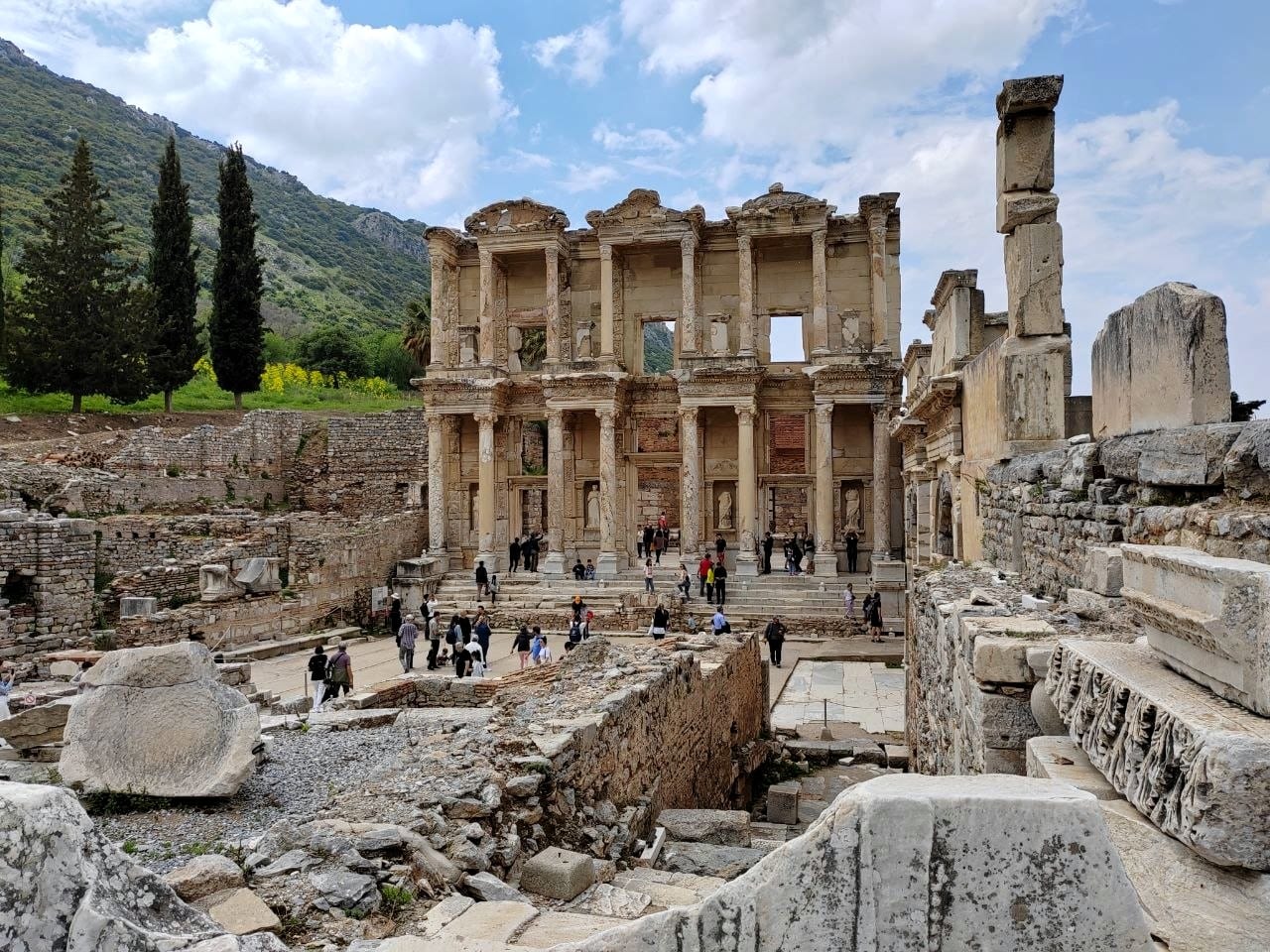
Ephesus Ancient City
Set in the valley between Mount Panayır and Mount Bülbül, with its marble streets, theater and library, one of the best-preserved ancient cities in Anatolia. A UNESCO World Heritage Site since 2015.
The year 431. Bishops are arriving in this city for one of the great councils of the Christian world.Listen to the rest in the app
A fish and a wild boar
According to an ancient tale, Androklos and his companions asked the oracle where to found their new city and were told that a fish and a wild boar would show them. As Androklos cooked, a fish leapt from the fire into the bushes, a startled boar burst out, and the city was founded where the boar was killed. That is legend; excavations show that settlement here goes back much further, to the Neolithic mounds of Çukuriçi and Arvalya. The people of Çukuriçi were part of a trade network that brought obsidian from the island of Melos, 400 kilometers away.
A harbor city that lost its sea
Today's city took shape in the early 3rd century BC, when Lysimachus moved it into the valley between the hills of Pion and Koressos. Ephesus was one of the most important cities of the Roman province of Asia, and most of its great buildings were built or rebuilt in the 1st and 2nd centuries AD. Yet its fate was decided by a river: silt from the Küçük Menderes slowly filled the harbor, and as the sea receded, trade faded. The earthquake of AD 262 and the Gothic raid that followed hastened the decline, and in the Middle Ages the settlement moved back to Ayasuluk Hill.
An excavation that never ends
The city's rediscovery began in 1863 with John Turtle Wood, a British architect who had come to work on the Aydın–İzmir railway and went searching for the lost Temple of Artemis. Systematic excavations led by the Austrian Archaeological Institute began in 1895, yet most of the city has remained underground. In 2015 Ephesus was inscribed on the UNESCO World Heritage List together with Çukuriçi Mound, Ayasuluk Hill, the Artemision and the House of the Virgin Mary.
Practical information
- Getting there: From İzmir, take the İZBAN commuter train to Selçuk station, then a minibus or taxi. By car, via the Selçuk–Kuşadası road.
- Admission: The Terrace Houses require a separate ticket. For current prices and MüzeKart validity, see the official website.
- Opening hours: daily 08:00–18:00; ticket office closes at 17:45. Hours vary by season; check the official website for current times.
- Night visits: summer season only, Wednesday to Saturday; check official sources before you go.
- Suggested time: 2.5–3 hours (3.5–4 hours with the Terrace Houses).
- Status: open.
Where

Inside this place
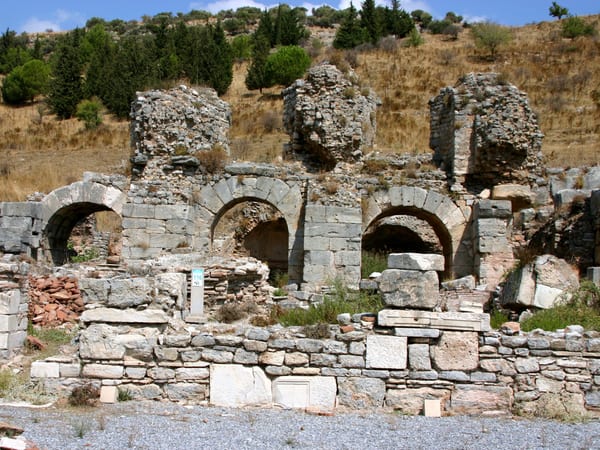 Upper BathsHistorical Place
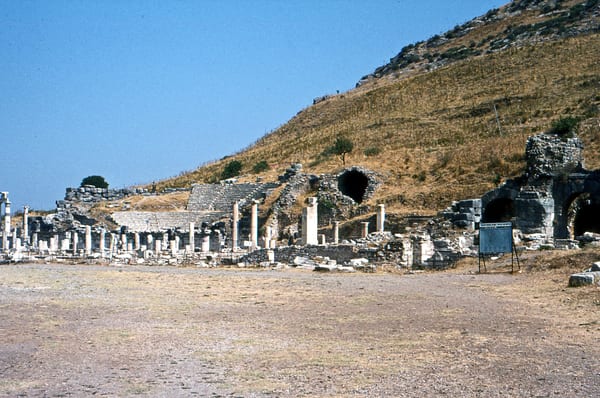 State AgoraHistorical Place
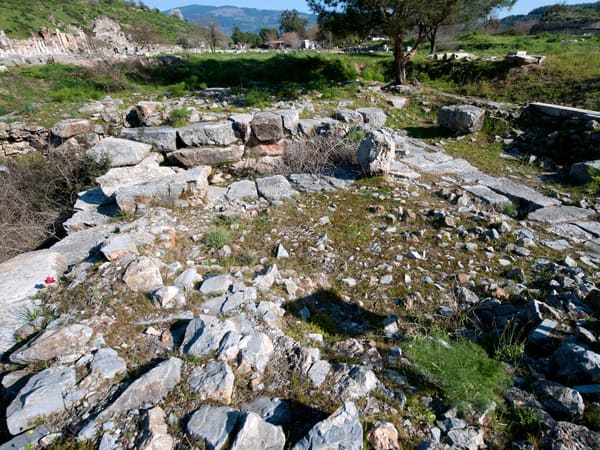 Temple on the State AgoraHistorical Place
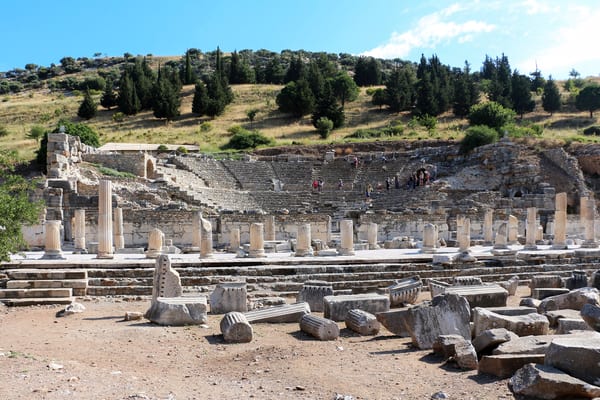 OdeonHistorical Place
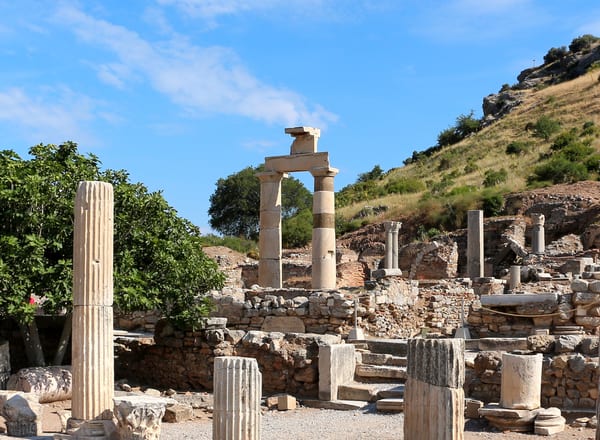 PrytaneionHistorical Place
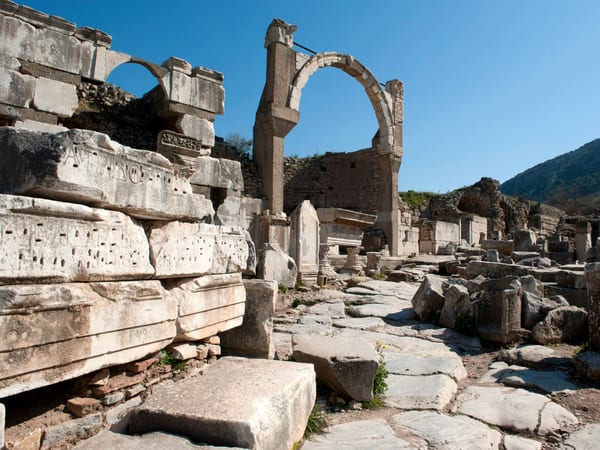 Fountain of PollioHistorical Place
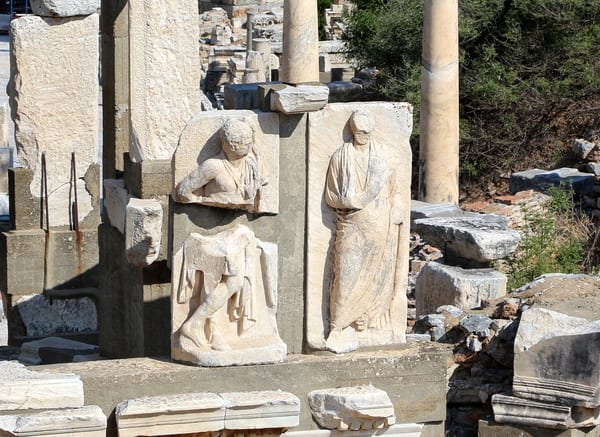 Memmius MonumentHistorical Place
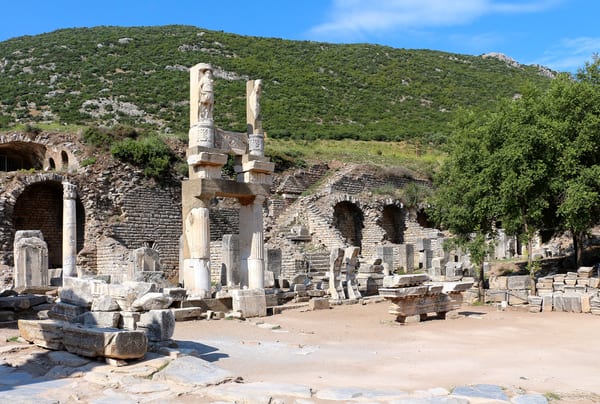 Temple of Domitian and its TerraceHistorical Place
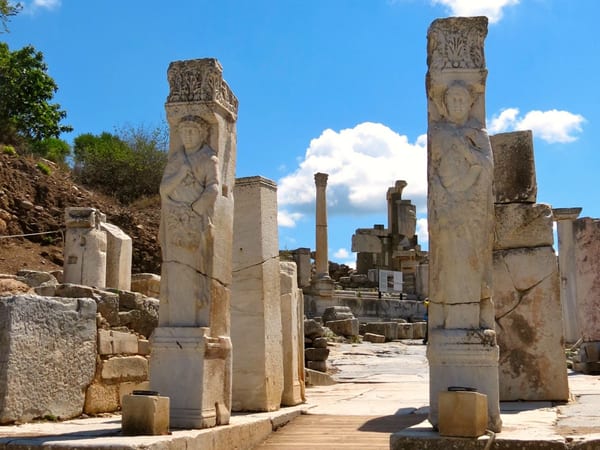 Gate of HeraclesHistorical Place
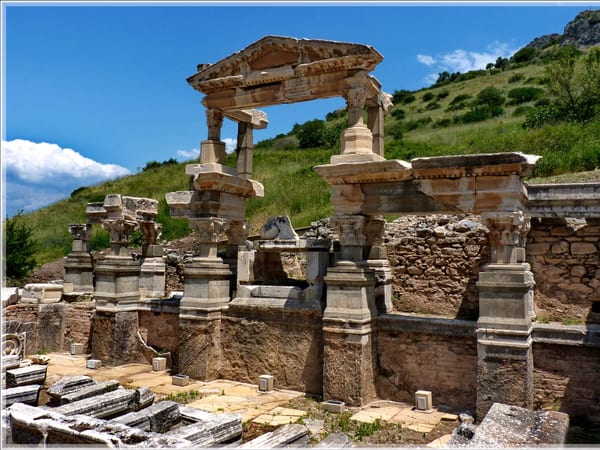 Fountain of TrajanHistorical Place
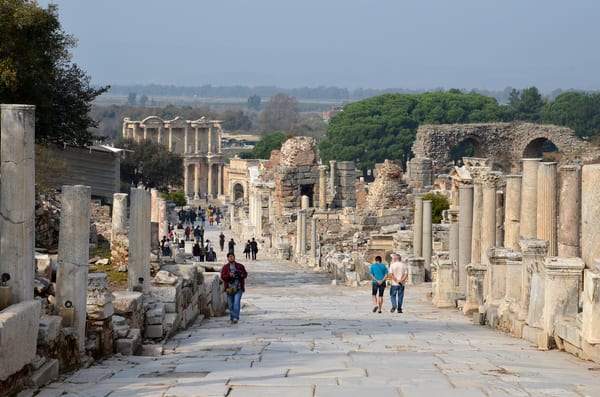 Curetes StreetHistorical Place
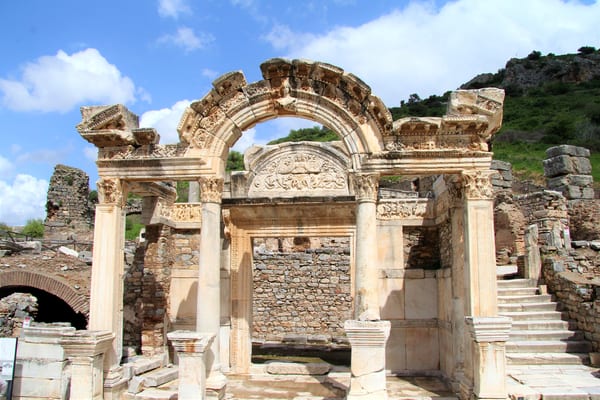 Temple of HadrianHistorical Place
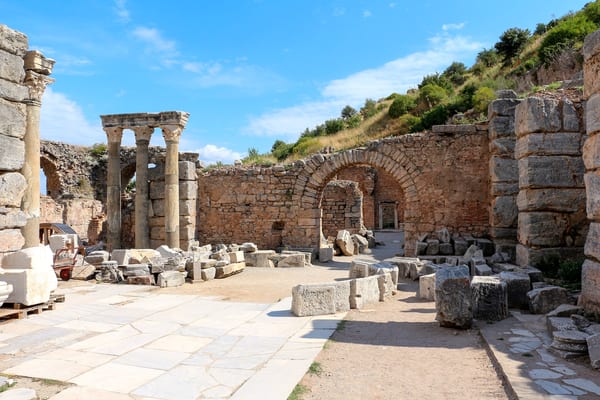 Baths of ScholasticaHistorical Place
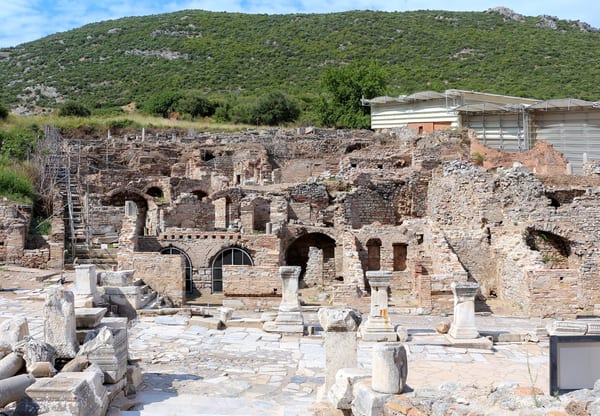 Terrace House 2Historical Place
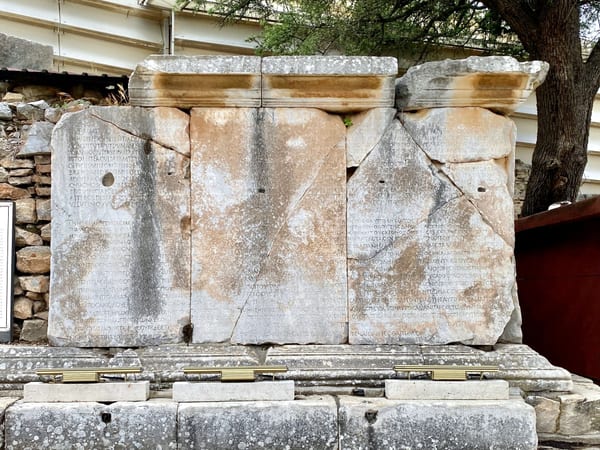 OctagonHistorical Place
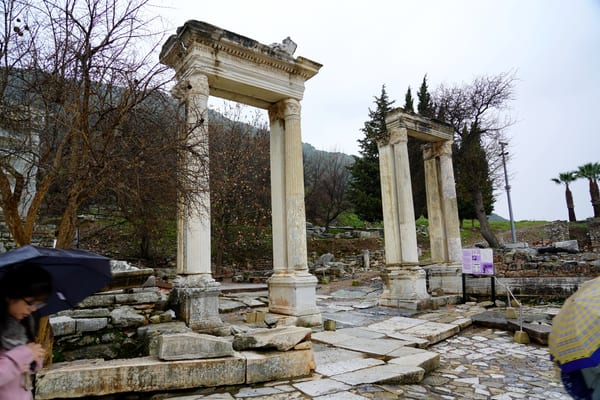 Gate of HadrianHistorical Place
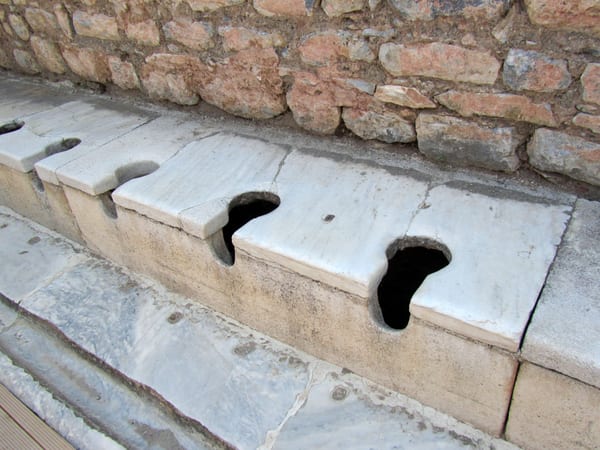 LatrineHistorical Place
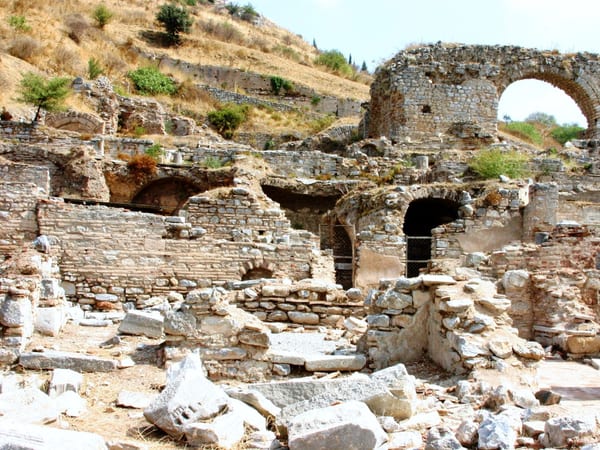 House of PleasureHistorical Place
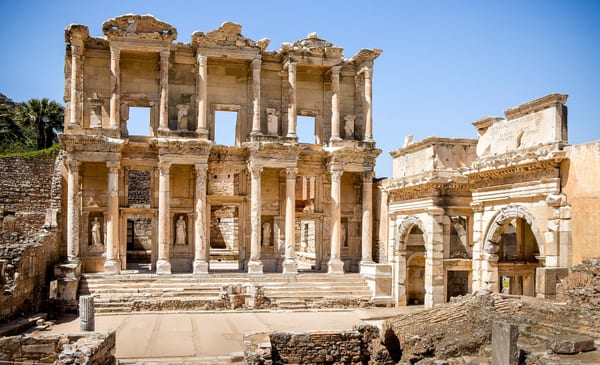 Library of CelsusHistorical Place
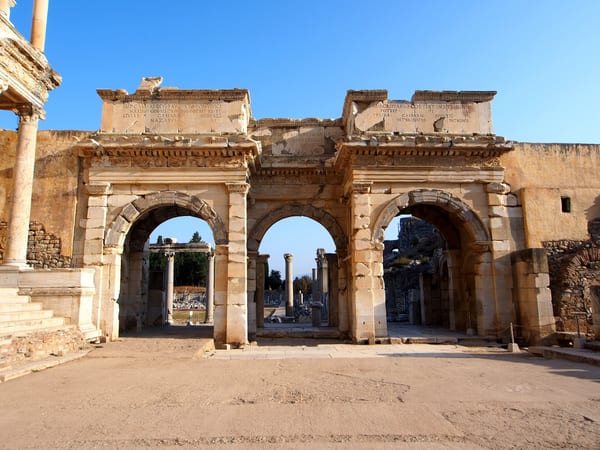 Gate of Mazeus and MithridatesHistorical Place
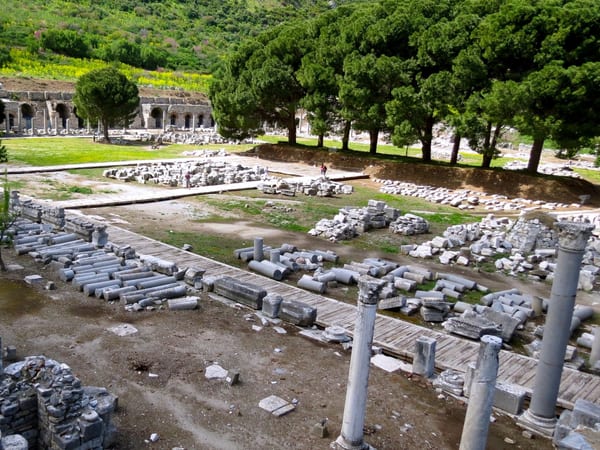 Tetragonos AgoraHistorical Place
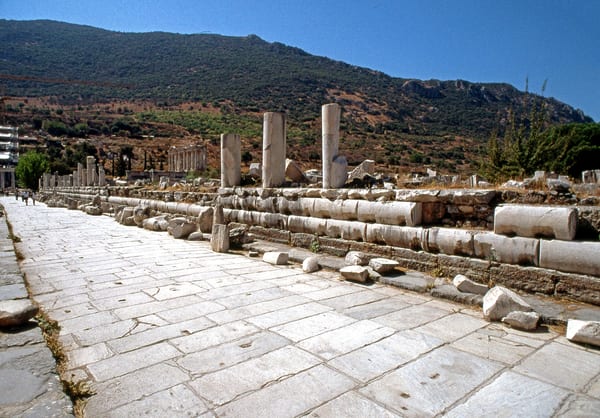 Marble StreetHistorical Place
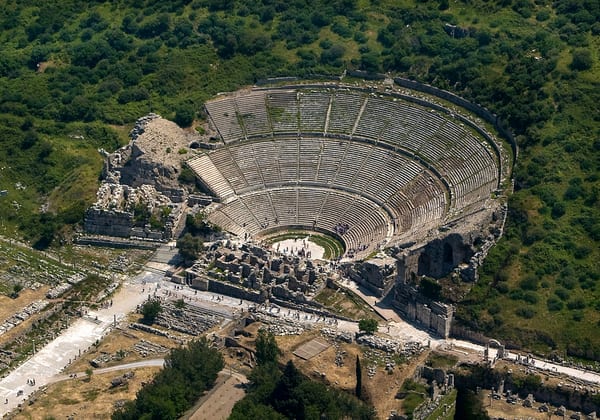 Great TheatreHistorical Place
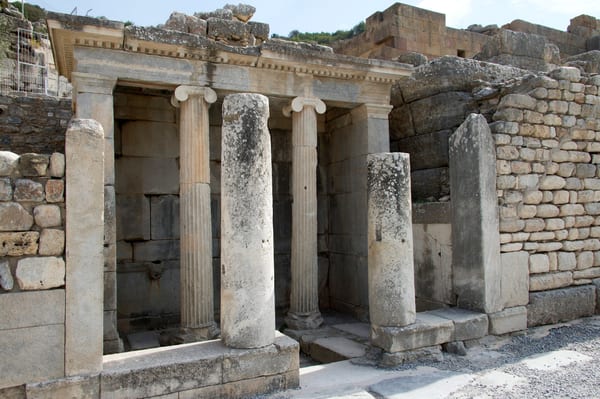 Hellenistic Fountain HouseHistorical Place
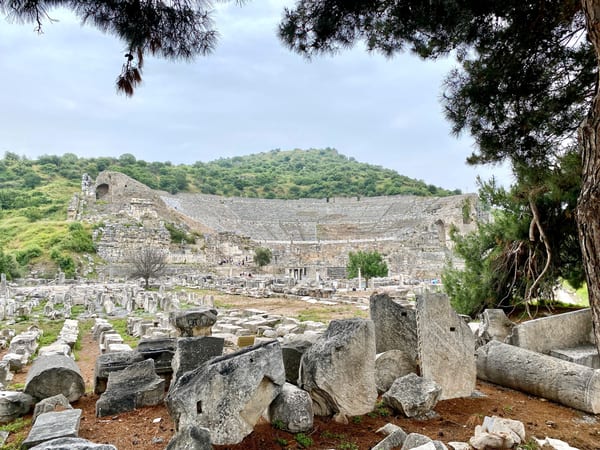 Theater GymnasiumHistorical Place
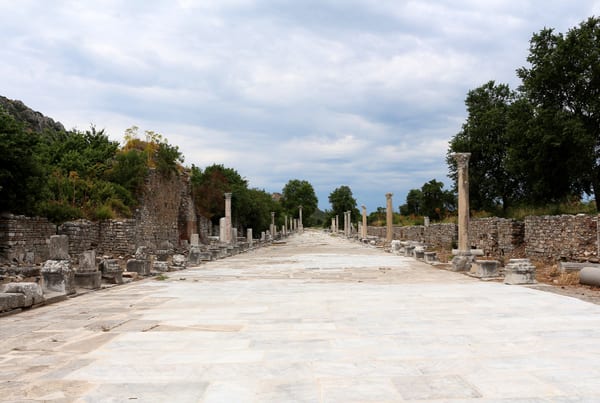 Arcadian WayHistorical Place
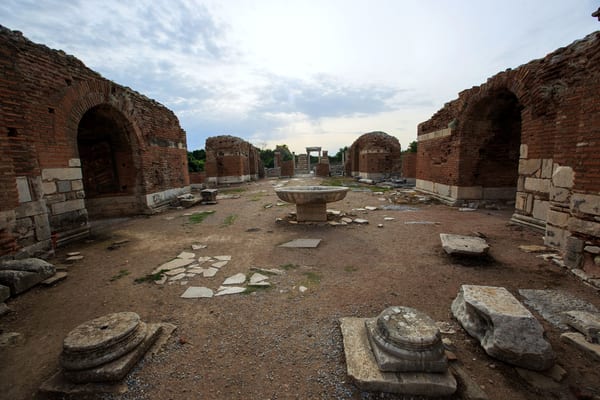 Church of MaryHistorical Place
Nearby places
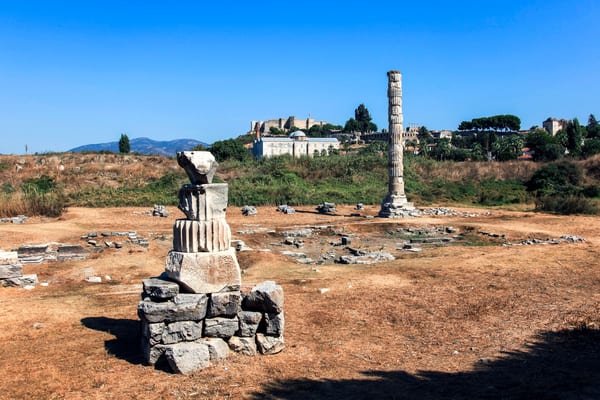 Temple of Artemis
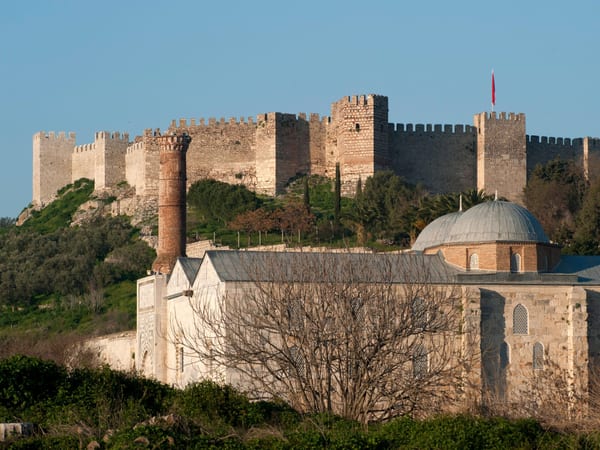 İsa Bey Mosque
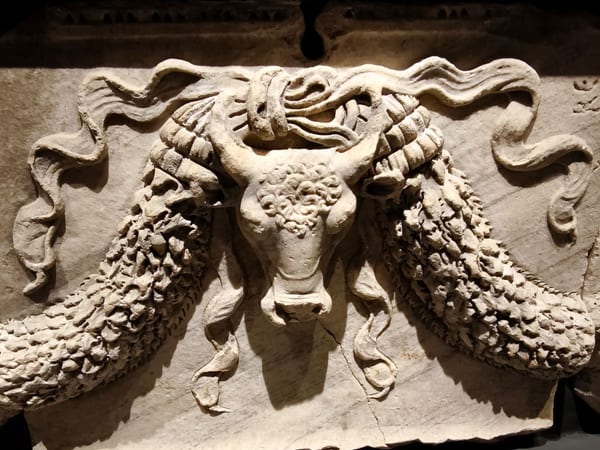 Ephesus Museum
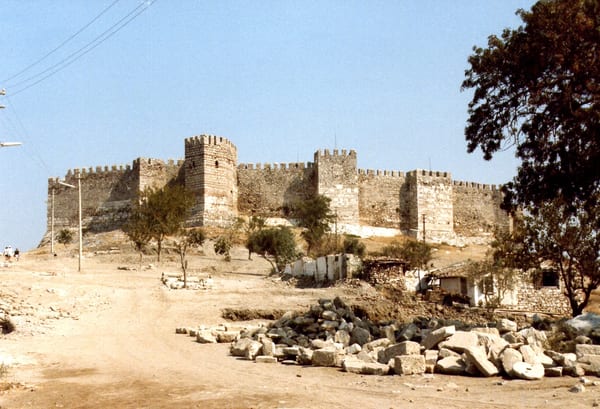 Ayasuluk Hill and the Basilica of St. John
Routes that include this place
Listen as you walk
Guide & Travel starts the story by itself when you reach the place, and it works offline too.
Photos (32)
- Upper Baths — Photo: José Luiz · CC BY-SA 3.0 · Wikimedia Commons (cropped)
- State Agora — Photo: Daniel VILLAFRUELA . · CC BY-SA 3.0 · Wikimedia Commons (colour corrected)
- Temple on the State Agora — Photo: Dosseman · CC BY-SA 4.0 · Wikimedia Commons (cropped)
- Odeon — Photo: Bernard Gagnon · CC BY-SA 3.0 · Wikimedia Commons (colour corrected)
- Prytaneion — Photo: Bernard Gagnon · CC BY-SA 3.0 · Wikimedia Commons (colour corrected)
- Fountain of Pollio — Photo: Dosseman · CC BY-SA 4.0 · Wikimedia Commons (cropped)
- Memmius Monument — Photo: Bernard Gagnon · CC BY-SA 3.0 · Wikimedia Commons (colour corrected)
- Temple of Domitian and its Terrace — Photo: Bernard Gagnon · CC BY-SA 3.0 · Wikimedia Commons (colour corrected)
- Gate of Heracles — Photo: Erik Cleves Kristensen · CC BY 2.0 · Wikimedia Commons (cropped)
- Fountain of Trajan — Photo: patano · CC BY-SA 3.0 · Wikimedia Commons (cropped)
- Curetes Street — Photo: shankar s. from Dubai, united arab emirates · CC BY 2.0 · Wikimedia Commons (colour corrected)
- Temple of Hadrian — Photo: Rabe! · CC BY-SA 4.0 · Wikimedia Commons (colour corrected)
- Baths of Scholastica — Photo: Bernard Gagnon · CC BY-SA 3.0 · Wikimedia Commons (edited)
- Terrace House 2 — Photo: Bernard Gagnon · CC BY-SA 3.0 · Wikimedia Commons (edited)
- Octagon — Photo: Warren LeMay from Chicago, IL, United States · CC BY-SA 2.0 · Wikimedia Commons (cropped)
- Gate of Hadrian — Photo: Ray Swi-hymn from Sijhih-Taipei, Taiwan · CC BY-SA 2.0 · Wikimedia Commons (colour corrected)
- Latrine — Photo: Vadim Indeikin · CC BY-SA 3.0 · Wikimedia Commons (colour corrected)
- House of Pleasure — Photo: José Luiz · CC BY-SA 3.0 · Wikimedia Commons (cropped)
- Library of Celsus — Photo: Herbert Weber · CC BY-SA 4.0 · Wikimedia Commons (colour corrected)
- Gate of Mazeus and Mithridates — Photo: rheins · CC BY 3.0 · Wikimedia Commons (colour corrected)
- Tetragonos Agora — Photo: Erik Cleves Kristensen · CC BY 2.0 · Wikimedia Commons (cropped)
- Marble Street — Photo: Dosseman · CC BY-SA 4.0 · Wikimedia Commons (colour corrected)
- Great Theatre — Photo: Austrian Archaeological Institute · CC BY-SA 3.0 · Wikimedia Commons (edited)
- Hellenistic Fountain House — Photo: Dosseman · CC BY-SA 4.0 · Wikimedia Commons (colour corrected)
- Theater Gymnasium — Photo: Warren LeMay from Chicago, IL, United States · CC BY-SA 2.0 · Wikimedia Commons (colour corrected)
- Arcadian Way — Photo: Bernard Gagnon · CC BY-SA 3.0 · Wikimedia Commons (colour corrected)
- Church of Mary — Photo: Marmaracalypso · CC BY-SA 4.0 · Wikimedia Commons (edited)
- Temple of Artemis — Photo: Roy Egloff · CC BY-SA 4.0 · Wikimedia Commons (colour corrected)
- İsa Bey Mosque — Photo: Dosseman · CC BY-SA 4.0 · Wikimedia Commons (cropped)
- Ephesus Museum — Photo: Ozlmktv · CC BY-SA 4.0 · Wikimedia Commons (cropped)
- Ayasuluk Hill and the Basilica of St. John — Photo: Klaus-Peter Simon · CC BY 3.0 · Wikimedia Commons (edited)
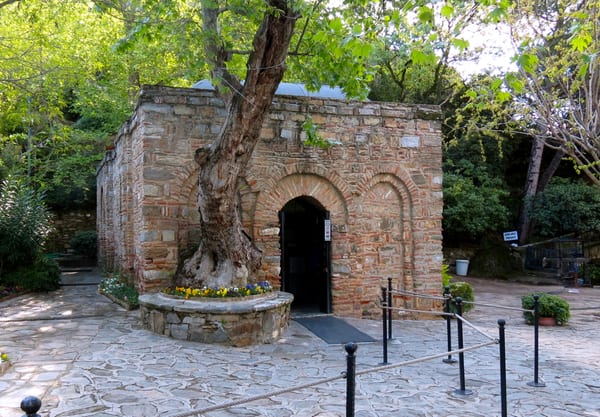
- House of the Virgin Mary — Photo: Erik Cleves Kristensen · CC BY 2.0 · Wikimedia Commons (edited)


