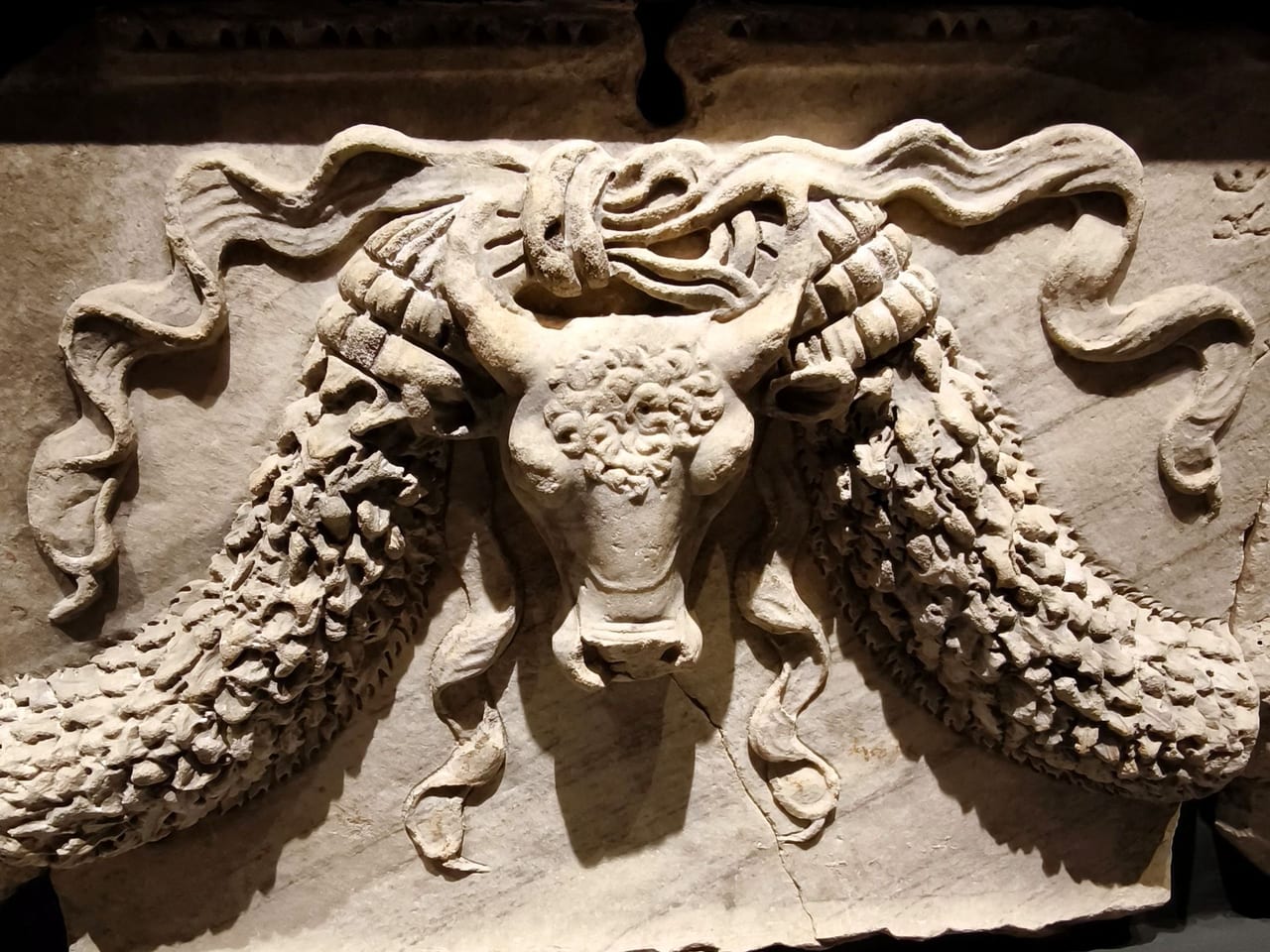
Ephesus Museum
The museum in Selçuk displays sculptures, coins and everyday objects from Ephesus and the surrounding excavations, arranged by theme.
What could these rows of rounded forms on a goddess's chest mean? It is the question that comes to mind by itself on seeing Artemis of Ephesus.Listen to the rest in the app
What went to Vienna, what stayed here
Some finds from the first great excavations at Ephesus went to Vienna, where they are shown today in a museum's Ephesus section. A decision in 1906 changed this: from then on all finds stayed in Türkiye, to be shown at the Ephesus Museum in Selçuk. The museum holds more than 60,000 registered objects, most of them coins, and is counted among the most important local museums in Türkiye. The objects on display range from prehistory through the Mycenaean, Archaic, Classical, Hellenistic, Roman and Byzantine periods to the Seljuk and Ottoman eras.
A museum that excavates
The museum did more than keep objects; for years its own archaeologists also ran excavations. The museum began the first excavations and repairs at the castle on Ayasuluk Hill in 1960, and it carried on the excavations at the Basilica of St. John and on the hill from 1974 to 2007. The restoration of the Bouleuterion at Ephesus between 1970 and 1990 was also the museum's work. Many objects in its cases began their story at these sites a few kilometers away.
A city by theme
The museum arranges its objects by theme and find group rather than by period: after the introductory hall come finds from the city's fountains and the Terrace Houses, coins, the "Ephesus Through the Ages" section telling the city's history period by period, and the inner garden; then sections devoted to the cult of Cybele, finds from the Temple of Artemis, Artemis of Ephesus and the cult ceremonies for the emperors. The objects come not only from Ephesus but also from Çukuriçi Mound, the Artemision, the Church of St. John, the castle on Ayasuluk Hill and the Belevi Mausoleum. A visit before or after Ephesus helps you mentally fill the empty pedestals and niches at the site.
Practical information
- Getting there: In the center of Selçuk: Atatürk Mahallesi, Uğur Mumcu Sevgi Yolu No: 26.
- Admission: For current prices and MüzeKart validity, see the official website.
- Opening hours: daily 08:30–17:30; ticket office closes at 17:00. Hours vary by season; check the official website for current times.
- Suggested time: 1–1.5 hours.
- Status: open.
Where
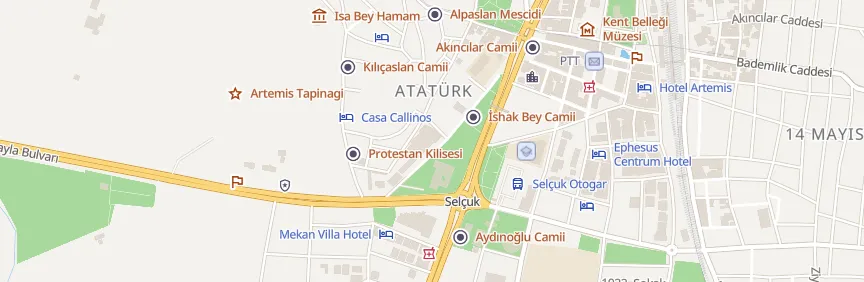
Nearby places
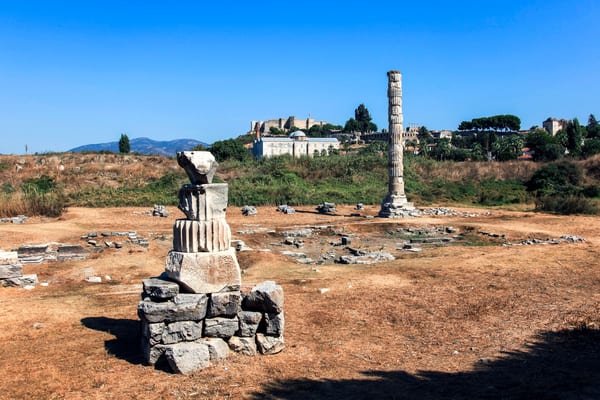 Temple of Artemis
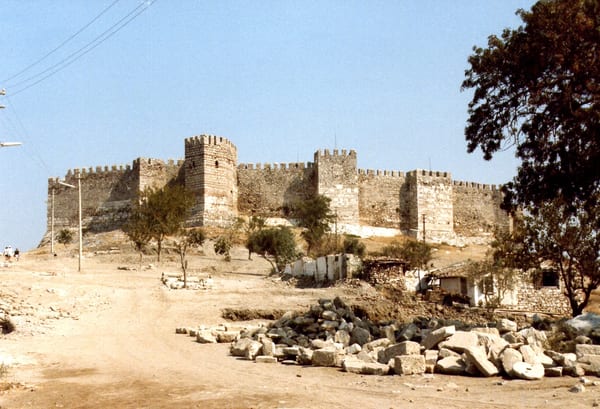 Ayasuluk Hill and the Basilica of St. John
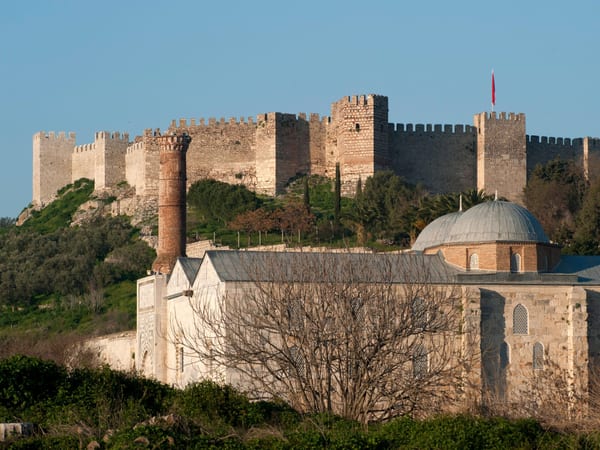 İsa Bey Mosque
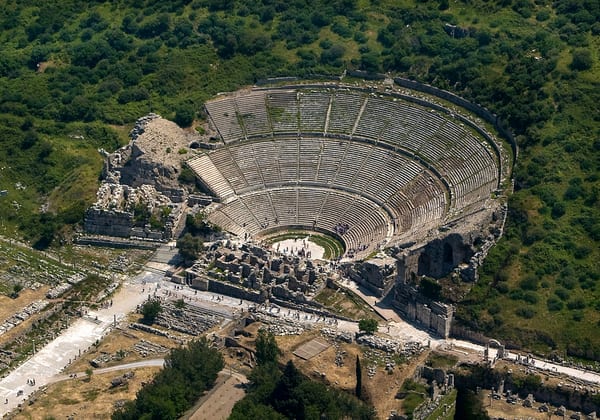 Great Theatre

Listen as you walk
Guide & Travel starts the story by itself when you reach the place, and it works offline too.
Photos (4)
- Temple of Artemis — Photo: Roy Egloff · CC BY-SA 4.0 · Wikimedia Commons (colour corrected)
- Ayasuluk Hill and the Basilica of St. John — Photo: Klaus-Peter Simon · CC BY 3.0 · Wikimedia Commons (edited)
- İsa Bey Mosque — Photo: Dosseman · CC BY-SA 4.0 · Wikimedia Commons (cropped)
- Great Theatre — Photo: Austrian Archaeological Institute · CC BY-SA 3.0 · Wikimedia Commons (edited)


