Temple of Artemis
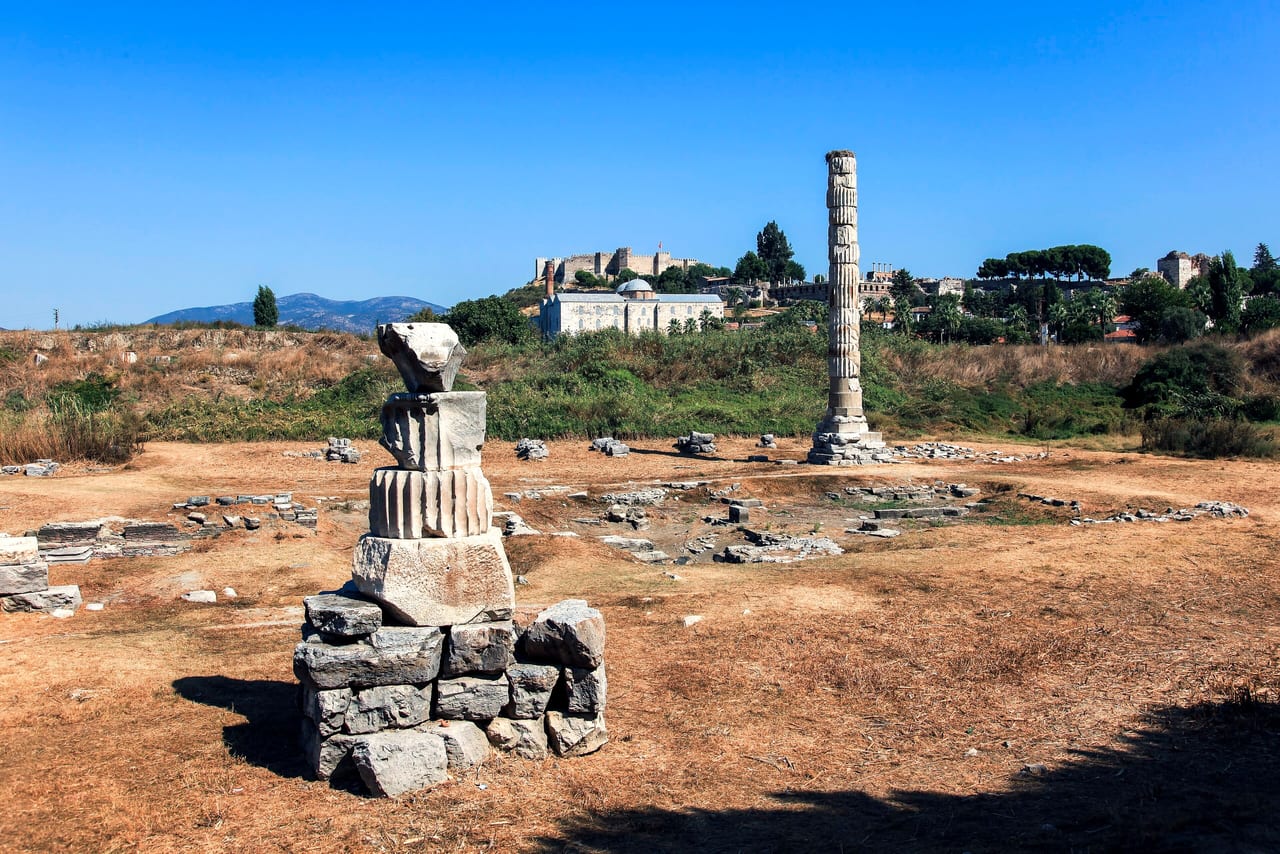
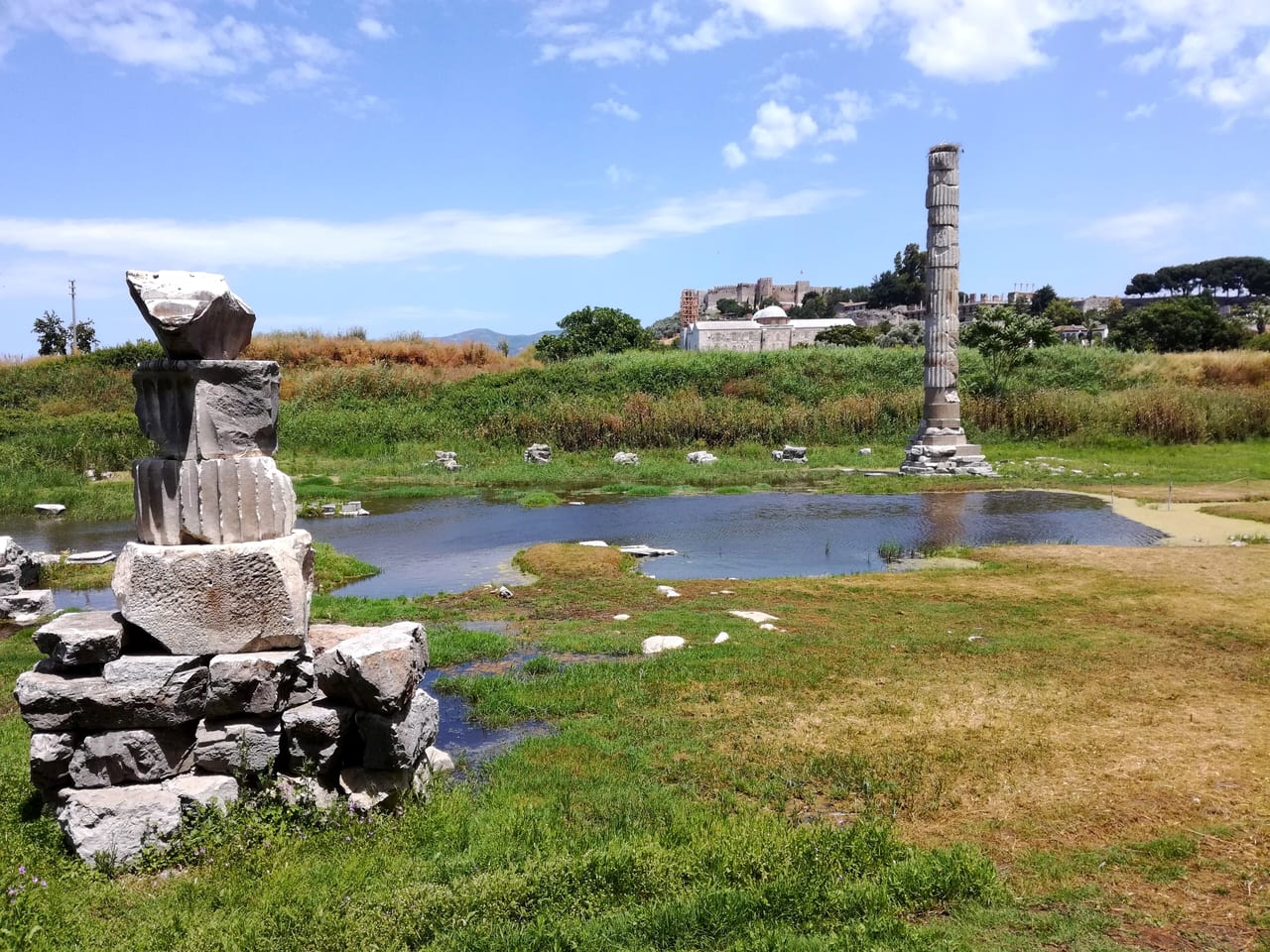
The site of the Temple of Artemis at Ephesus, one of the Seven Wonders of the ancient world: a single column and the remains of foundations at the foot of Ayasuluk Hill.
What remains of one of the Seven Wonders of the World? Here, the answer is a single column, and even that column is not really one piece.Listen to the rest in the app
A wonder rising from the plain
The temple of Artemis, goddess of Ephesus, stood apart from the city, on the plain south of Ayasuluk Hill. The excavator Anton Bammer dates its first phase to the 8th century BC: a small naos ringed by columns, considered the world's first peripteral temple. It was destroyed many times over the centuries and always rebuilt on the same spot, larger each time. Because the ground was soft and marshy, the architects set it on a thick, deep foundation, counted among the most skillful technical feats of its age.
The first giant in marble
Begun in 560 BC to plans by Theodorus of Samos and by Chersiphron of Crete and his son Metagenes, the Archaic temple was the first monumental building in marble, and King Croesus of Lydia contributed to it. In 356 BC, on the night Alexander the Great was born, Herostratus set it on fire to make his name immortal. The Ephesians executed him and banned his name, but the ban failed to erase it. The Late Classical temple that replaced it, one of the Seven Wonders, was designed by Paeonius, Demetrius and Cheirocrates.
The end of a wonder
This last temple had 127 columns, 36 of them on its front carved with reliefs, and it is estimated to have been about 105 meters long, 55 wide and 25 high. It was burned and wrecked for the last time in a Gothic raid in AD 262 and was not rebuilt in Christian times. In 1869 John Turtle Wood, working for the British Museum, found the site and took some of its sculptures and architectural pieces to London. In 1904 a team from the same museum under Hogarth showed that five temples had been built here, one above another.
Practical information
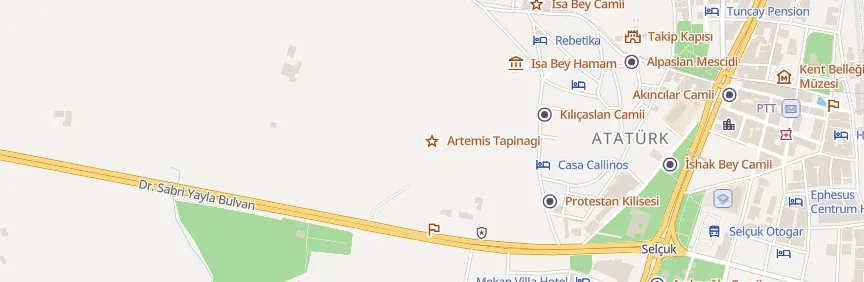
- Getting there: At the start of the Kuşadası road, as you head from the center of Selçuk toward Ephesus.
- Admission: For current prices and MüzeKart validity, see the official website.
- Suggested time: 20–30 minutes.
- Status: open.
Where
Nearby places
 İsa Bey Mosque
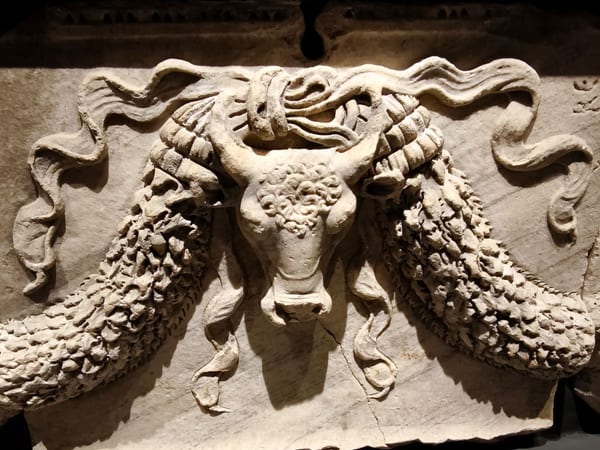 Ephesus Museum
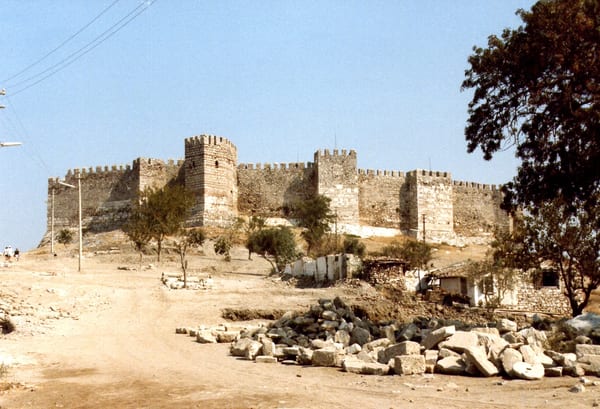 Ayasuluk Hill and the Basilica of St. John
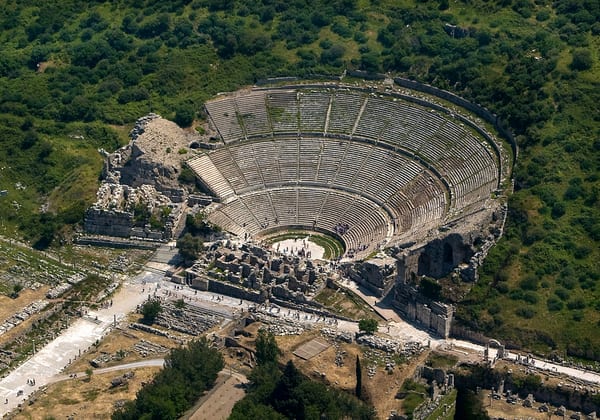 Great Theatre

Routes that include this place
Listen as you walk
Guide & Travel starts the story by itself when you reach the place, and it works offline too.
Photos (5)
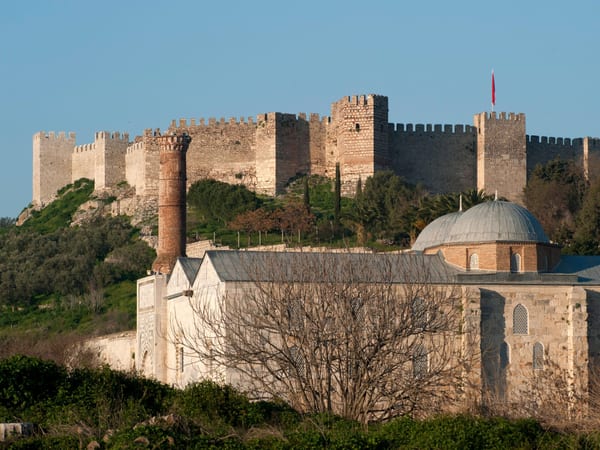
- İsa Bey Mosque — Photo: Dosseman · CC BY-SA 4.0 · Wikimedia Commons (cropped)
- Ephesus Museum — Photo: Ozlmktv · CC BY-SA 4.0 · Wikimedia Commons (cropped)
- Ayasuluk Hill and the Basilica of St. John — Photo: Klaus-Peter Simon · CC BY 3.0 · Wikimedia Commons (edited)
- Great Theatre — Photo: Austrian Archaeological Institute · CC BY-SA 3.0 · Wikimedia Commons (edited)
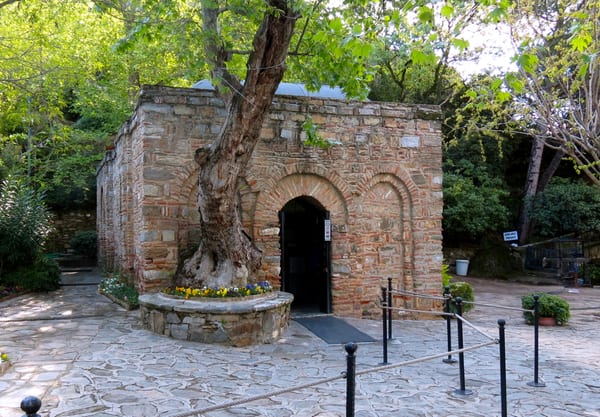
- House of the Virgin Mary — Photo: Erik Cleves Kristensen · CC BY 2.0 · Wikimedia Commons (edited)


