Ayasuluk Hill and the Basilica of St. John
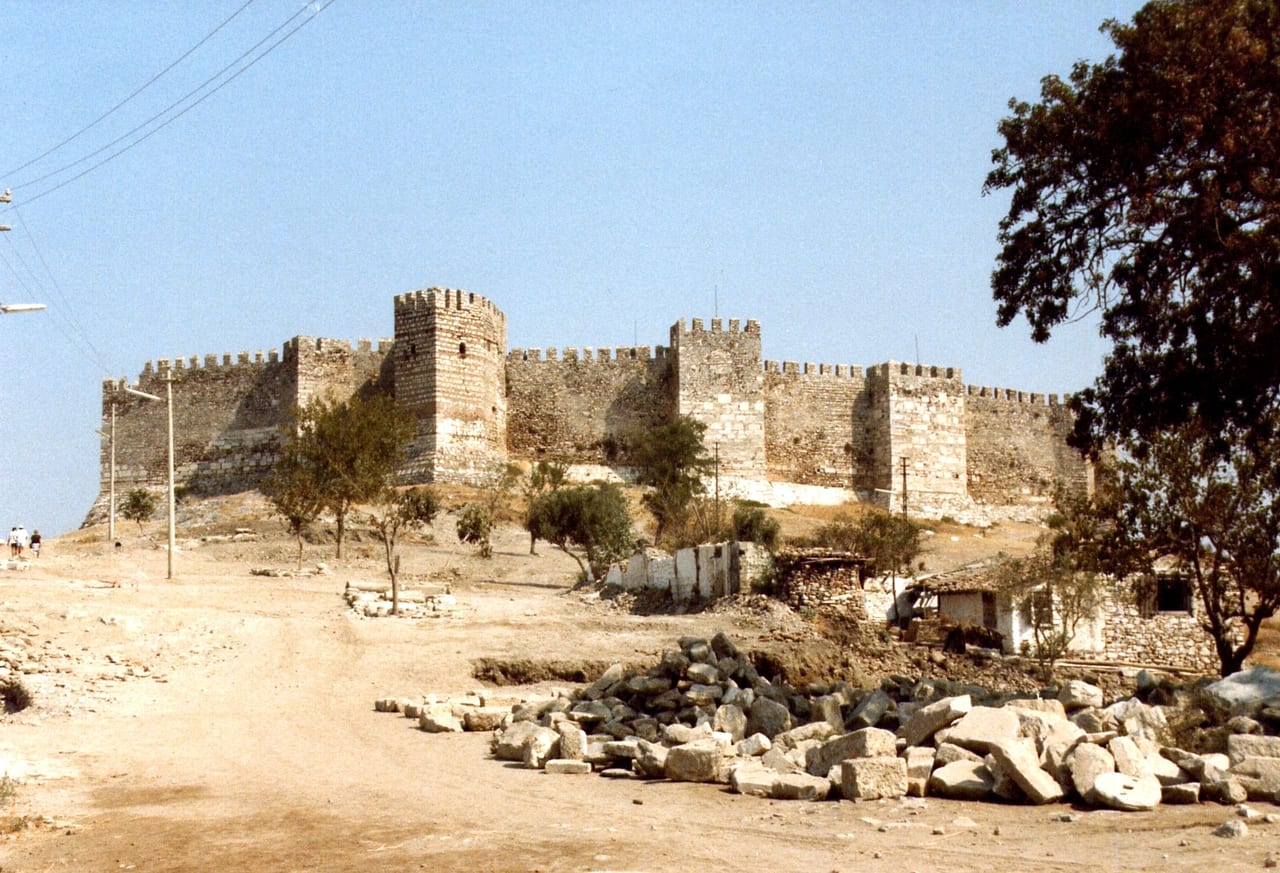
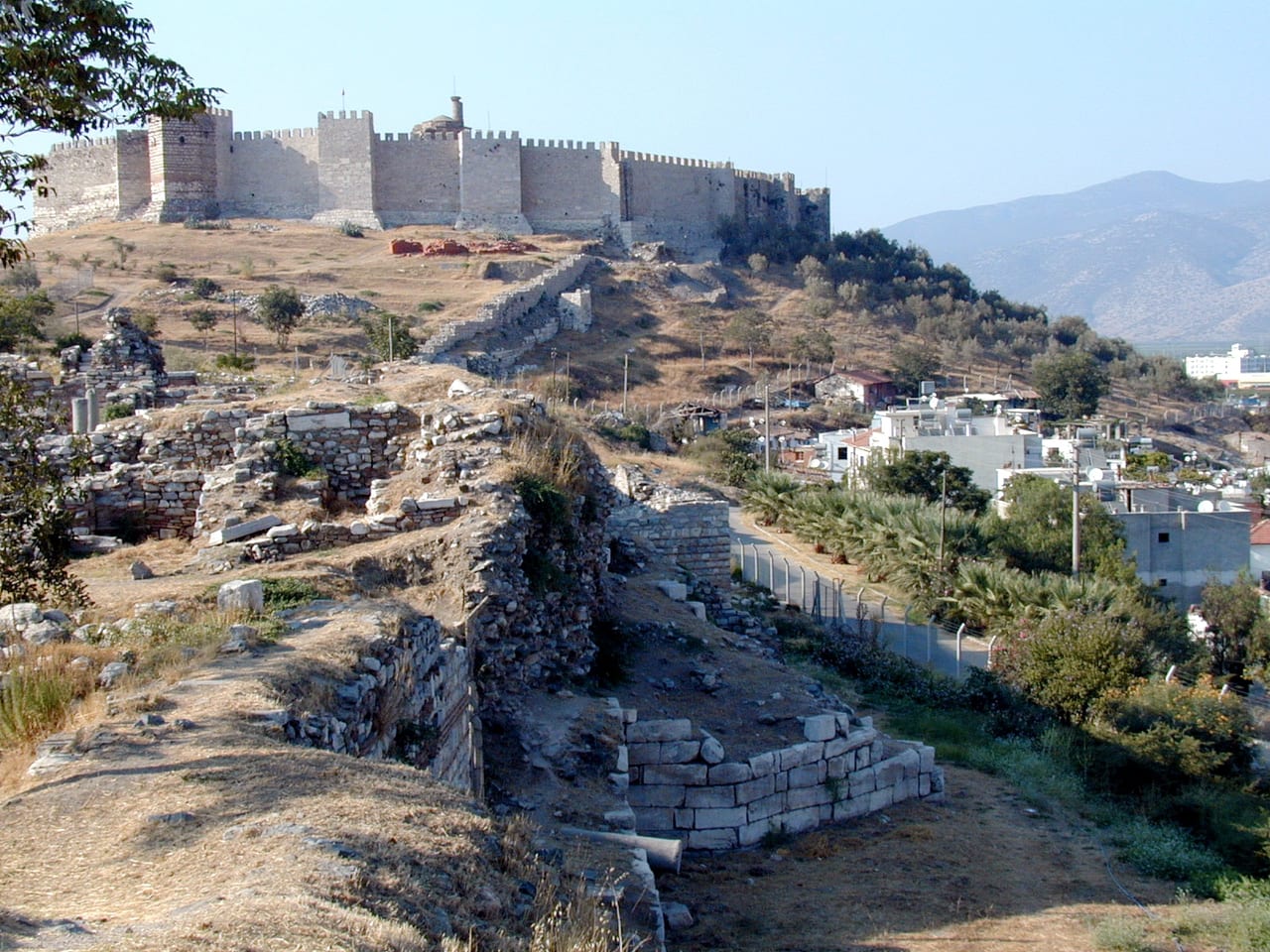
On the hill above Selçuk rise the remains of the huge basilica built over the tomb of St. John, and the castle that surrounds it.
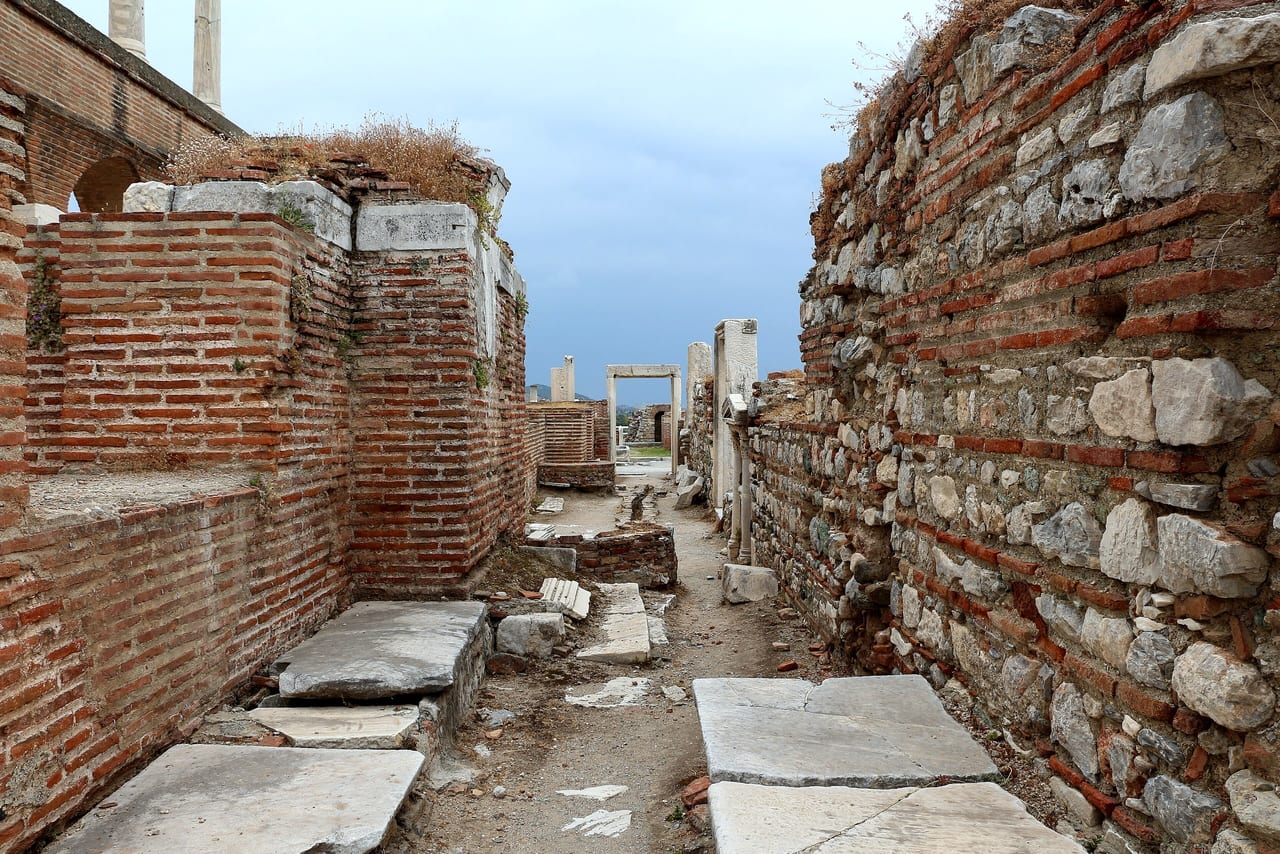
In the middle of the 6th century, the builders of Emperor Justinian were laying the foundations of a huge church, around a tomb on this hill.Listen to the rest in the app
Before Ephesus, after Ephesus
Ayasuluk Hill is one of the oldest settlements in the region: the earliest building level found in excavation dates to the Middle Bronze Age, and a seal found in 2000 led to the suggestion that Apasa, capital of the kingdom of Arzawa–Mira in the Hittite period, may have stood on this hill. When ancient Ephesus lost its importance after the 6th century, the settlement moved back to this hill. The hill's name is thought to be the Turkish form of Hagios Theologos, St. John's title in Greek.
An imperial church over a tomb
According to Christian tradition, John the Evangelist died in Ephesus and, as he had wished, was buried on this hill; a small church was first built over his tomb. In the mid-6th century Emperor Justinian replaced it with a monumental, cross-shaped, domed basilica; considered the largest basilica of the Early Christian period, it was 130 meters long with its atrium. The walls around the church and the hill had 20 towers and four entrances. The best preserved is the Gate of Persecution to the south, and the walls reuse stones brought from Ephesus and the Temple of Artemis. The church was an important pilgrimage center throughout the Byzantine era, and it is regarded as an impressive example of a pilgrimage site built with the religious and political power of the empire.
The capital of an emirate
After 1304 the area passed to the Turks, and in 1348 the seat of the Aydınid emirate moved to Ayasuluk; at that time the whole population lived inside the castle. The İsa Bey Mosque, west of the basilica, was built in 1375 according to its inscription, also with columns brought from Ephesus and the Temple of Artemis. The Mongol attack of 1402 did not end the settlement; Ayasuluk became Ottoman territory in 1425.
Practical information
- Getting there: On the hill north of the center of Selçuk; on foot from the center.
- Admission: The St. John site and Ayasuluk Castle have separate entrances. For current prices and MüzeKart validity, see the official website.
- Opening hours: St. John daily 08:00–18:00, ticket office closes at 17:30; Ayasuluk Castle daily 09:00–16:30, ticket office closes at 16:00. Hours vary by season; check the official website for current times.
- Suggested time: 1 hour.
- Status: open.
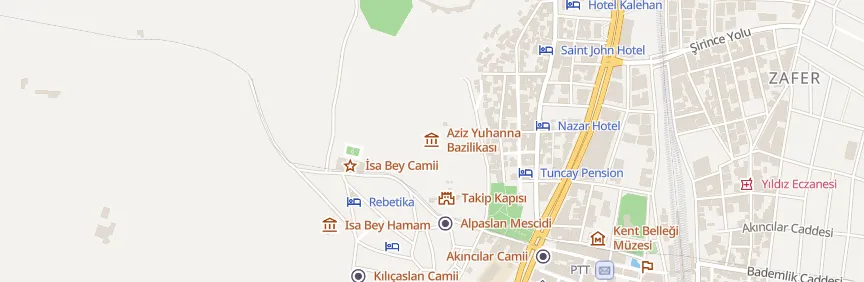
Where
Nearby places
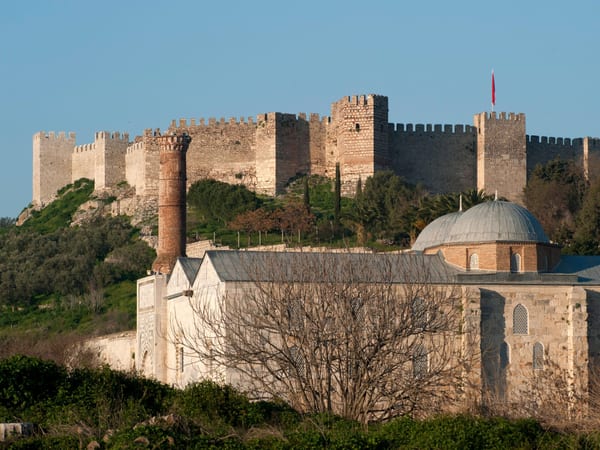 İsa Bey Mosque
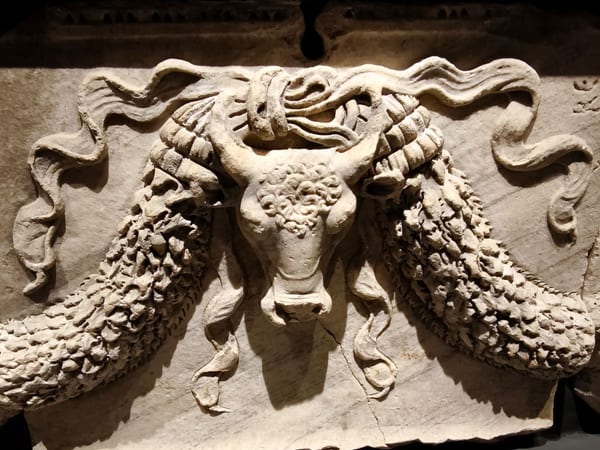 Ephesus Museum
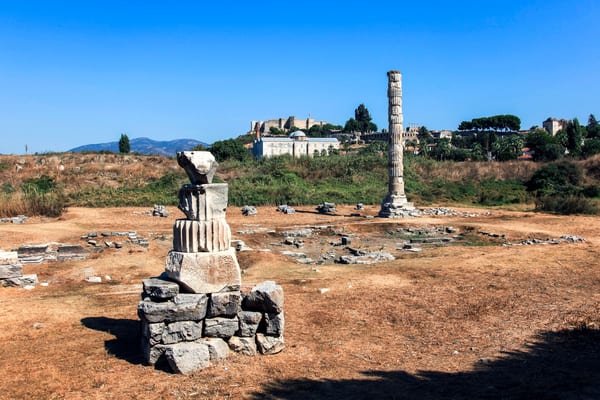 Temple of Artemis
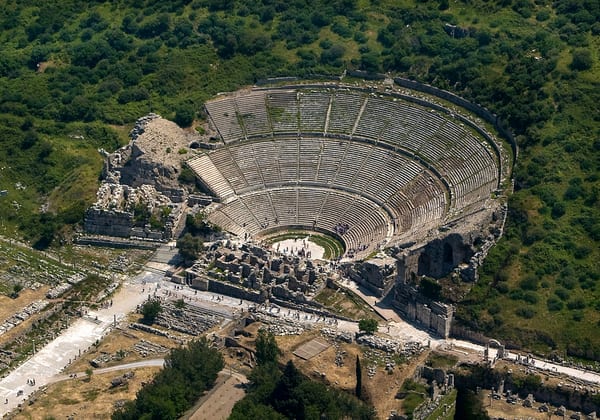 Great Theatre

Listen as you walk
Guide & Travel starts the story by itself when you reach the place, and it works offline too.
Photos (4)
- İsa Bey Mosque — Photo: Dosseman · CC BY-SA 4.0 · Wikimedia Commons (cropped)
- Ephesus Museum — Photo: Ozlmktv · CC BY-SA 4.0 · Wikimedia Commons (cropped)
- Temple of Artemis — Photo: Roy Egloff · CC BY-SA 4.0 · Wikimedia Commons (colour corrected)
- Great Theatre — Photo: Austrian Archaeological Institute · CC BY-SA 3.0 · Wikimedia Commons (edited)


