Omphalion
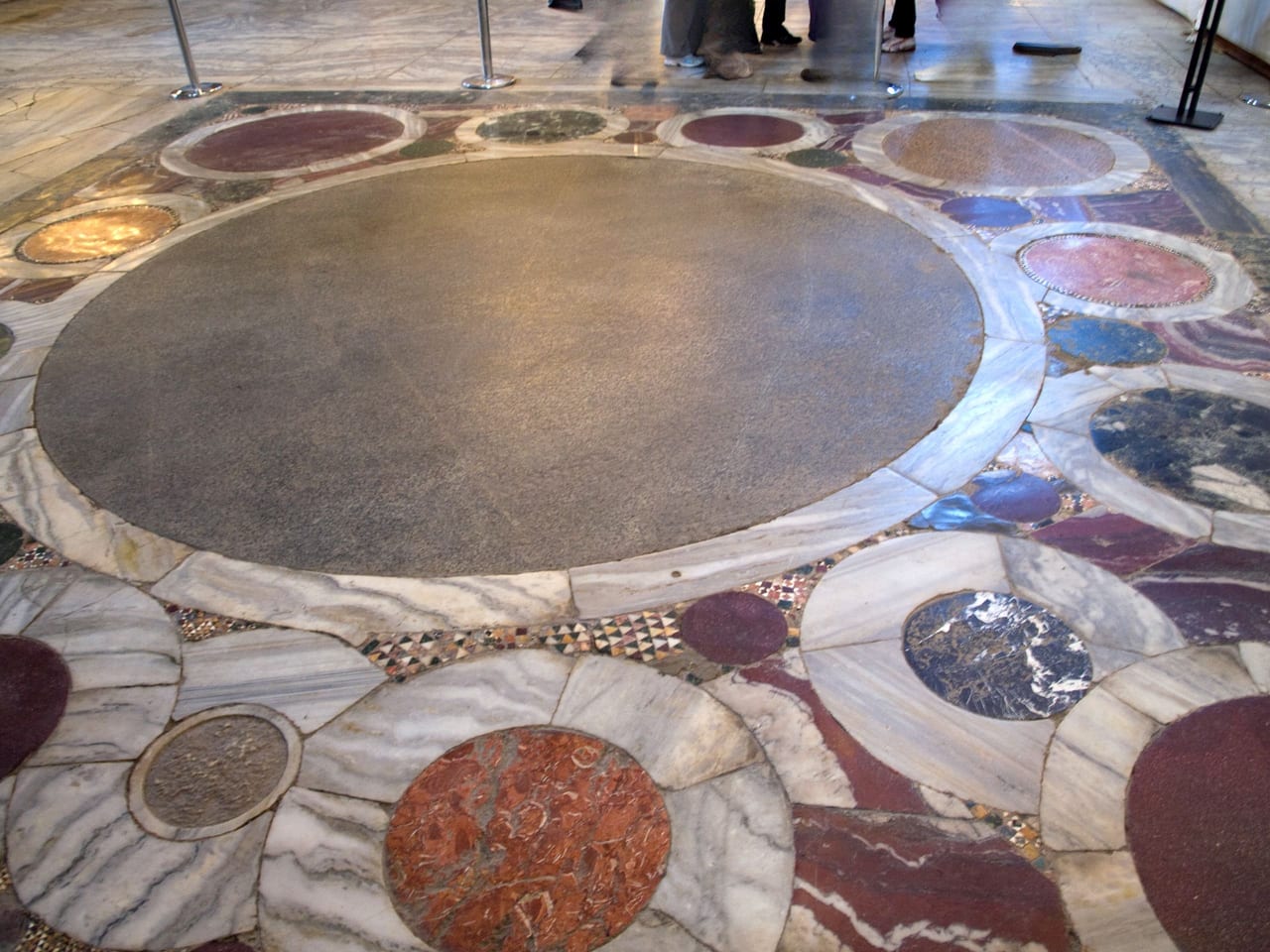
The floor of Hagia Sophia's main hall inlaid with circles of colored stone: the Omphalion, where Byzantine emperors were crowned.
A coronation day. Beneath the dome, courtiers and clergy have gathered, and up in the gallery the empress has taken her place.Listen to the rest in the app
The Omphalion is a group of circles of colored stone set into the floor in the southeastern part of Hagia Sophia's main hall; its name comes from the Greek word omphalos, meaning "navel." A large circle lies at the center, with smaller circles arranged around it. The coronation of Byzantine emperors took place here. The custom of an emperor receiving his crown from the patriarch began in the middle of the 5th century and soon became a rule; once Hagia Sophia was built, the ceremony moved here. The emperor's throne stood on the large central circle; the twelve circles around it are thought to stand for the twelve apostles. The present stone floor dates from the 11th century; the throne had two parts, the emperor sitting on one while the other held the Gospel, representing Christ, who was believed to grant the power to rule; the marks of the throne's legs can still be made out on the floor. The Crusaders who took the city in 1204 also crowned their Latin emperors in Hagia Sophia. The last emperor, Constantine XI, is the only Byzantine ruler for whom no formal coronation was held in the capital.
Practical information
- Visit: Hagia Sophia is a mosque. Since 2024, tourist visitors have entered by a separate entrance to the upper gallery, while the ground floor is the prayer area; the Omphalion is seen by looking down from the gallery. Check the official website for current arrangements before you go.
- Suggested time: 5 minutes.
Where
Nearby places
 Deesis and Imperial Mosaics
 West Gallery and Marble Door
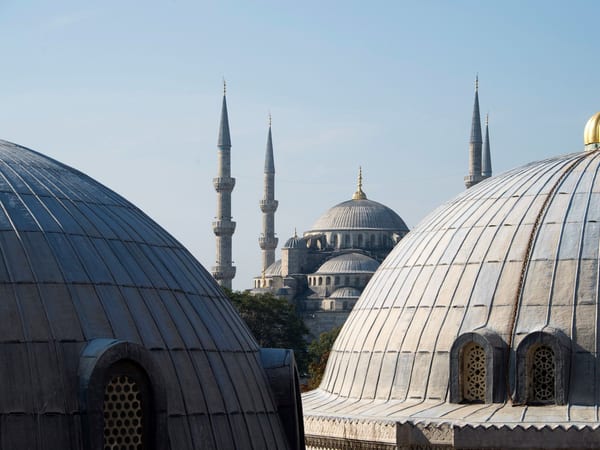 Tombs of the Sultans at Hagia Sophia
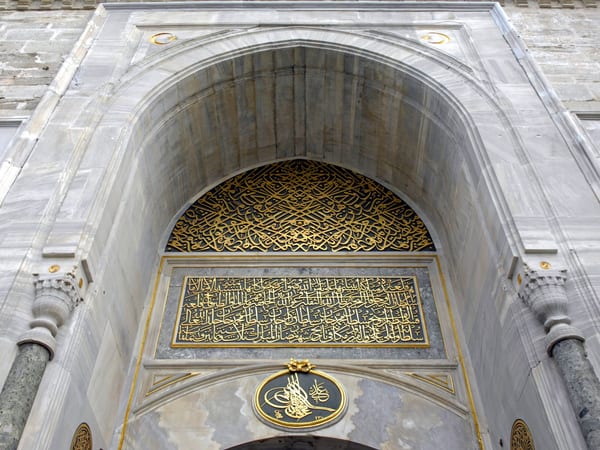 Imperial Gate

Routes that include this place
Listen as you walk
Guide & Travel starts the story by itself when you reach the place, and it works offline too.
Photos (5)
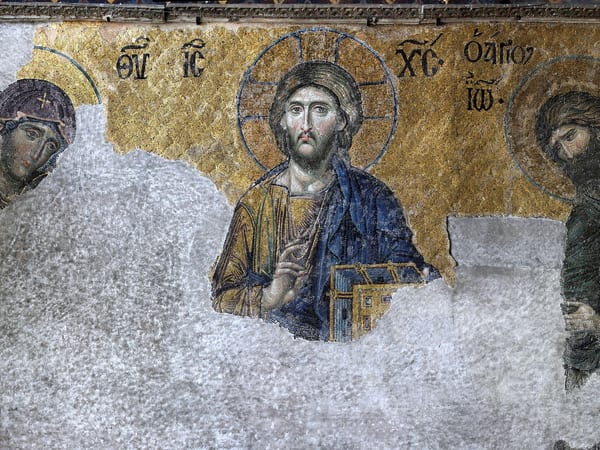
- Deesis and Imperial Mosaics — Photo: Till Niermann · CC BY-SA 3.0 · Wikimedia Commons (cropped)
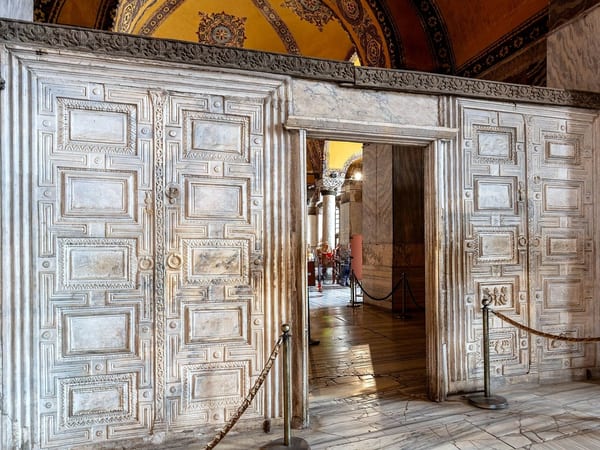
- West Gallery and Marble Door — Photo: Diego Delso · CC BY-SA 4.0 · Wikimedia Commons (edited)
- Tombs of the Sultans at Hagia Sophia — Photo: Dosseman · CC BY-SA 4.0 · Wikimedia Commons (cropped)
- Imperial Gate — Photo: Dosseman · CC BY-SA 4.0 · Wikimedia Commons (cropped)
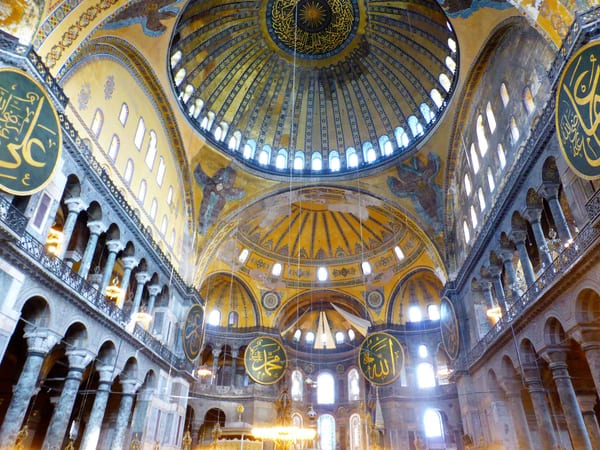
- Hagia Sophia — Photo: Kemal KOZBAEV · CC BY-SA 4.0 · Wikimedia Commons (colour corrected)


