Tombs of the Sultans at Hagia Sophia
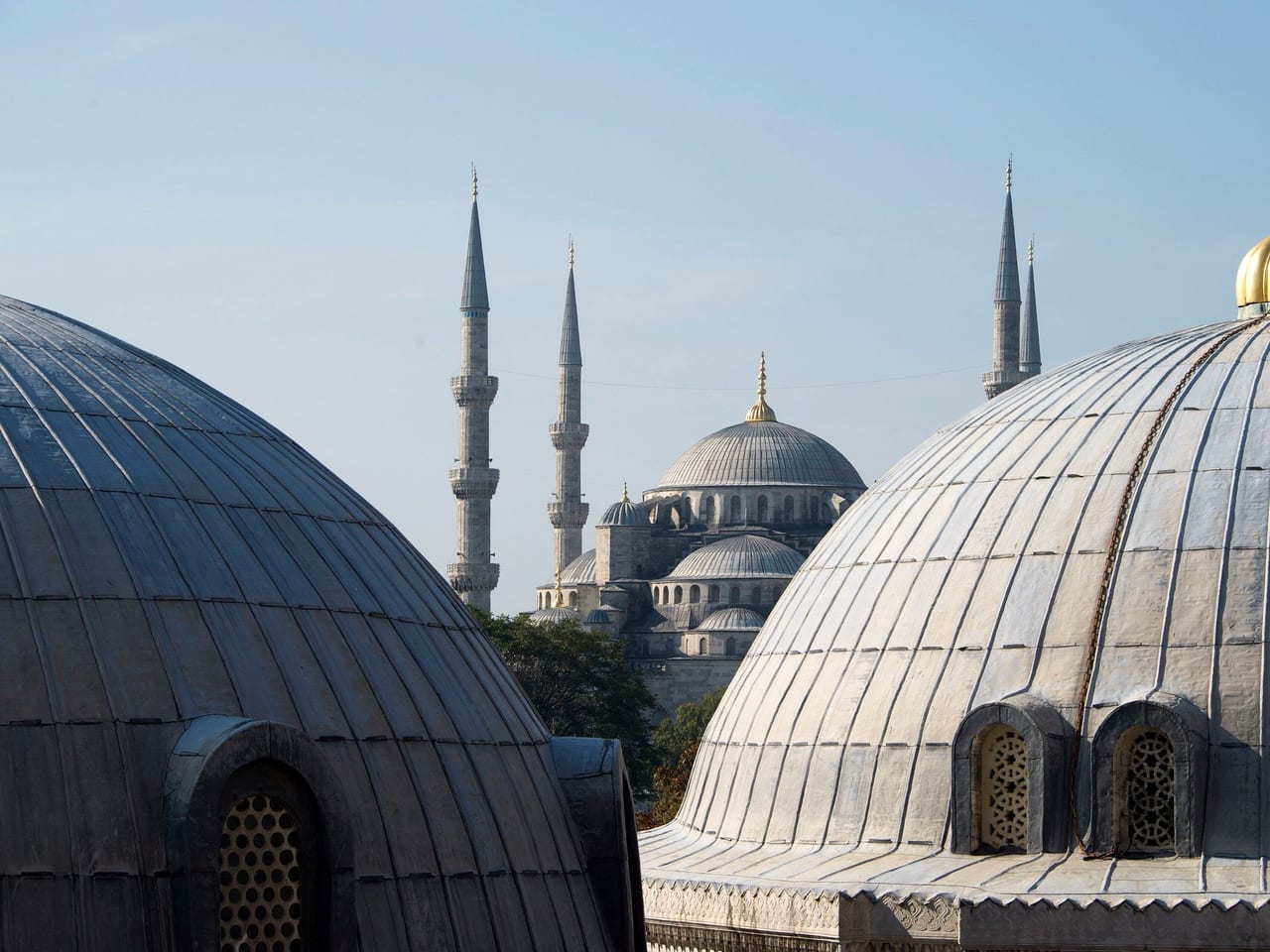
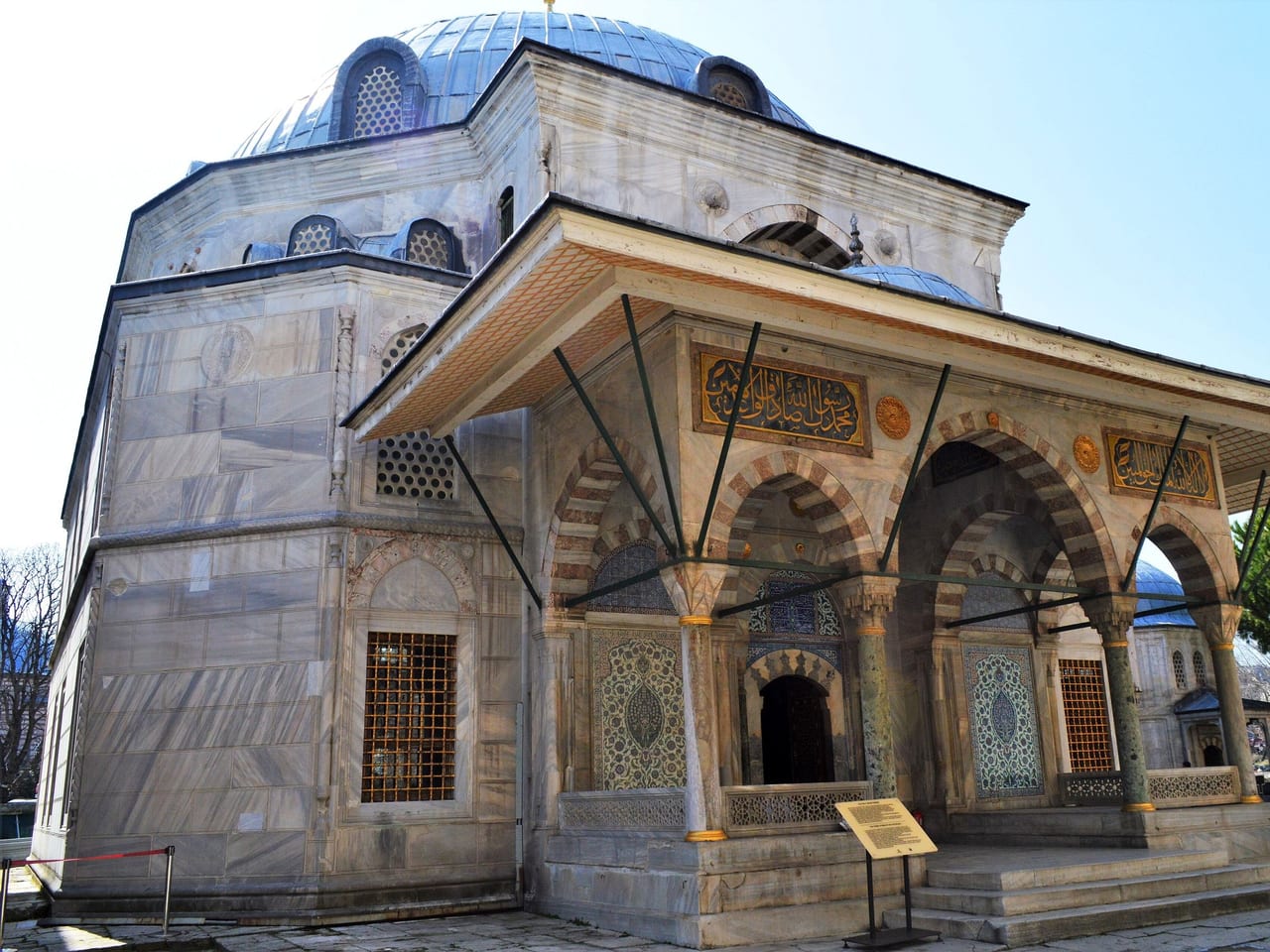
The tombs of five sultans in the garden on Hagia Sophia's south side: those of Selim II, Murad III, and Mehmed III, the graves of the princes, and a former baptistery turned into a tomb.
In this quiet garden lie five Ottoman sultans. A story that began in the shadow of an imperial church carries on here, in the burial ground of a dynasty.Listen to the rest in the app
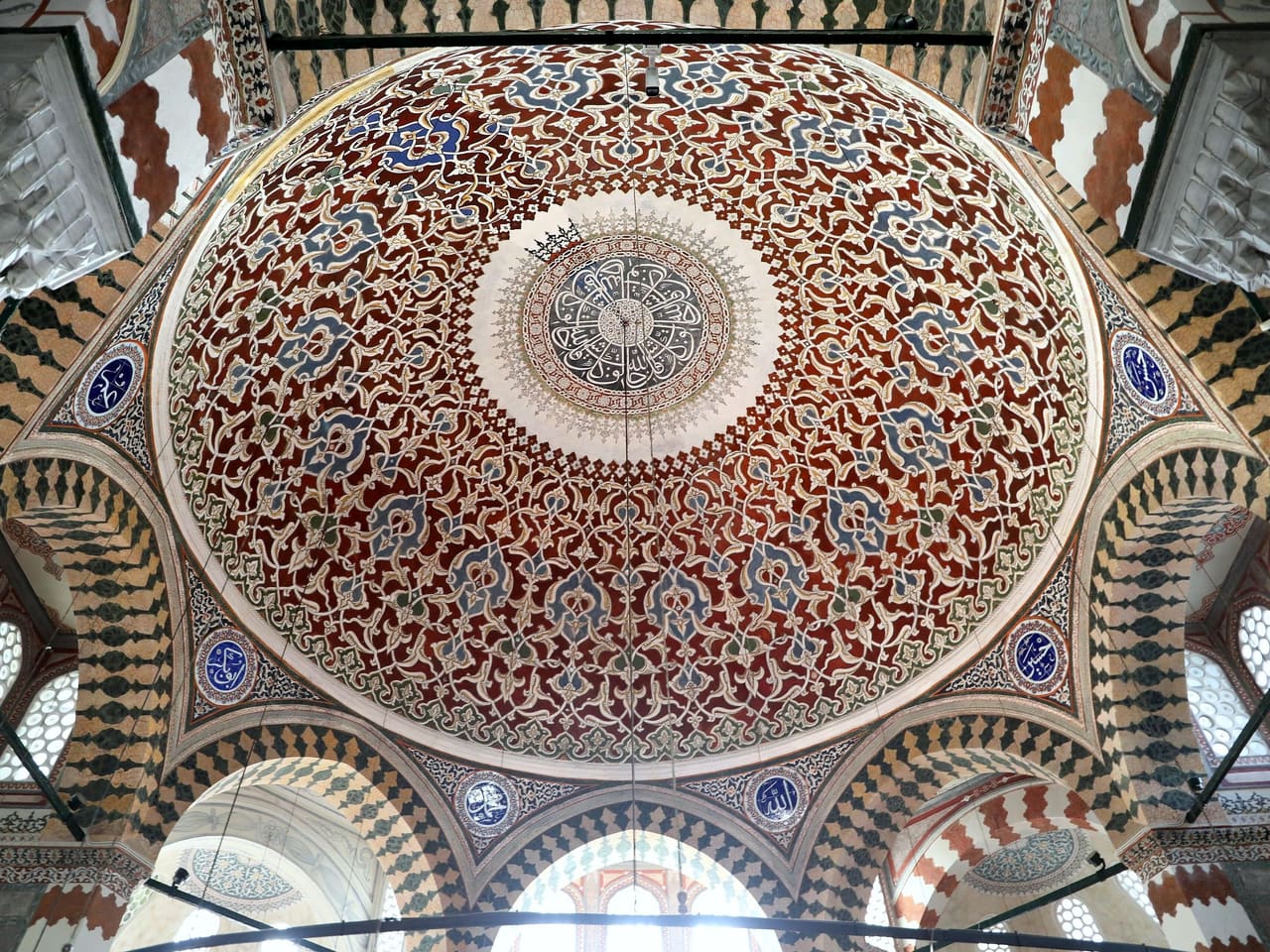
The garden on Hagia Sophia's south side became a dynastic burial ground in the late 16th and early 17th centuries, as tombs of sultans were built there. It holds the tombs of Selim II, his son Murad III, and his grandson Mehmed III, as well as the Tomb of the Princes. The tomb of Selim II is a work of Mimar Sinan, completed in 1576–1577, that of Murad III in 1599–1600, and that of Mehmed III in 1608–1609; these last two are the final examples of tombs with an inner corridor. The date of the Tomb of the Princes, however, is not certain. The building that served as a baptistery in the church's time was turned into a tomb in 1639; Mustafa I and Sultan İbrahim lie here. Five sultans are thus buried in the garden. The interiors of the tombs are decorated with 16th-century İznik tiles. Princes killed to prevent struggles over the throne also lie in the garden; when Mehmed III came to the throne, his brothers who were put to death were buried here. This practice changed in the 17th century, when princes began to be kept under watch in the palace instead.
Practical information
- Visit: The tombs form a visiting area separate from Hagia Sophia; check the official website for opening times before you go. Silence and dress rules apply inside.
- Suggested time: 15–20 minutes.
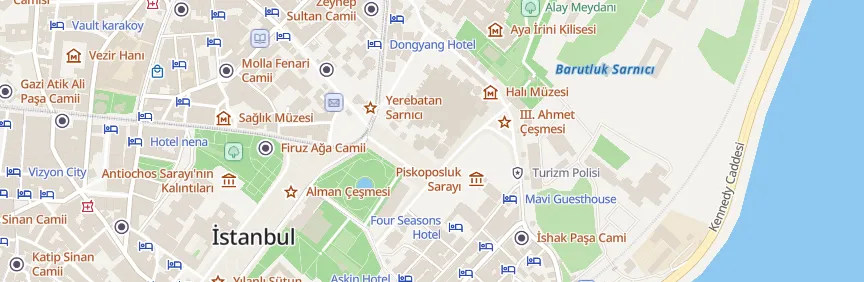
Where
Nearby places
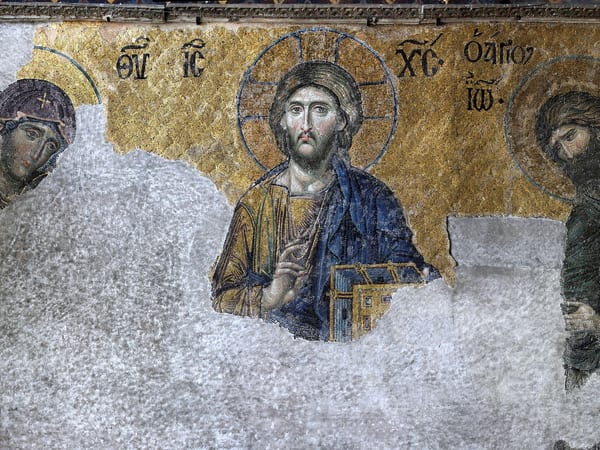 Deesis and Imperial Mosaics
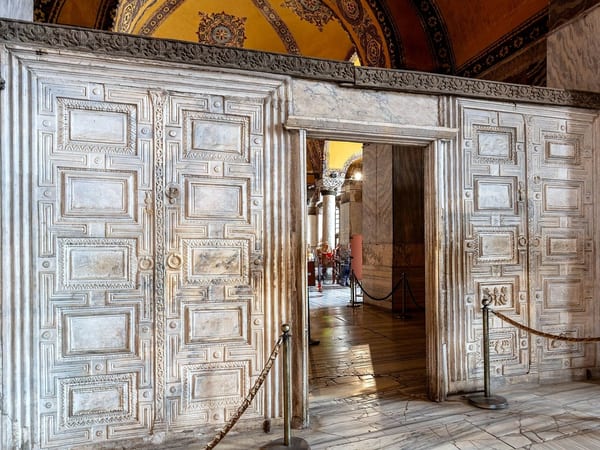 West Gallery and Marble Door
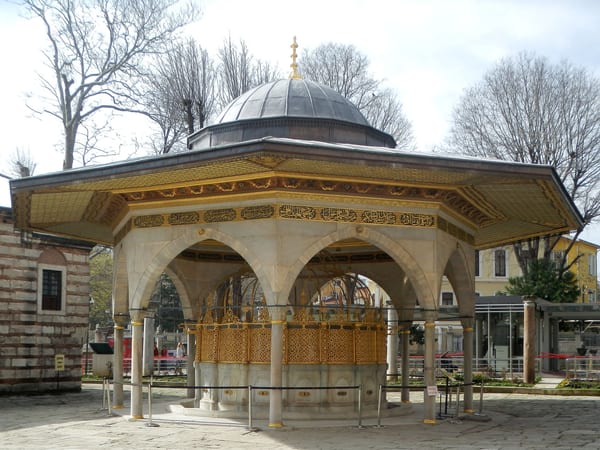 Hagia Sophia Courtyard (Fountain, Primary School, Timekeeper's House)
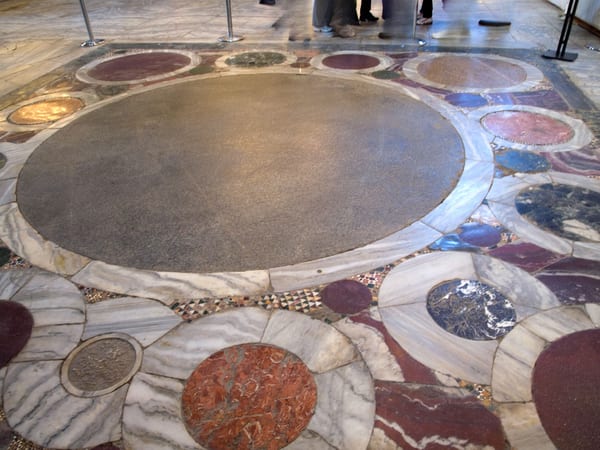 Omphalion

Routes that include this place
Listen as you walk
Guide & Travel starts the story by itself when you reach the place, and it works offline too.
Photos (5)
- Deesis and Imperial Mosaics — Photo: Till Niermann · CC BY-SA 3.0 · Wikimedia Commons (cropped)
- West Gallery and Marble Door — Photo: Diego Delso · CC BY-SA 4.0 · Wikimedia Commons (edited)
- Hagia Sophia Courtyard (Fountain, Primary School, Timekeeper's House) — Photo: Hasibe Durmaz · CC BY-SA 4.0 · Wikimedia Commons (colour corrected)
- Omphalion — Photo: Javier Losa · CC BY 2.0 · Wikimedia Commons (edited)
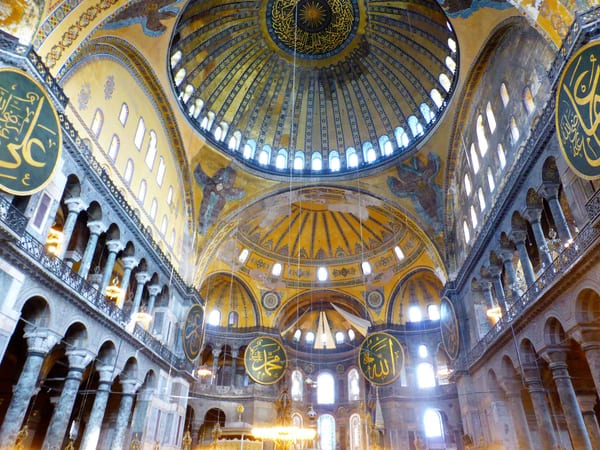
- Hagia Sophia — Photo: Kemal KOZBAEV · CC BY-SA 4.0 · Wikimedia Commons (colour corrected)


