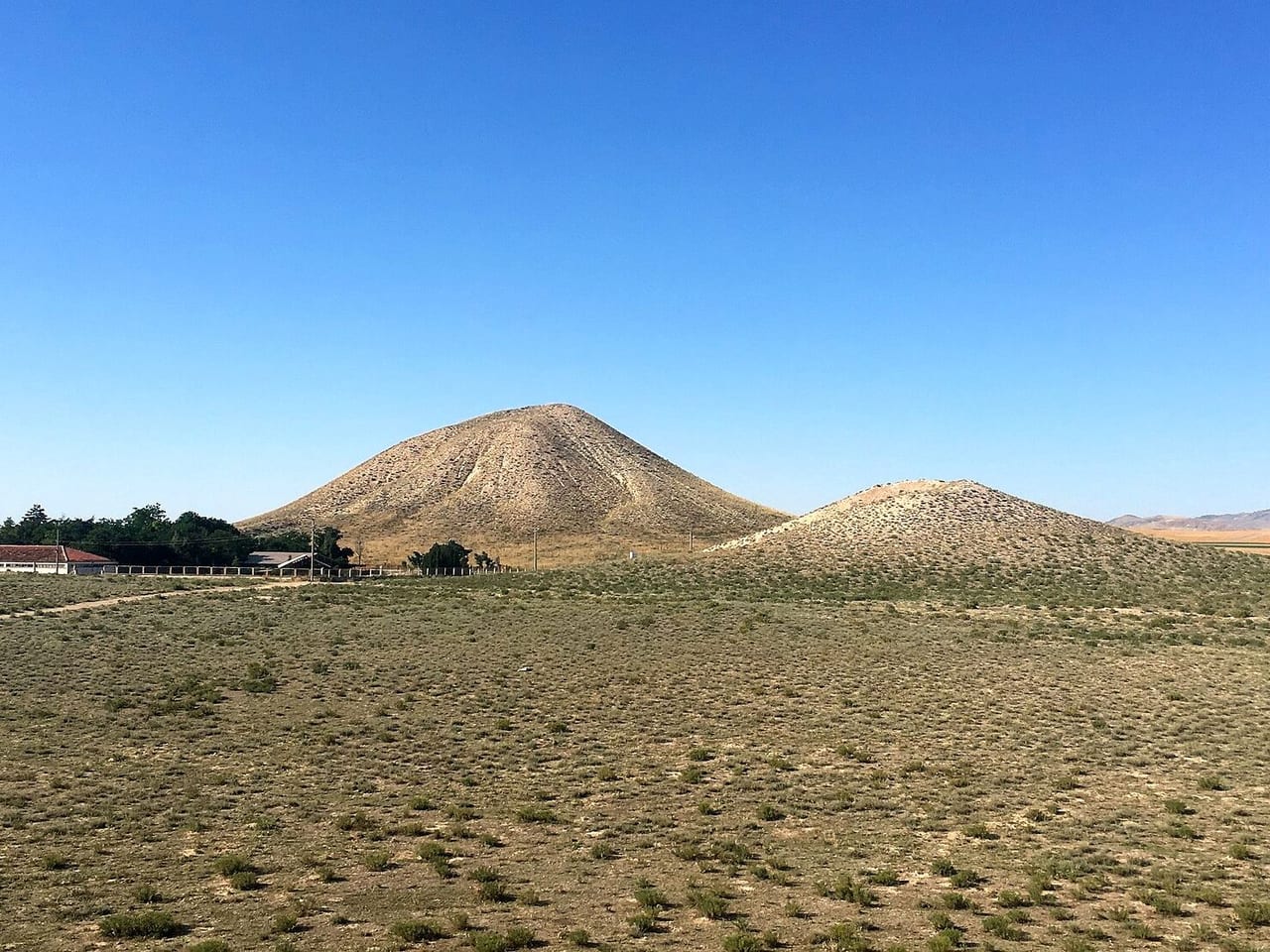
Gordion
Capital of the Phrygian kingdom: an archaeological site with its citadel mound, more than 100 tumuli and its museum, on UNESCO's World Heritage List since 2023.
Capital of the Phrygians
Gordion, in Polatlı, where the Sakarya (Sangarios) and Porsuk rivers come close to each other, holds the remains of the capital of the Phrygian kingdom; it lies about 90 km southwest of Ankara. The first settlement here goes back to the Early Bronze Age, around 3000 BC, and the city holds Phrygian, Persian, Hellenistic and Roman layers one above the other. Gordion had its brightest period in the 8th century BC, in the time of Midas, the king of the golden touch in legend. Midas was a historical figure: he appears as "Mita" in the annals of the Assyrian king Sargon II, and Herodotus writes that he was the first non-Greek king to send an offering to the temple of Apollo at Delphi. Strabo links Midas's death to the Cimmerian invasion of Phrygia. The city came under the Persians in 546 BC, Alexander the Great in 333 BC and the Galatians in 278 BC; in the Roman period it lost its importance and became a small settlement. More than 100 tumuli, earth burial mounds, were raised around the city for the Phrygian nobility.
Excavations and World Heritage
The first excavations were made in 1901 by the German Körte brothers, who explored the city mound and five tumuli; many of their finds are now in the İstanbul Archaeological Museums. In the excavations begun in 1951 under the American archaeologist Rodney S. Young of the University of Pennsylvania Museum, 25 tumuli, including the largest, were excavated along with the city mound. Most of the finds are displayed in the Museum of Anatolian Civilizations in Ankara, and some in the Gordion Museum. Gordion was inscribed on UNESCO's World Heritage List in 2023; the property covers the citadel mound, the Lower Town, the Outer Town and fortifications, and the tumuli around them.
Practical information
- Getting there: northwest of Polatlı, in the village of Yassıhöyük (today Yassıhöyük Mahallesi); about 16–18 km from the district center. For public transport, check the official websites of the transport operators.
- Hours and admission: the Gordion Museum and the Citadel Mound each have their details on their own page.
- Suggested time: half a day (including the museum and the mound).
- Status: open.
Where

Inside this place
Nearby places
 Hıdırlık Hill

Routes that include this place
Listen as you walk
Guide & Travel starts the story by itself when you reach the place, and it works offline too.
Photos (13)
- Gordion Citadel Mound — Photo: Archaeologist1950 · CC BY-SA 4.0 · Wikimedia Commons (cropped)
- Gordion Monumental Gate — Photo: Archaeologist1950 · CC BY-SA 4.0 · Wikimedia Commons (cropped)
- Gordion Megarons — Photo: Archaeologist1950 · CC BY-SA 4.0 · Wikimedia Commons (cropped)
- Terrace Building — Photo: Archaeologist1950 · CC BY-SA 4.0 · Wikimedia Commons (cropped)
- Midas Mound — Photo: Archaeologist1950 · CC BY-SA 4.0 · Wikimedia Commons (cropped)
- Gordion Museum — Photo: Archaeologist1950 · CC BY-SA 4.0 · Wikimedia Commons (cropped)
- Galatian Tomb — Photo: Archaeologist1950 · CC BY-SA 4.0 · Wikimedia Commons (cropped)
- Kayabaşı Mosaic — Photo: Archaeologist1950 · CC BY-SA 4.0 · Wikimedia Commons (cropped)
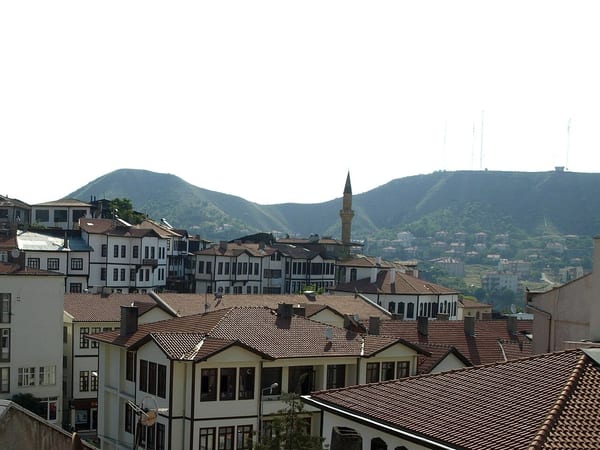
- Hıdırlık Hill — Photo: Hajo-Muc · CC BY-SA 3.0 · Wikimedia Commons (cropped)
- Historic Town and Houses of Beypazarı — Photo: Hajo-Muc · CC BY-SA 3.0 · Wikimedia Commons (cropped)
- Suluhan — Photo: Hajo-Muc · CC BY-SA 3.0 · Wikimedia Commons (cropped)
- Silversmiths' Bazaar — Photo: Hajo-Muc · CC BY-SA 3.0 · Wikimedia Commons (cropped)
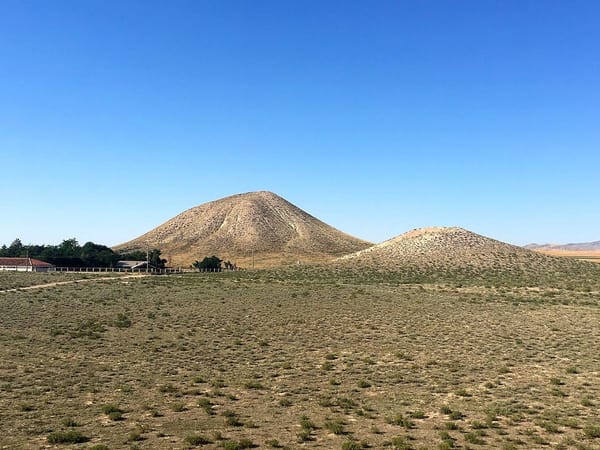
- Gordion — Photo: Archaeologist1950 · CC BY-SA 4.0 · Wikimedia Commons (cropped)
