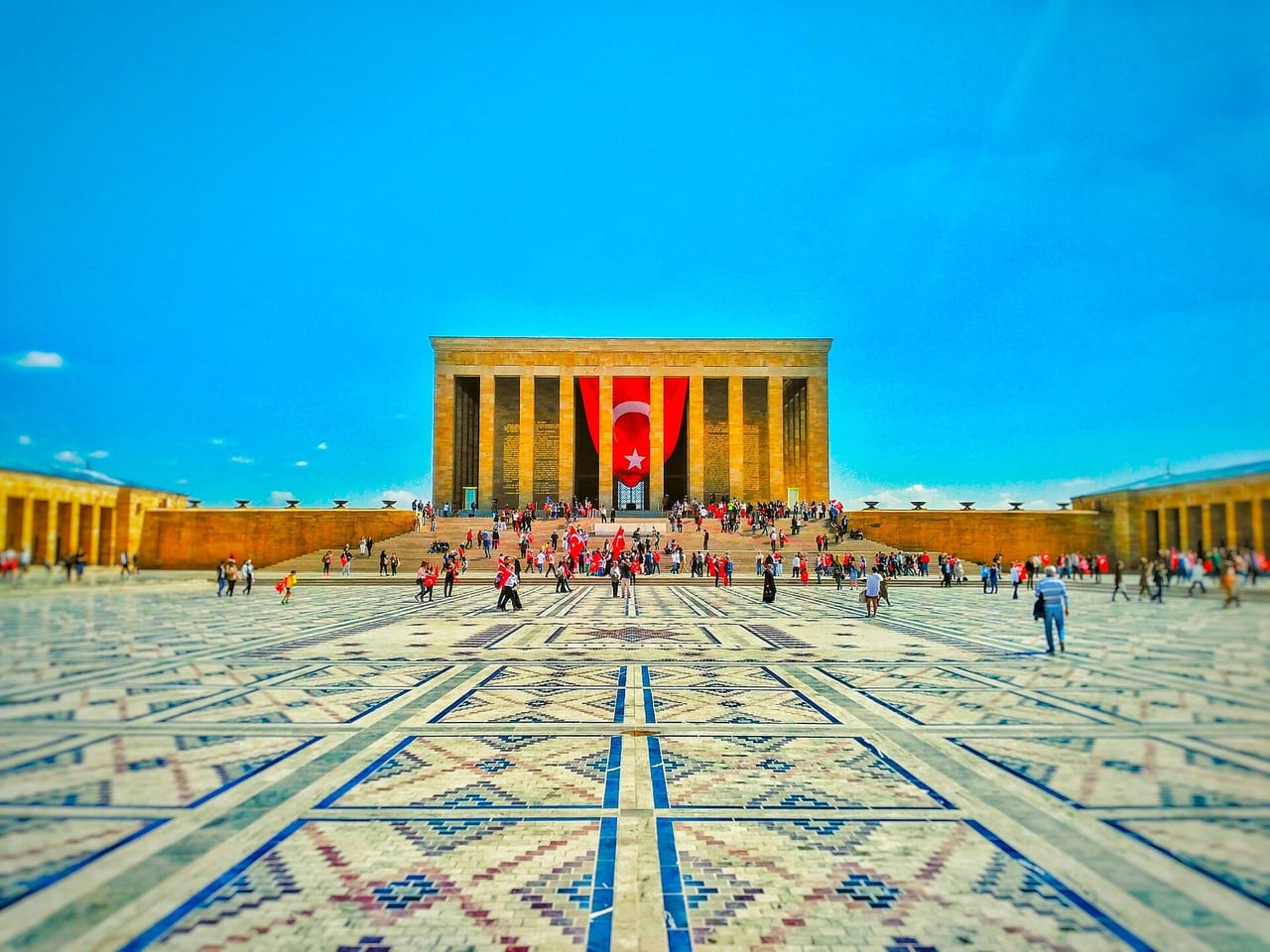
Ankara
The Phrygians' Ankyra, capital of Roman Galatia, and capital of the Republic of Türkiye since 1923: a city of a citadel, museums, and Anıtkabir.
Ankara, in Central Anatolia, is the capital of the Republic of Türkiye. Settlement in the area goes back to the Bronze Age. The city itself was first founded in the Phrygian period, and Gordion, the Phrygian capital, also lies within the province today. A legend says King Midas founded the city; its old name, Ankyra, means "anchor" in Greek. In the Persian period, the famous Royal Road passed through the city. In the 3rd century BC, the Tectosages, a tribe of the Galatians who had come to Anatolia, made the city their center, and in 25 BC Augustus made Ankara the capital of the Roman province of Galatia.
The city kept its importance in the Byzantine, Seljuk, and Ottoman periods, and it was a trading town where the Ahi brotherhoods were strong. The War of Independence was directed from Ankara, and on October 13, 1923, the city became the capital of the new state. The old city lies at the foot of the citadel, in today's Altındağ district; in the Republican period, a new seat of government was built in Çankaya, and the city grew in that direction. In the app, Ankara's destinations are Altındağ, Çankaya, and Yenimahalle, along with Beypazarı and Polatlı, two districts of the province.
Things to do in Ankara
Altındağ · 13 places
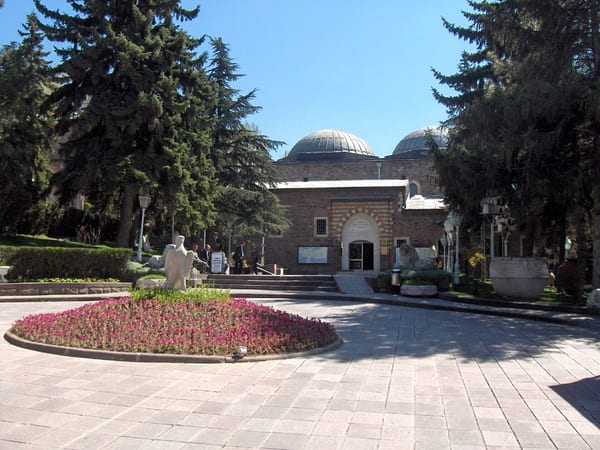 Museum of Anatolian CivilizationsHistorical Place
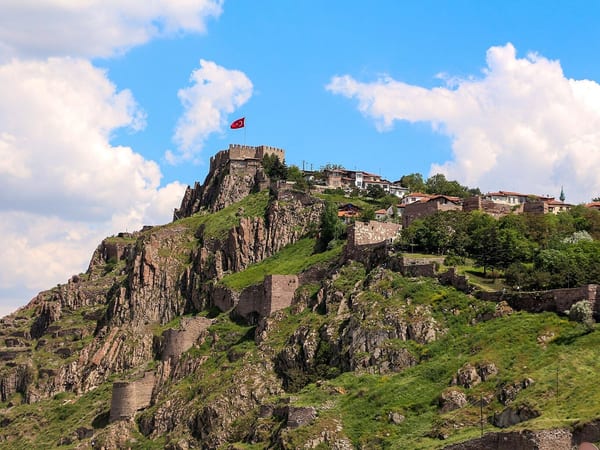 Ankara CastleHistorical Place
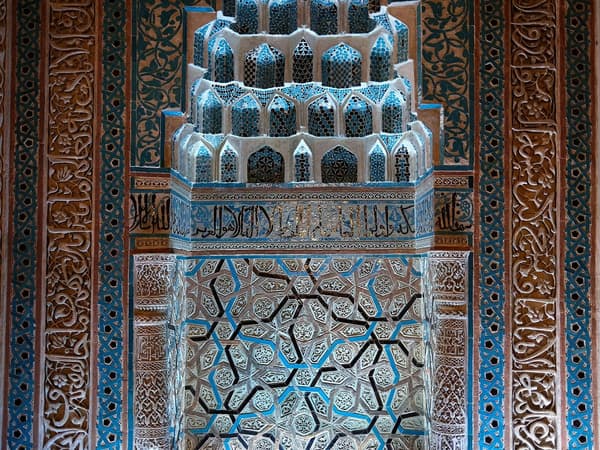 Aslanhane MosqueHistorical Place
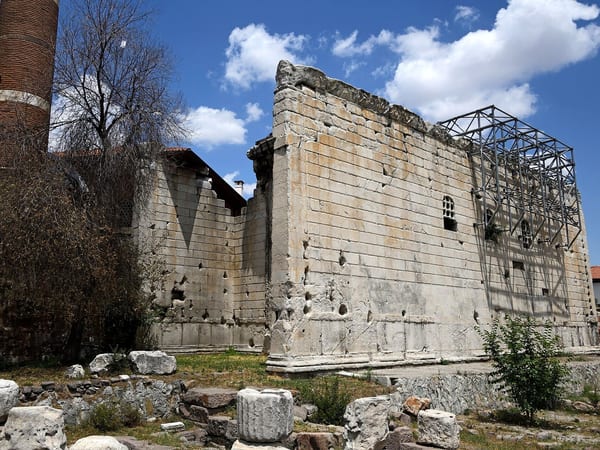 Temple of AugustusHistorical Place
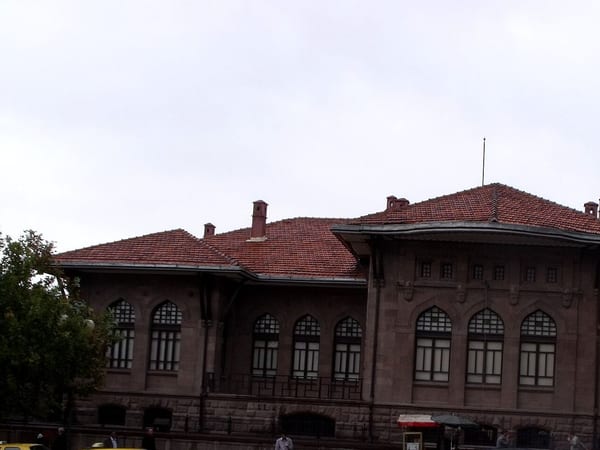 First Parliament BuildingHistorical Place
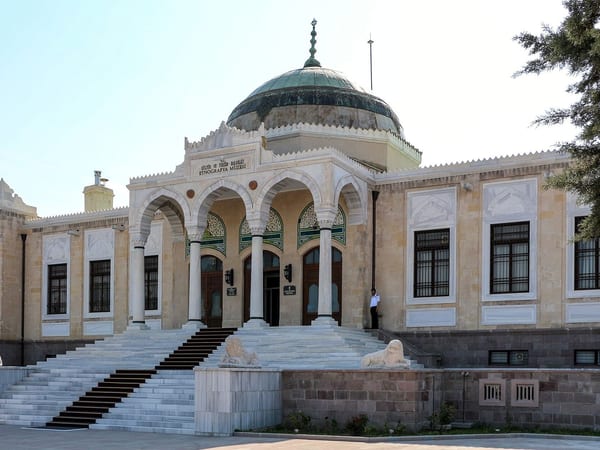 Ethnography MuseumHistorical Place
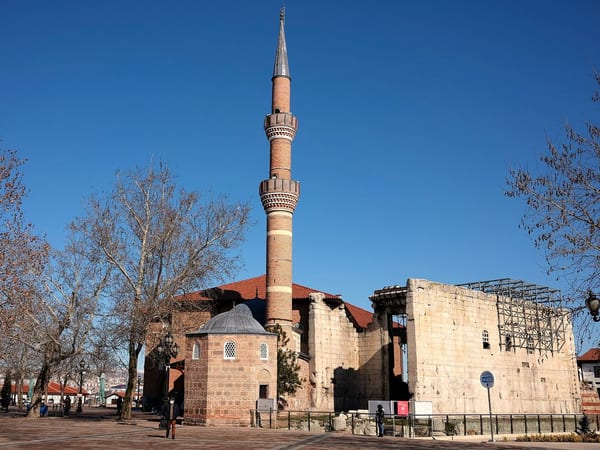 Hacı Bayram MosqueHistorical Place
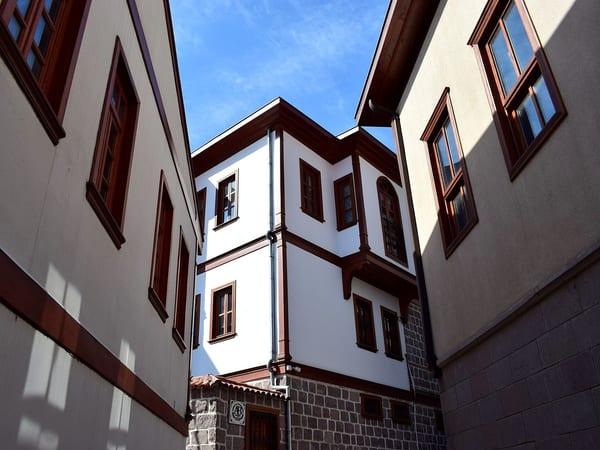 HamamönüHistorical Place
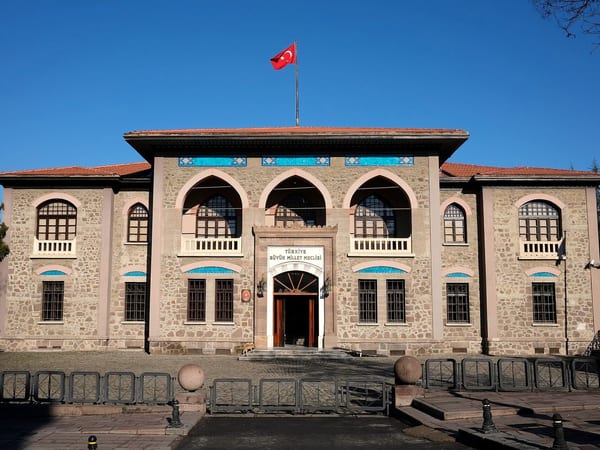 Second Parliament BuildingHistorical Place
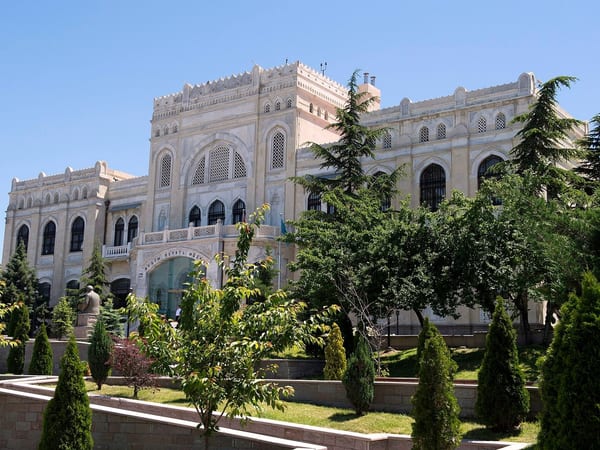 Ankara State Art and Sculpture MuseumHistorical Place
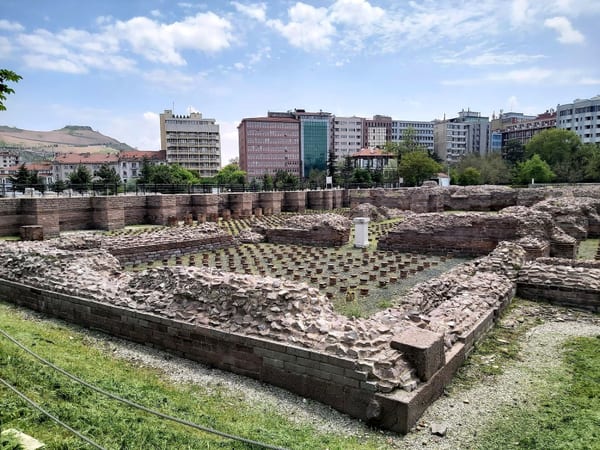 Roman BathsHistorical Place
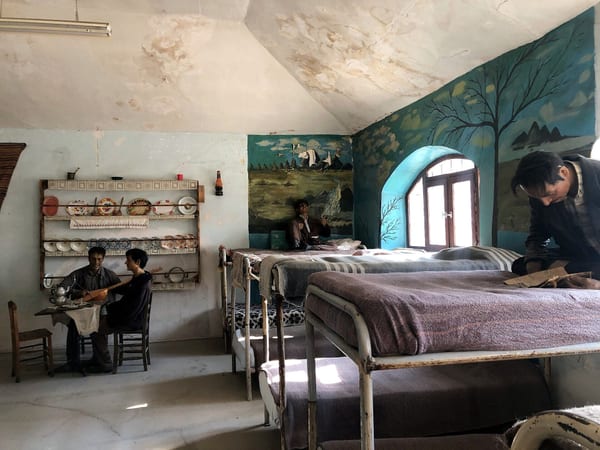 Ulucanlar Prison MuseumHistorical Place
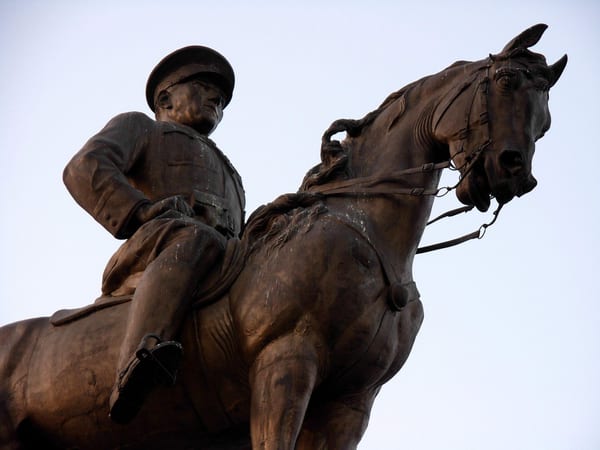 Ulus Square and Victory MonumentHistorical Place
Çankaya · 1 place
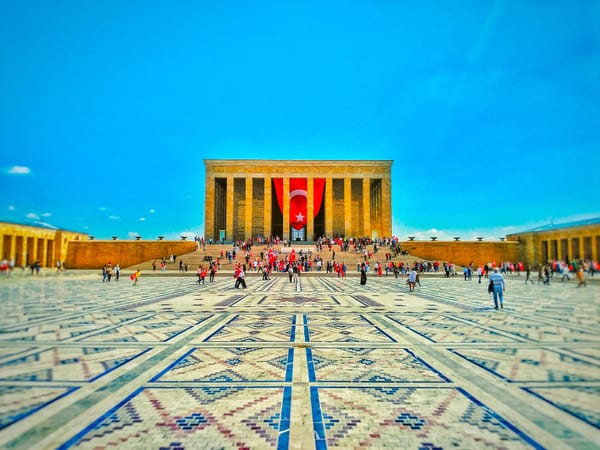 Anıtkabir
Beypazarı · 1 place
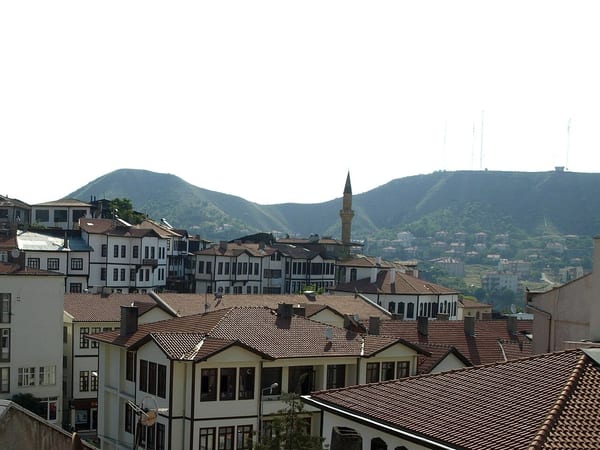 Historic Town and Houses of Beypazarı
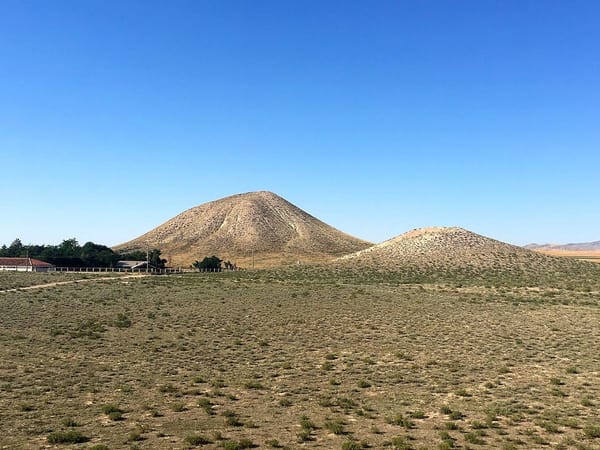
Polatlı · 1 place
Yenimahalle · 1 place
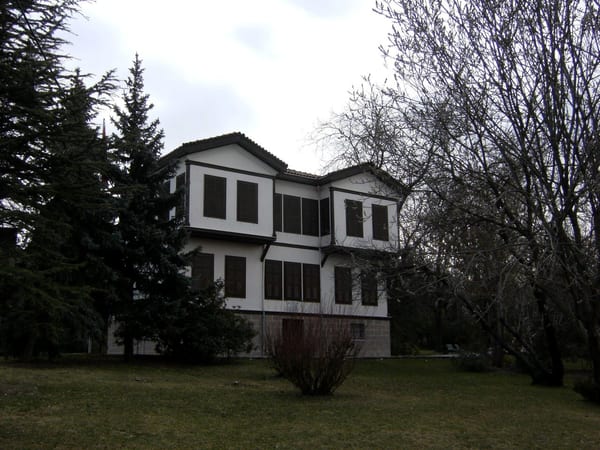 Atatürk Forest Farm

Routes in Ankara
Listen as you walk
Guide & Travel starts the story by itself when you reach the place, and it works offline too.
Photos (17)
- Museum of Anatolian Civilizations — Photo: Georges Jansoone (JoJan) · CC BY-SA 3.0 · Wikimedia Commons (edited)
- Ankara Castle — Photo: Bernard Gagnon · CC BY-SA 3.0 · Wikimedia Commons (cropped)
- Aslanhane Mosque — Photo: Dursun Sülük · CC BY-SA 4.0 · Wikimedia Commons (cropped)
- Temple of Augustus — Photo: Dosseman · CC BY-SA 4.0 · Wikimedia Commons (cropped)
- First Parliament Building — Photo: nurettingülay · CC BY-SA 3.0 · Wikimedia Commons (cropped)
- Ethnography Museum — Photo: Bernard Gagnon · CC BY-SA 3.0 · Wikimedia Commons (cropped)
- Hacı Bayram Mosque — Photo: Dursun Sülük · CC BY-SA 4.0 · Wikimedia Commons (cropped)
- Hamamönü — Photo: BIG-K006 · CC BY-SA 4.0 · Wikimedia Commons (cropped)
- Second Parliament Building — Photo: Dursun Sülük · CC BY-SA 4.0 · Wikimedia Commons (cropped)
- Ankara State Art and Sculpture Museum — Photo: Dosseman · CC BY-SA 4.0 · Wikimedia Commons (cropped)
- Roman Baths — Photo: 8kanarya1 · CC BY 4.0 · Wikimedia Commons (colour corrected)
- Ulucanlar Prison Museum — Photo: Canercangul · CC BY-SA 4.0 · Wikimedia Commons (colour corrected)
- Ulus Square and Victory Monument — Photo: brewbooks · CC BY-SA 2.0 · Wikimedia Commons (colour corrected)
- Anıtkabir — Photo: Yasinramazan551 (Turkish Wikipedia) · CC BY-SA 3.0 · Wikimedia Commons (edited)
- Historic Town and Houses of Beypazarı — Photo: Hajo-Muc · CC BY-SA 3.0 · Wikimedia Commons (cropped)
- Gordion — Photo: Archaeologist1950 · CC BY-SA 4.0 · Wikimedia Commons (cropped)
- Atatürk Forest Farm — Photo: Nosferatü · Public domain · Wikimedia Commons (colour corrected)


