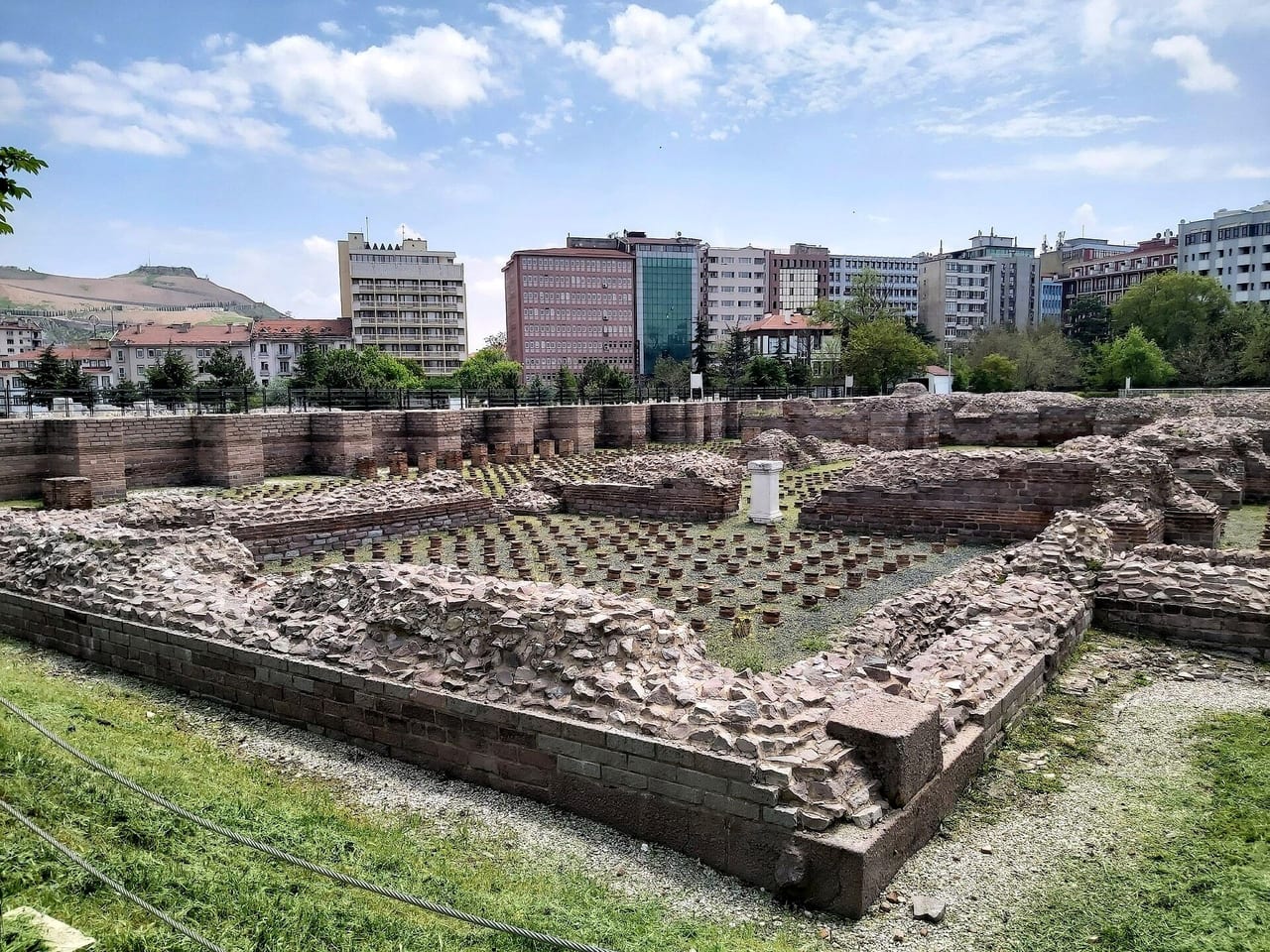
Roman Baths
West of Çankırı Caddesi, the remains of the great Roman bath built under Emperor Caracalla, with an open-air museum of inscriptions, gravestones and altars in its palaestra.
Caracalla's bath
The bath stands west of Çankırı Caddesi, on a level terrace about 2.5 m above its surroundings. According to the coins found here, it was built under Emperor Caracalla, at the beginning of the 3rd century AD, and dedicated to Asclepius, the god of healing. It had two main parts: a colonnaded courtyard, the palaestra, used for sport and gatherings, and the covered bath itself. The bath had a changing room (apodyterium), a cold room (frigidarium), a warm room (tepidarium) and a hot room (caldarium), as well as a sweating room, furnaces and water tanks. What survives today belongs mostly to the heating level and the service areas below: rows of brick piers, between which hot air circulated under the floor. Water was brought through stone pipes from Elmadağ, some 60 km from the city. Repaired in the Byzantine period, the bath remained in use for about five hundred years. Measuring about 250 by 132 m, it counts among the large Roman baths known. The excavations also found the remains of a second, smaller Roman bath south of the great one.
From mound to open-air museum
Before excavation, the site was a mound. The Turkish Historical Society's excavations of 1937–1943 uncovered Phrygian, Roman and Byzantine levels along with the bath. Part of the ancient city's colonnaded street and of the bath lies beneath today's road. The site of about 65,000 m² was turned into an open-air museum through the work of 1997–2001. Around a thousand pieces are displayed in the palaestra: gravestones in the southern and western wings, inscribed blocks to the north, altars to the east, and sarcophagi and lion statues in the middle.
Practical information
- Getting there: Ulus, Çankırı Caddesi No 43. For public transport, check the official websites of the transport authorities.
- Opening hours: check the official website for current times.
- Admission: check the official website for current prices and Museum Pass validity.
- Suggested time: 45 minutes.
- Status: open (archaeological site and open-air museum).
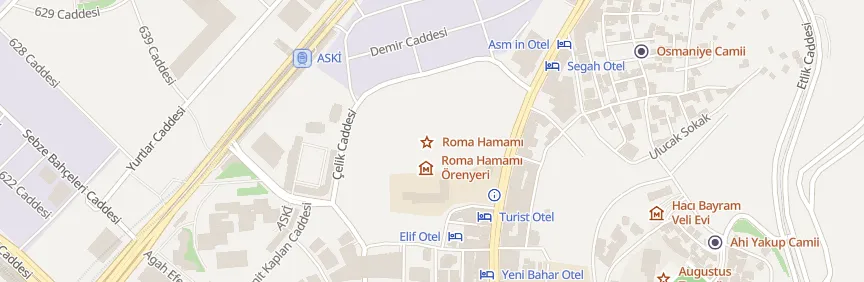
Where
Nearby places
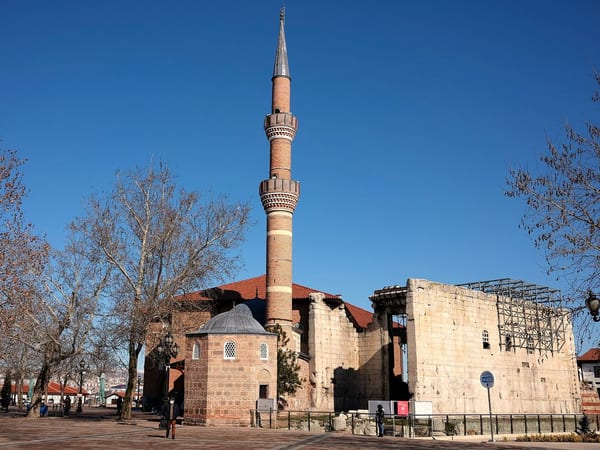 Hacı Bayram Mosque
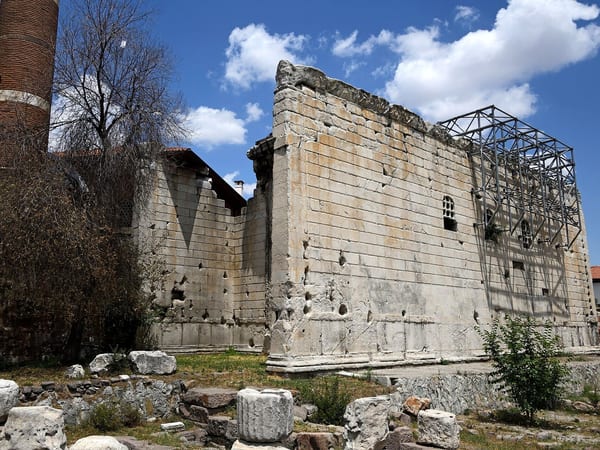 Temple of Augustus
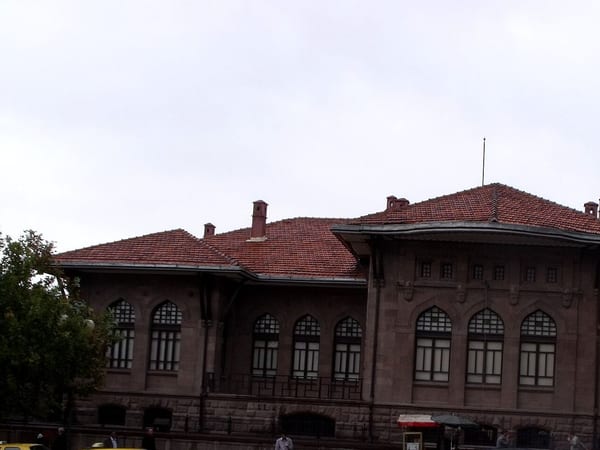 First Parliament Building
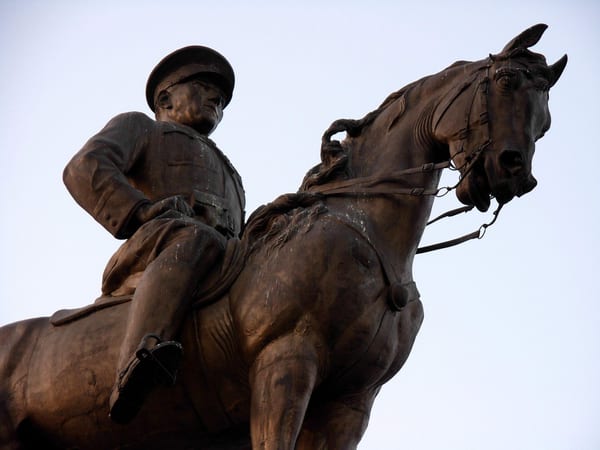 Ulus Square and Victory Monument

Routes that include this place
Listen as you walk
Guide & Travel starts the story by itself when you reach the place, and it works offline too.
Photos (5)
- Hacı Bayram Mosque — Photo: Dursun Sülük · CC BY-SA 4.0 · Wikimedia Commons (cropped)
- Temple of Augustus — Photo: Dosseman · CC BY-SA 4.0 · Wikimedia Commons (cropped)
- First Parliament Building — Photo: nurettingülay · CC BY-SA 3.0 · Wikimedia Commons (cropped)
- Ulus Square and Victory Monument — Photo: brewbooks · CC BY-SA 2.0 · Wikimedia Commons (colour corrected)
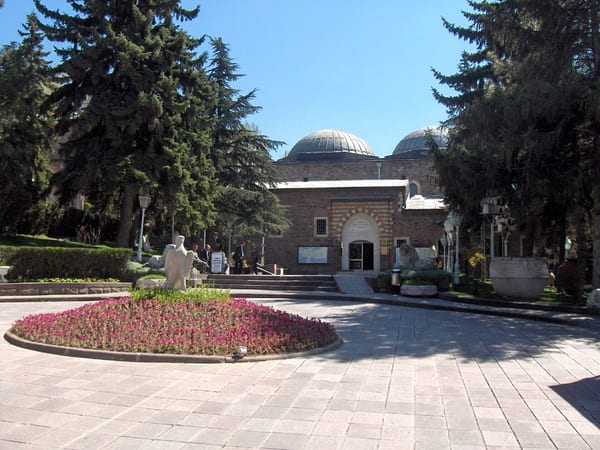
- Museum of Anatolian Civilizations — Photo: Georges Jansoone (JoJan) · CC BY-SA 3.0 · Wikimedia Commons (edited)


