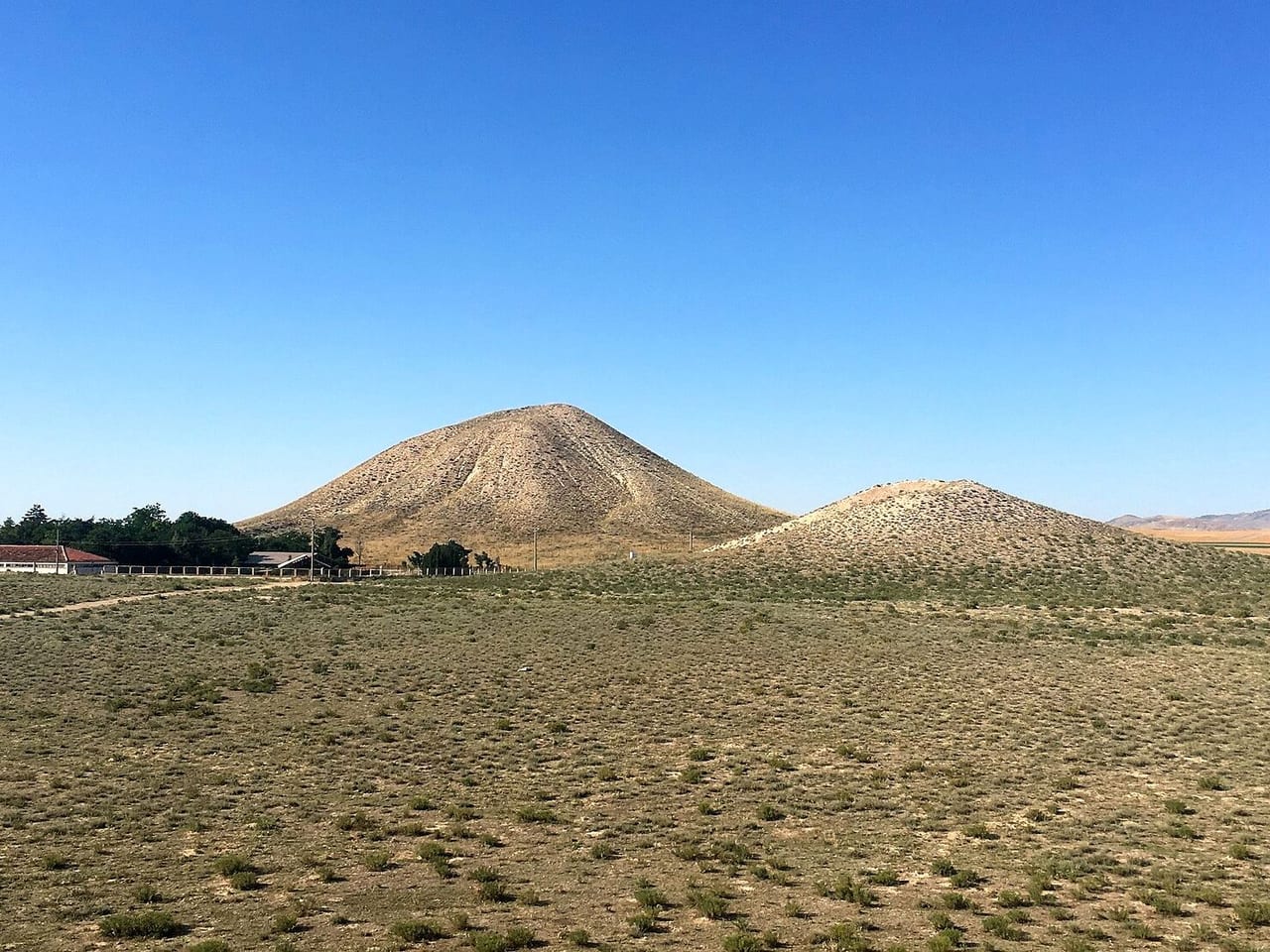
Gordion Monumental Gate

The best-preserved citadel gate of Iron Age Anatolia: a huge entrance on the southeast side of the Phrygian citadel, its stone bastions reaching 9–10 meters.
This gate on the eastern side of the Citadel Mound is accepted as the soundest of its kind to survive from Iron Age Anatolia. Rodney Young excavated it in 1951, 1953 and 1955. Its construction is placed either at the end of the 8th century BC or, in the newer dating, in the 9th century BC. The gate complex measures 60 meters north–south and 35 meters east–west. The central passage, 23 meters long and 8.6 meters wide, is a cobbled ramp that rises 3 meters along its length. The bastions on either side reach 9–10 meters today; they held covered spaces, and in the north court the supports for 53 storage jars were found. The bastions looked white under their limewash, while the gatehouse at the end of the passage was built with blue and deep red stones. The gate was probably in use for no more than 50 years. Later it was buried under 4–5 meters of rubble and clay, and a new gate with thicker walls was built on top of it.
Practical information
- Location: the eastern side of the Citadel Mound.
- Hours and admission: for visiting conditions and current hours, check the official website before you go.
- Suggested time: 15 minutes.
- Status: open.
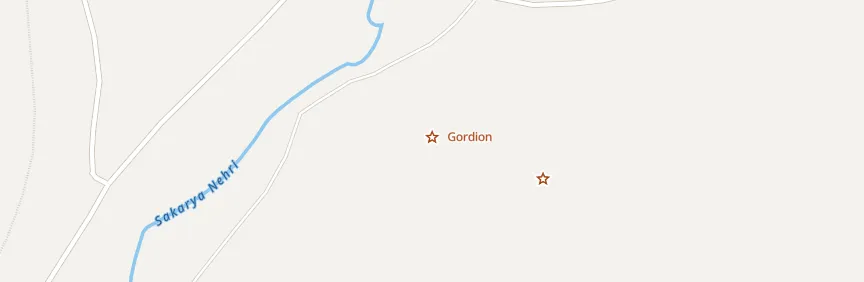
Where
Nearby places
Routes that include this place
Listen as you walk
Guide & Travel starts the story by itself when you reach the place, and it works offline too.
Photos (5)
- Gordion Citadel Mound — Photo: Archaeologist1950 · CC BY-SA 4.0 · Wikimedia Commons (cropped)
- Gordion Megarons — Photo: Archaeologist1950 · CC BY-SA 4.0 · Wikimedia Commons (cropped)
- Terrace Building — Photo: Archaeologist1950 · CC BY-SA 4.0 · Wikimedia Commons (cropped)
- Gordion Museum — Photo: Archaeologist1950 · CC BY-SA 4.0 · Wikimedia Commons (cropped)
- Gordion — Photo: Archaeologist1950 · CC BY-SA 4.0 · Wikimedia Commons (cropped)