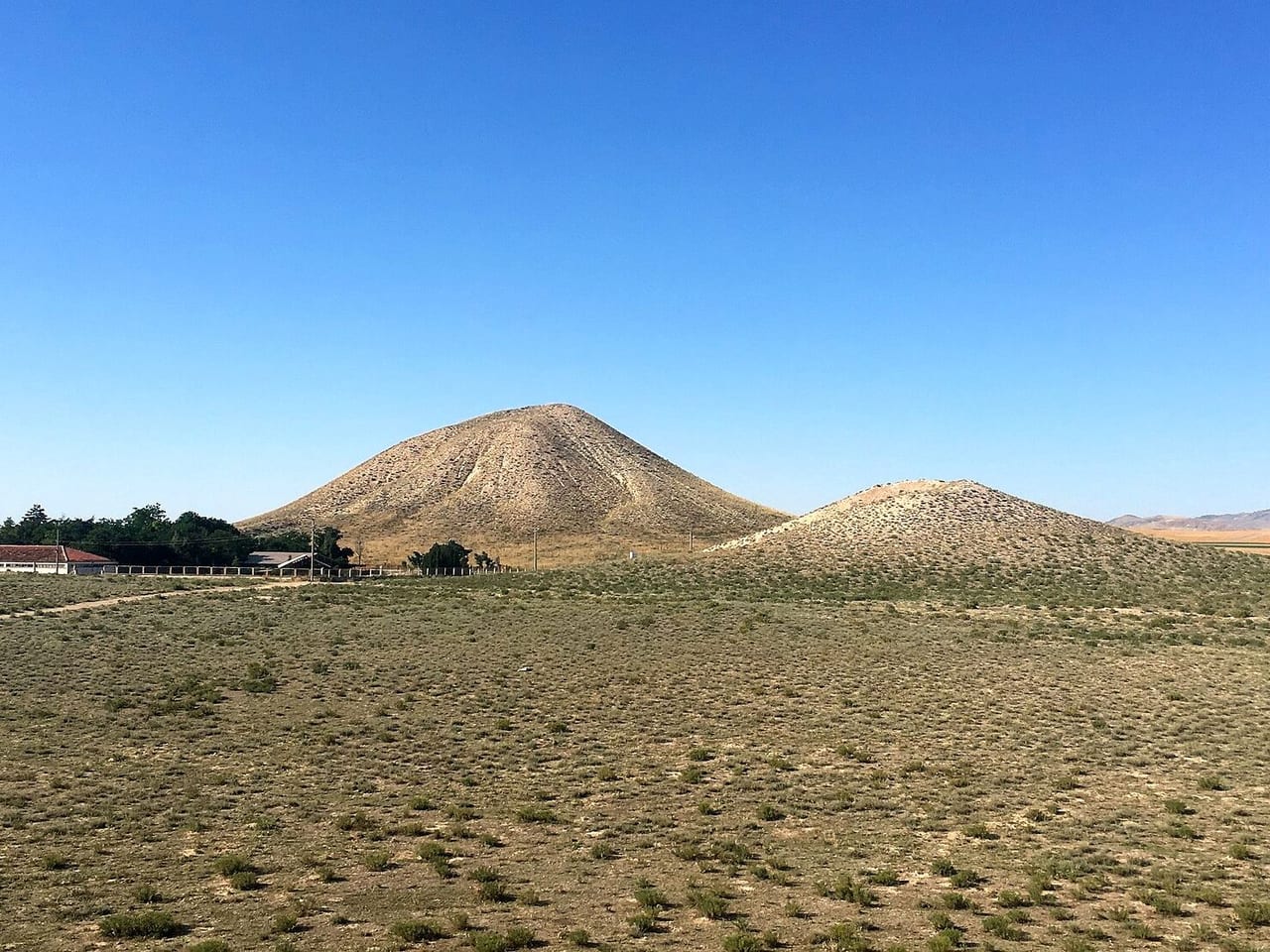
Gordion Megarons

The great halls of the Phrygian citadel: the earliest stone megarons, huge hearths and, in Megaron 2, the earliest known pebble mosaic.
Behind the monumental gate lay two courts. Along the stone-paved Outer Court stood four megarons, buildings with an anteroom and a large hall, and along the larger Inner Court three times as many. This was the area of the elite, though it is thought to have served mainly for administration. The stone-built megarons are the earliest known in the Near East. In the hall of Megaron 2 lay the pebble mosaic that Rodney Young found in 1956: geometric patterns laid freehand in dark blue, dark red, white and, less often, yellow stones. The mosaic was first dated to the 8th century BC, but the newer dating moves it to the second half of the 9th century BC. The hall's hearth was nearly 2 meters across, and its main roof timbers spanned 9.75 meters. The best-preserved parts of the mosaic were cut from the floor in 1963 and put on show at the Gordion Museum in 1983; conservation work began in 2013. Megaron 3 is the largest in the area, with hearths of 2 meters in its anteroom and 1.5 meters in its hall. The buildings burned in a great fire, dated either to about 700 BC or to about 800 BC.
Practical information
- Location: the excavated area of the Citadel Mound, behind the monumental gate.
- Hours and admission: for visiting conditions and current hours, check the official website before you go.
- Suggested time: 15 minutes.
- Status: open.
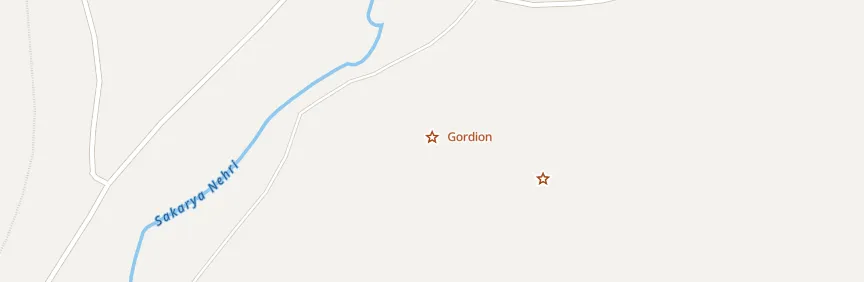
Where
Nearby places
Routes that include this place
Listen as you walk
Guide & Travel starts the story by itself when you reach the place, and it works offline too.
Photos (5)
- Gordion Citadel Mound — Photo: Archaeologist1950 · CC BY-SA 4.0 · Wikimedia Commons (cropped)
- Gordion Monumental Gate — Photo: Archaeologist1950 · CC BY-SA 4.0 · Wikimedia Commons (cropped)
- Terrace Building — Photo: Archaeologist1950 · CC BY-SA 4.0 · Wikimedia Commons (cropped)
- Gordion Museum — Photo: Archaeologist1950 · CC BY-SA 4.0 · Wikimedia Commons (cropped)
- Gordion — Photo: Archaeologist1950 · CC BY-SA 4.0 · Wikimedia Commons (cropped)