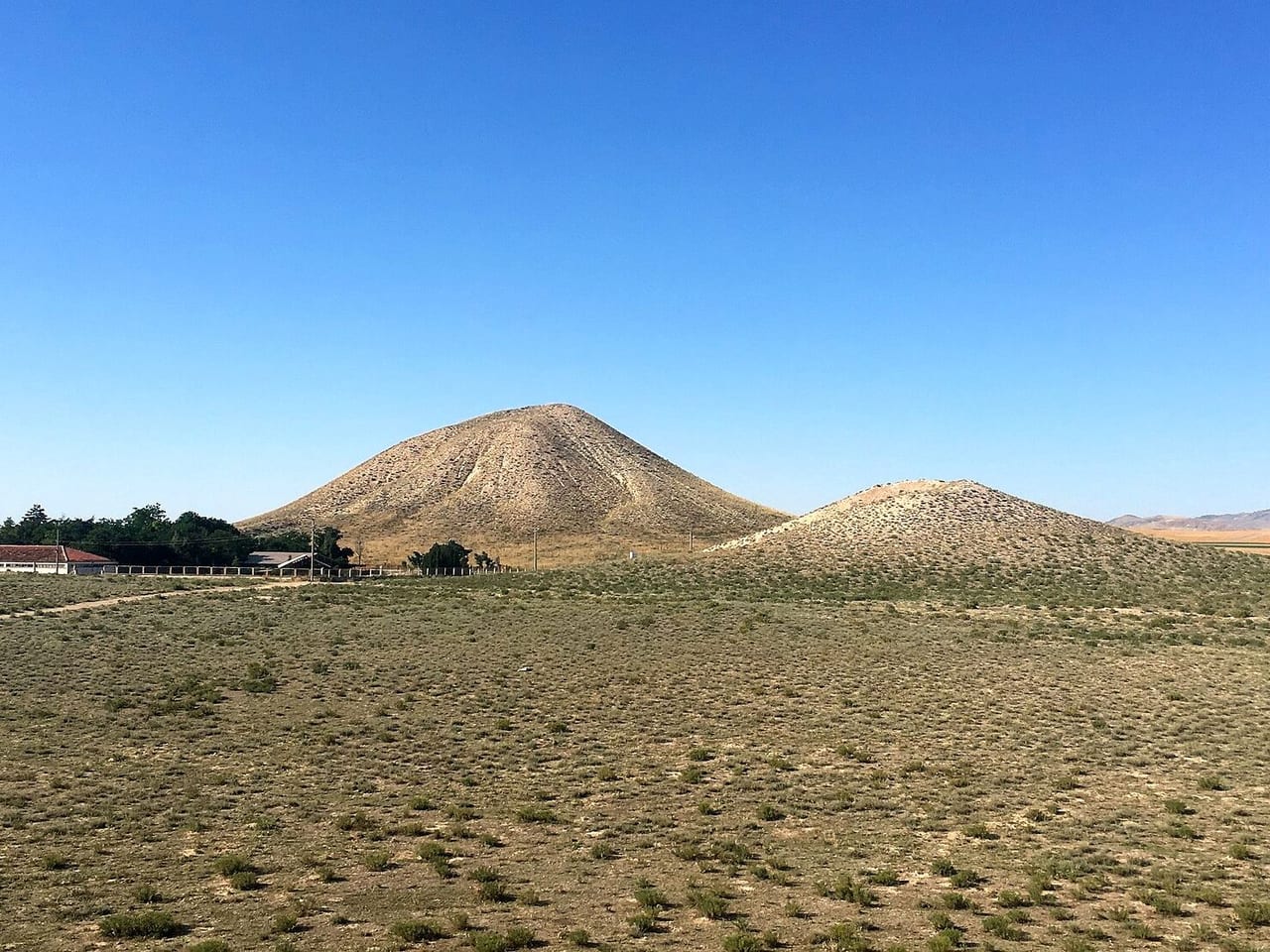
Midas Mound

Gordion's largest tumulus: beneath a mound of earth 300 meters across, a burial chamber built of juniper and cedar logs.
The largest of the tumuli around Gordion is this mound, popularly called the "Tomb of Midas," and it stands directly opposite the Gordion Museum. About 300 meters across and more than 50 meters high, it is counted as the second-largest tumulus in Türkiye. The Gordion tumuli are the tombs of the Phrygian nobility and notables: wooden chambers covered with earth. The burial chamber of this tumulus is at ground level; it is built of juniper and cedar logs and measures about 6.20 by 5.15 meters inside. A wall of stone blocks surrounds the chamber, and the space between was filled with rubble. Dating based on tree rings and the finds places the chamber in the second half of the 8th century BC. Regarded as the oldest known standing wooden building, the chamber also held the best-preserved wooden furniture from antiquity. The tumulus was excavated in 1957 and opened to visitors in the early 1960s, once a concrete-supported tunnel was completed. The finds from the chamber and a replica of the chamber are displayed at Ankara's Museum of Anatolian Civilizations. Who the buried king was is not known for certain.
Practical information
- Hours and admission: for current hours and admission, check the official website before you go.
- Suggested time: 30 minutes.
- Status: open.
Where
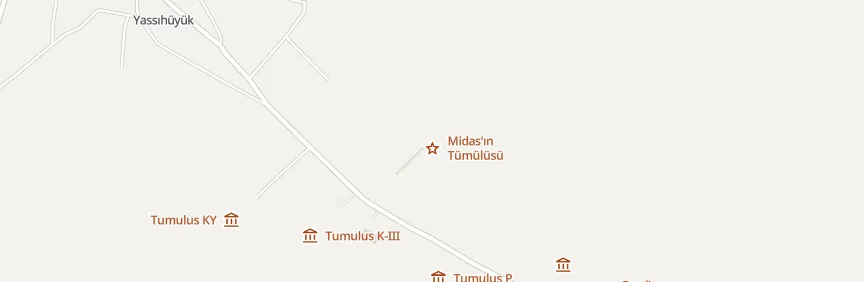
Nearby places
Routes that include this place
Listen as you walk
Guide & Travel starts the story by itself when you reach the place, and it works offline too.
Photos (5)
- Gordion Museum — Photo: Archaeologist1950 · CC BY-SA 4.0 · Wikimedia Commons (cropped)
- Galatian Tomb — Photo: Archaeologist1950 · CC BY-SA 4.0 · Wikimedia Commons (cropped)
- Kayabaşı Mosaic — Photo: Archaeologist1950 · CC BY-SA 4.0 · Wikimedia Commons (cropped)
- Gordion Citadel Mound — Photo: Archaeologist1950 · CC BY-SA 4.0 · Wikimedia Commons (cropped)
- Gordion — Photo: Archaeologist1950 · CC BY-SA 4.0 · Wikimedia Commons (cropped)