Şirince
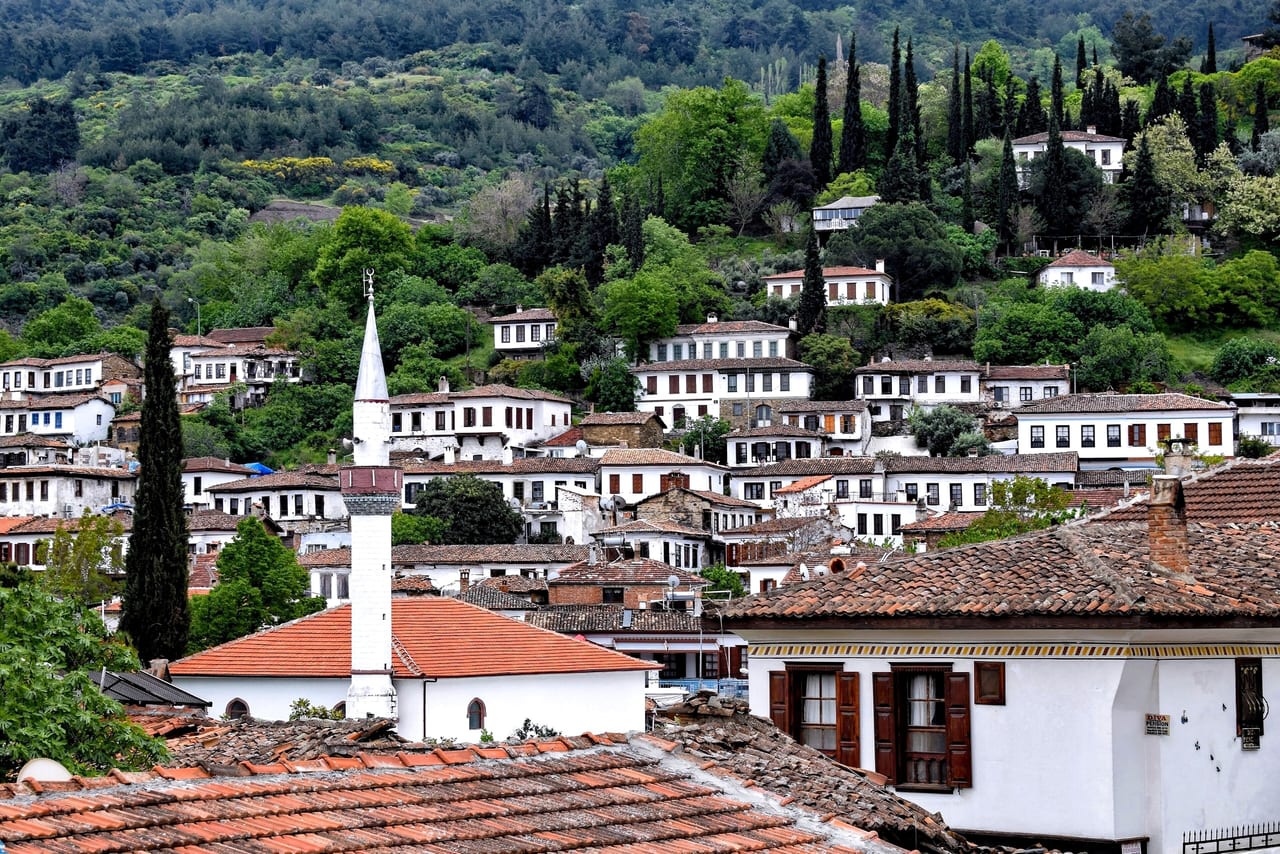
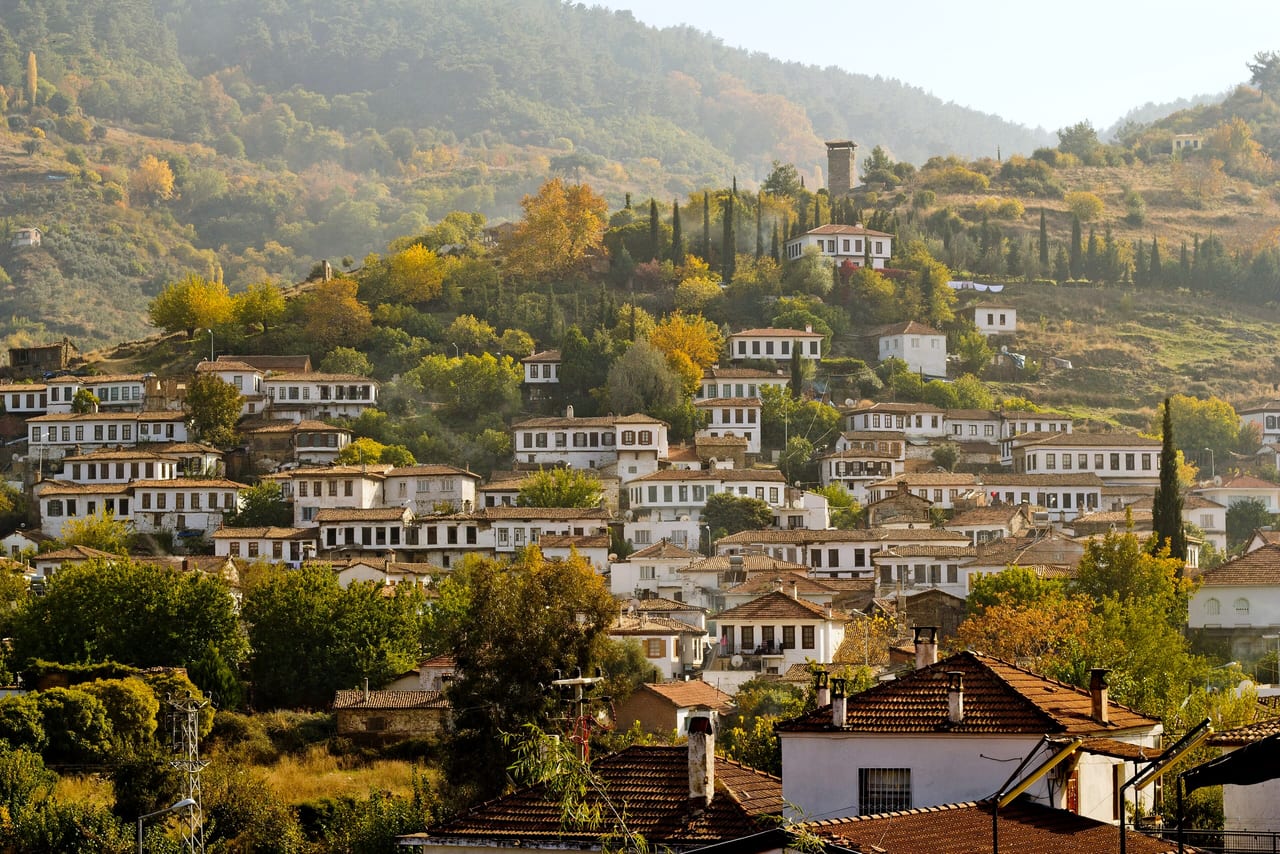
An old Greek village in the hills northeast of Ephesus, known for its stone houses, its two churches and its vineyards.
This square, shaded by a great plane tree, and the wide street opening onto it are Şirince's market. Coffeehouses, bakeries, and shops line up side by side here.Listen to the rest in the app
The story of a name
No one knows when Şirince was first settled; the village may have been founded by a community that withdrew to the mountains after Ephesus broke up. The village appears as "Çirkince" in land registers of 1583. Legend says that a group of Greeks freed in the Aydınid period disliked the place they were shown and, asked "Is your place beautiful?", answered "Çirkince," "rather ugly." In the Republican period, the governor of İzmir, visiting the village, said that so beautiful a place could not be called Çirkince and had its name changed to Şirince, "rather lovely."
[spot: "Is your place beautiful?" — "Çirkince," "rather ugly."]
From fig town to exchange village
In the 19th century Şirince was a large Greek settlement known for figs grown for export, and for a time the district center at Ayasuluk was moved here. The village is said to have once had 1,800 households; over time the number fell to about 200 houses. The neighborhood west of the stream that runs through the village is called İstiklal, and the one to the east İstihlas. With the 1923 population exchange between Türkiye and Greece, the Greeks left the village, and families from the villages of Müştiyan and Somokol near Kavala settled in their place.
A protected village
Şirince has been a registered urban conservation area since 1984, and the village has two churches: the Upper Church and the Lower Church. The 19th-century cut-stone primary school on the ridge running north of the village is also among the registered buildings; rumor has it that Sultan Abdülaziz gave permission for its construction. Today the village is also known for the regional Osmanca grape, its vineyards and its wines; together with Gökçealan, it is one of the places where this grape variety grows. A few hours are enough to wander the stone-paved streets, shop in the market and enjoy a village breakfast.
Practical information
- Getting there: About 8 km by the road branching off from the center of Selçuk; by minibus from Selçuk.
- Admission: the village itself is free.
- Suggested time: 2–3 hours.
- Status: open (inhabited village).
Where
Nearby places
 Ephesus Museum
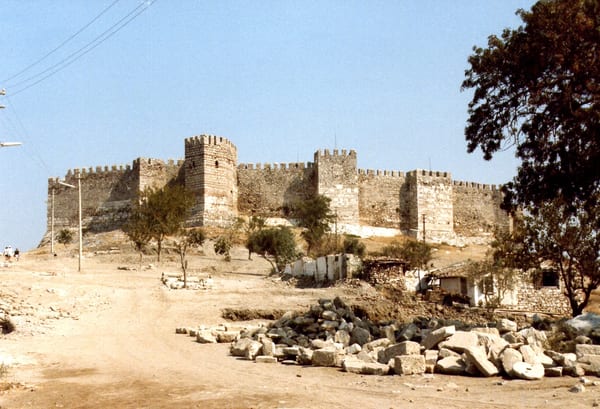 Ayasuluk Hill and the Basilica of St. John
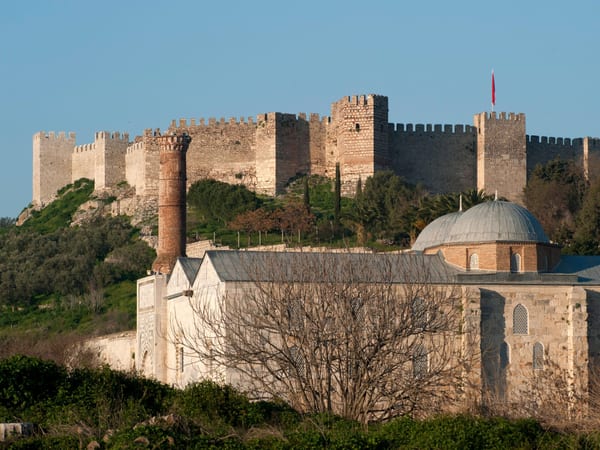 İsa Bey Mosque
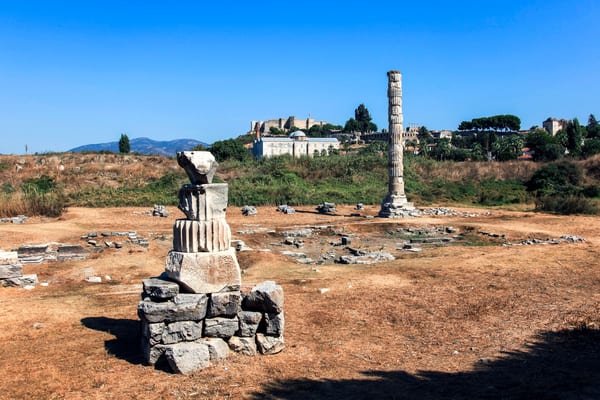 Temple of Artemis

Routes that include this place
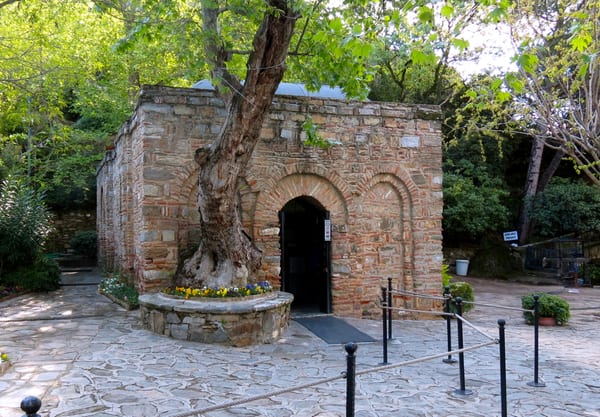
Listen as you walk
Guide & Travel starts the story by itself when you reach the place, and it works offline too.
Photos (5)
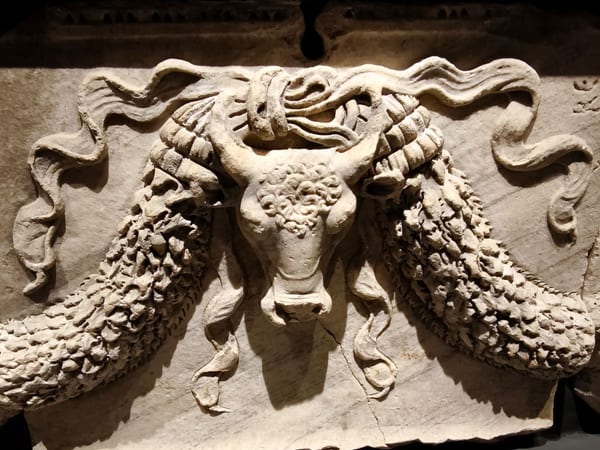
- Ephesus Museum — Photo: Ozlmktv · CC BY-SA 4.0 · Wikimedia Commons (cropped)
- Ayasuluk Hill and the Basilica of St. John — Photo: Klaus-Peter Simon · CC BY 3.0 · Wikimedia Commons (edited)
- İsa Bey Mosque — Photo: Dosseman · CC BY-SA 4.0 · Wikimedia Commons (cropped)
- Temple of Artemis — Photo: Roy Egloff · CC BY-SA 4.0 · Wikimedia Commons (colour corrected)
- House of the Virgin Mary — Photo: Erik Cleves Kristensen · CC BY 2.0 · Wikimedia Commons (edited)


