Pergamon Acropolis
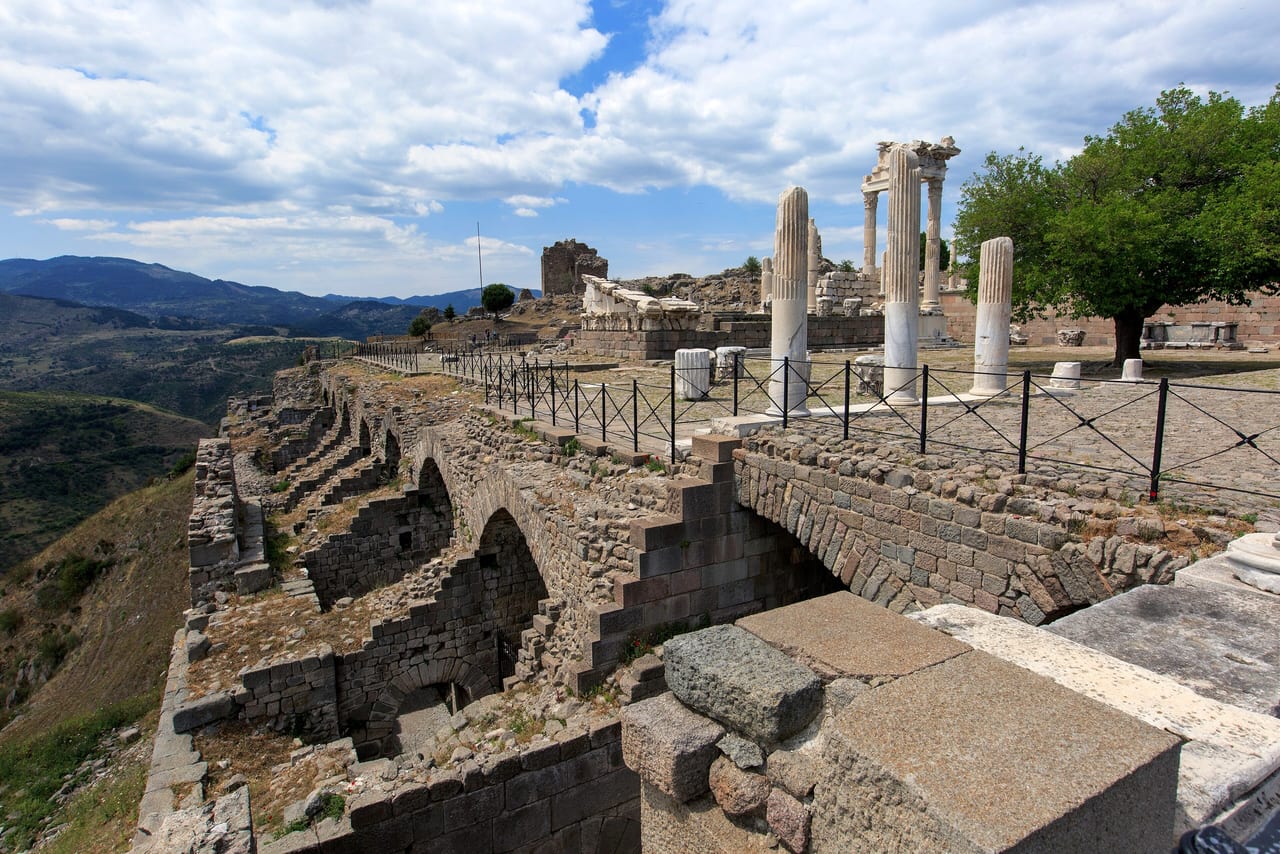
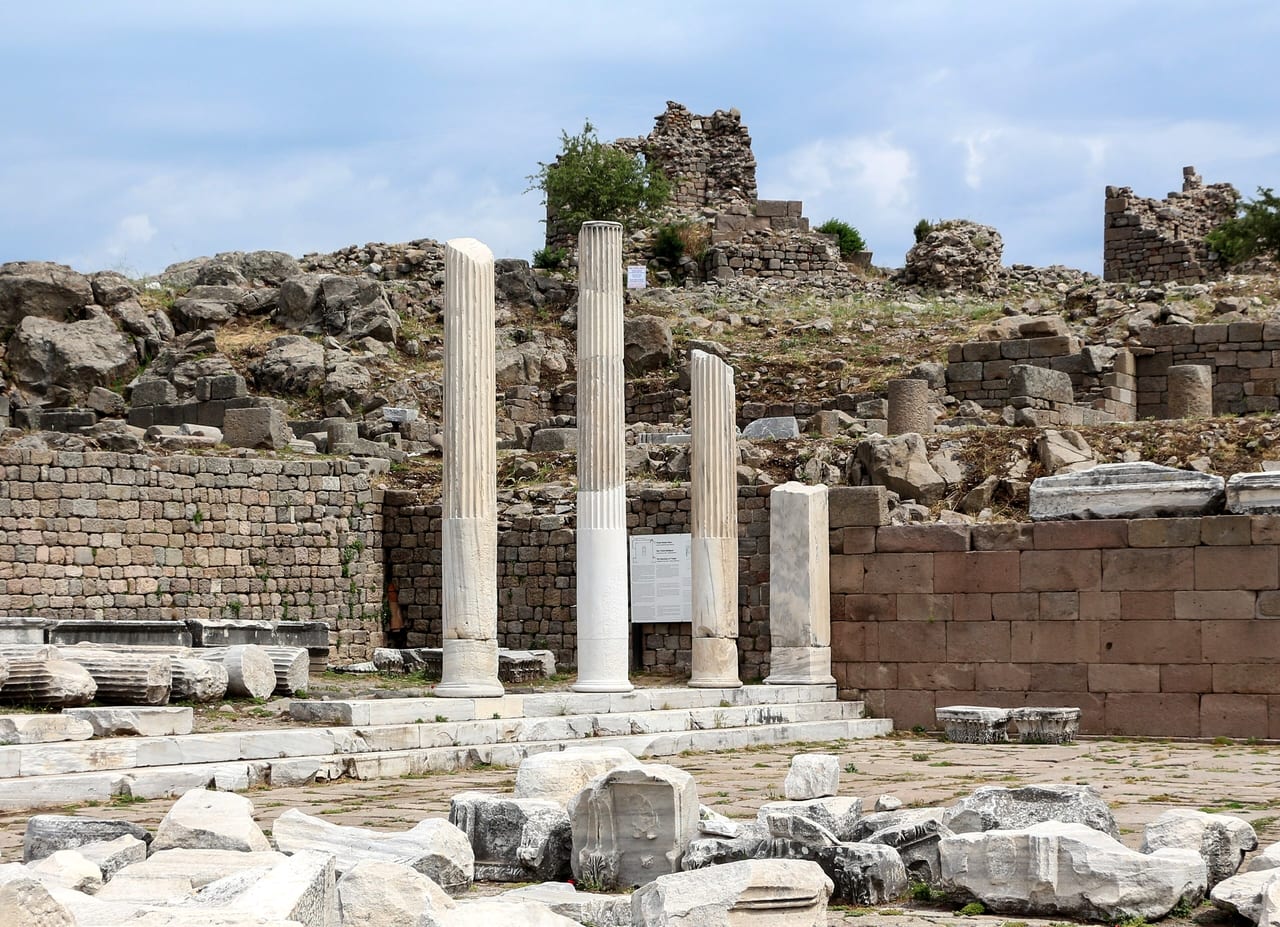
High above Bergama on the summit of Kale Dağı, the capital of a Hellenistic kingdom: with its palaces, library, steep theater and the site of the Altar of Zeus, taken to Berlin, a UNESCO World Heritage Site.
On July 21, 1879, Carl Humann climbed this hill with his wife and a guest. In his memoirs, he writes that as they went up, seven eagles circled in the sky, and he took it as a sign of great luck.Listen to the rest in the app
A fortress becomes a kingdom
North of Bergama, Kale Dağı, about 365 meters above sea level, had been settled since the Archaic period and was used as a strong fortress by the late 4th century BC. The Kingdom of Pergamon, founded here from the early 3rd century BC, ruled much of western Anatolia for some 150 years, and the city became one of the most brilliant cultural centers of the Hellenistic world. In 133 BC the last king, Attalus III, bequeathed his kingdom to Rome; Pergamon kept growing as an important center of the province of Asia. The city had about 160,000 inhabitants in the 2nd century AD.
A city built on terraces
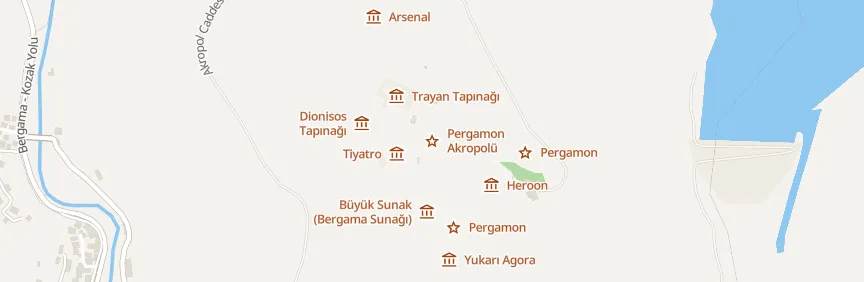
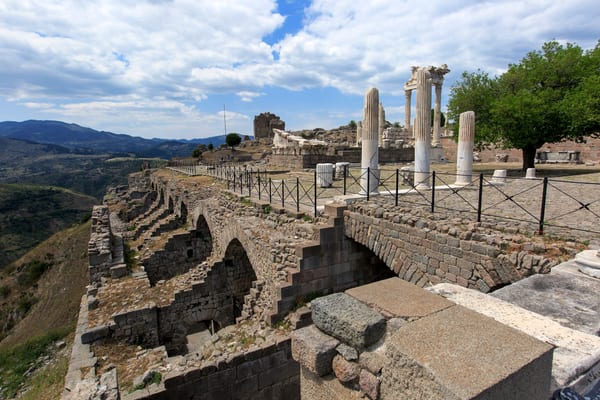
Because flat ground was hard to find on the steep slopes, buildings were set on terraces carried by vaulted substructures. At the top stood the royal palaces, the sanctuary of Athena, the Temple of Trajan and the library, with arsenals and storehouses at the northern tip of the hill. On the western slope lay a steep theater, with the Temple of Dionysus on the long terrace below it; farther down were the Altar of Zeus and the upper agora. Over time the city spread from the slope onto the plain, but the acropolis remained inhabited in the Byzantine period.
From underground to Berlin
In 1869 the German road engineer Carl Humann, working on the Bergama–Dikili road, became interested in the city's ruins through carved stones brought in by workers. The main excavations on the acropolis took place in 1878–1886, and the pieces of the Altar of Zeus were taken to Berlin and reassembled there. Later excavations were taken on by the German Archaeological Institute. In 2014 Pergamon was inscribed on the UNESCO World Heritage List as a cultural landscape.
Practical information
- Getting there: From the center of Bergama, by road or by cable car up to the acropolis.
- Admission: For current prices and MüzeKart validity, see the official website.
- Opening hours: daily 08:30–17:30; ticket office closes at 17:00. Hours vary by season; check the official website for current times.
- Suggested time: 2–3 hours.
- Status: open.
Where
Nearby places
 Red Basilica
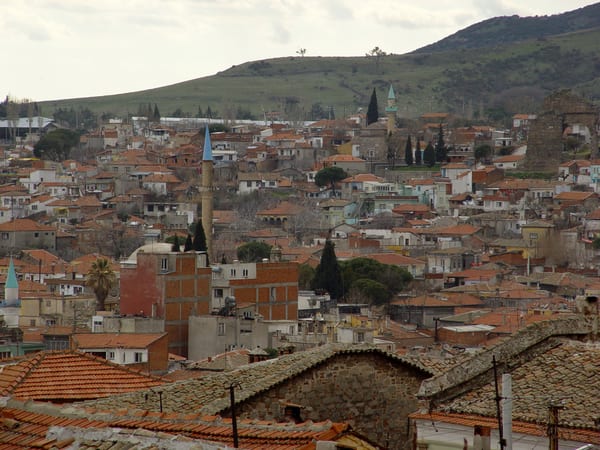 Bergama Historic Center
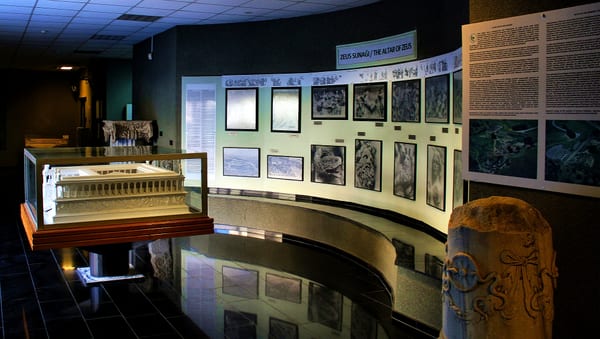 Bergama Museum
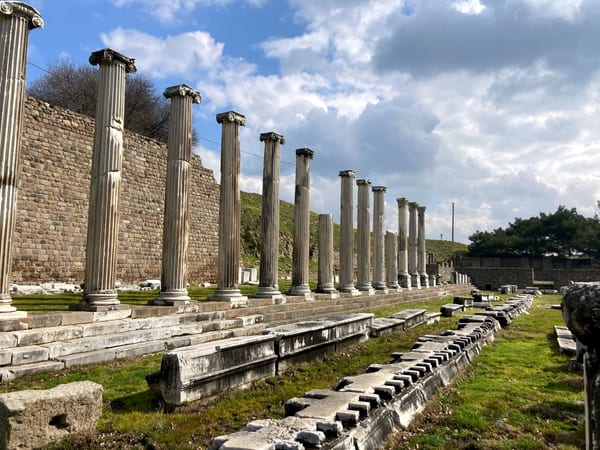 Asklepion

Routes that include this place
Listen as you walk
Guide & Travel starts the story by itself when you reach the place, and it works offline too.
Photos (5)
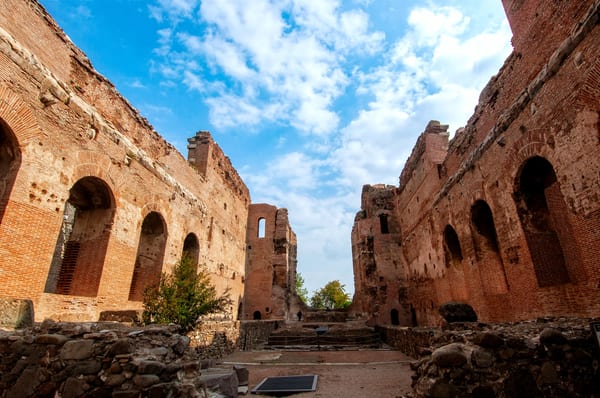
- Red Basilica — Photo: Arif miletli · CC BY-SA 4.0 · Wikimedia Commons (colour corrected)
- Bergama Historic Center — Photo: Dosseman · CC BY-SA 4.0 · Wikimedia Commons (colour corrected)
- Bergama Museum — Photo: Fatih Renkligil · CC BY-SA 4.0 · Wikimedia Commons (colour corrected)
- Asklepion — Photo: Ayratayrat · CC BY-SA 4.0 · Wikimedia Commons (colour corrected)
- Pergamon Acropolis — Photo: Marmaracalypso · CC BY-SA 4.0 · Wikimedia Commons (colour corrected)


