Bergama Historic Center
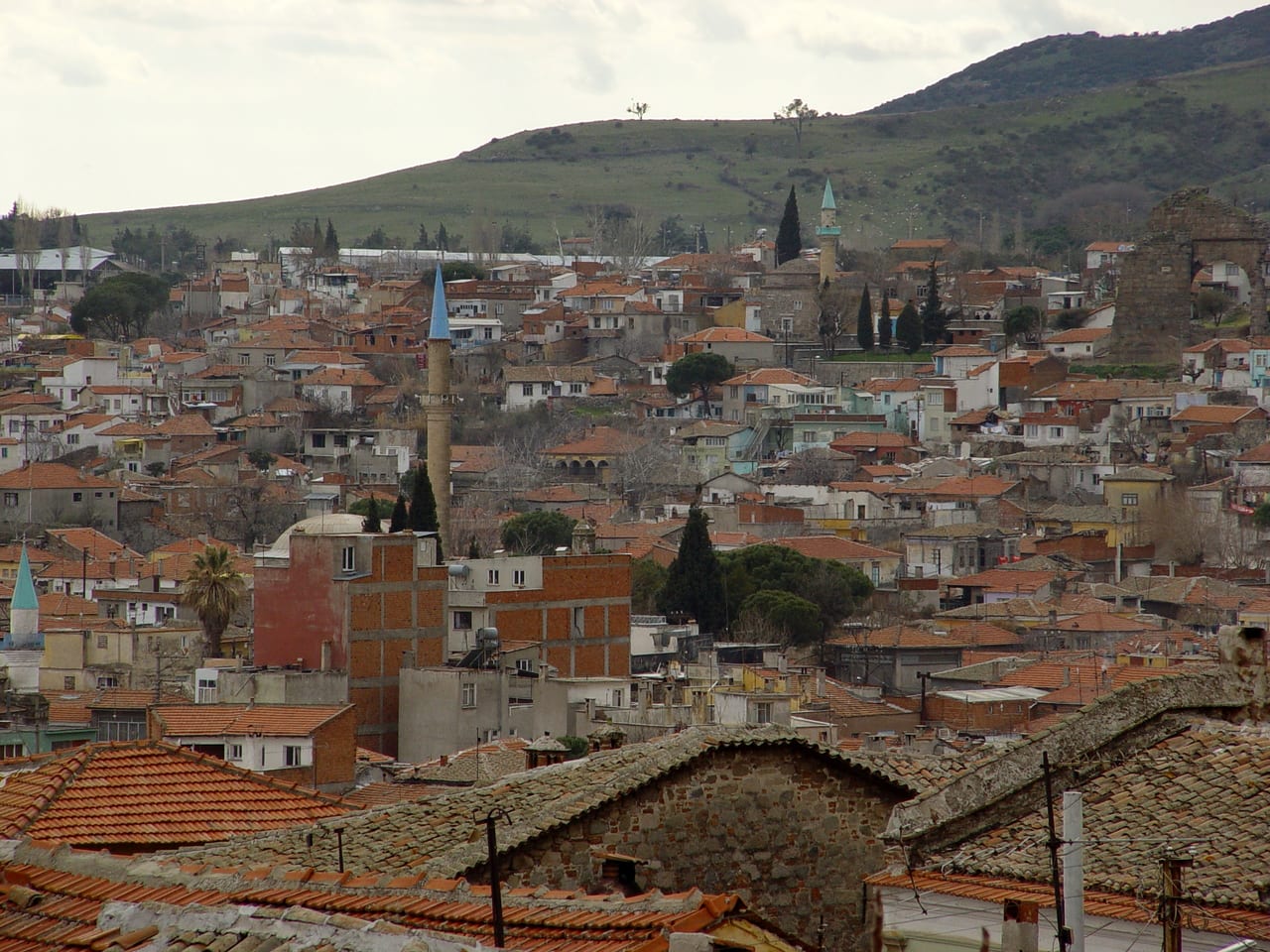
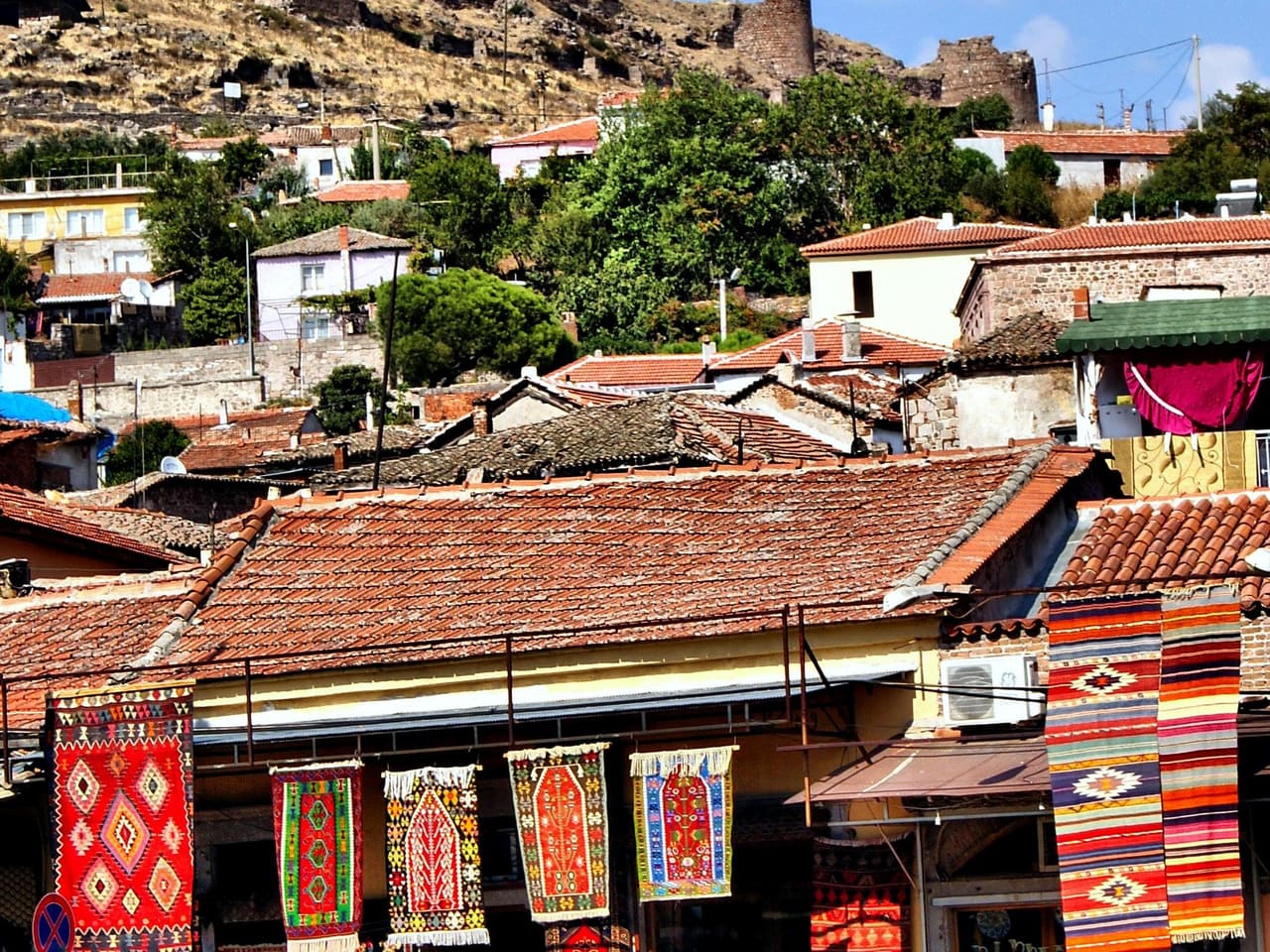
The Ottoman town at the foot of the acropolis, spread along both banks of the Selinus River: Ulu Camii (the Great Mosque), the Kurşunlu Mosque, market streets, hans and baths.
A morning in the 16th century, and the stalls of the Bergama bazaar are opening. Cotton brought in from the surrounding villages is woven here, and the cloth goes on sale in the bedesten.Listen to the rest in the app
From castle to plain
Bergama lies on the northern edge of the Bakırçay plain, at the foot of the hill crowned by the acropolis. Abandoned by the Byzantines in 1302, the town soon passed to the Karesids and joined the Ottoman lands probably shortly after 1341. Ibn Battuta, who came to Bergama in 1333, wrote that the town was in ruins but that its castle was extremely strong. Under Turkish rule the town spread down from the hill onto the plain and revived.
Centuries of the bazaar
In the 16th century Bergama had at least 350 shops, most of them endowed to pious foundations, along with a bedesten, three hans, four baths and a caravanserai; cotton grown nearby was woven here and sold in the bedesten. In the 18th century, under the Araboğulları and, after 1775, the Karaosmanoğulları, the Çınarlı Bath, a six-domed bedesten, the Katır Han and fine mansions were built. According to Katip Çelebi's Cihannüma, one neighborhood, built over an old water channel with empty space beneath it, was called "neither on the ground nor in the sky." The fire of 1853 burned down the whole bazaar, destroying 400 shops, 200 houses and five hans. In the late 19th century the town had a covered bazaar of 40 shops, and silk thread, cotton weaving, leatherwork and the salt trade were its livelihood.
[spot: "Neither on the ground nor in the sky"]
What you see today
Foremost among the surviving Turkish-era buildings are Ulu Camii (the Great Mosque), built by Sultan Bayezid I in 1398–1399, and the Kurşunlu Mosque, built in 1435 according to its inscription. The Selçuk Minaret, its shaft decorated with glazed brick, the Küplü Bath of 1427, the Çukurhan and the Çizmeciler Arasta are also highlights of the historic center. Of the 40 or so shops once lined up facing each other in front of the Çukurhan and known as the covered bazaar, only eight still stand.
Practical information
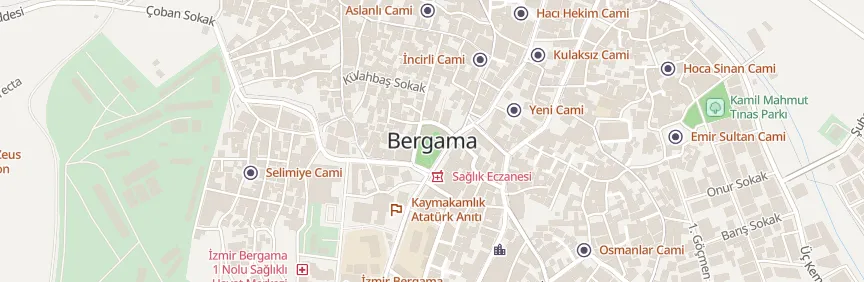
- Getting there: central Bergama; the buildings lie on both banks of the Selinus (Bergama) River and are explored on foot.
- Admission: the historic center is free; the mosques are places of worship.
- Suggested time: 1.5–2 hours.
- Status: open (inhabited town).
[bilgi: Access to the mosques may be limited at prayer times. Shoes are removed on entering, women cover their hair, and clothing covering shoulders and knees is preferred.]
Where
Nearby places
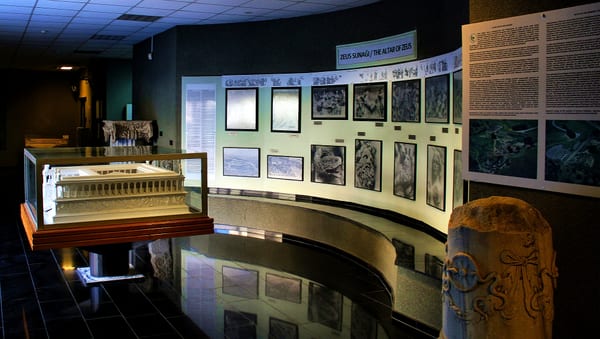 Bergama Museum
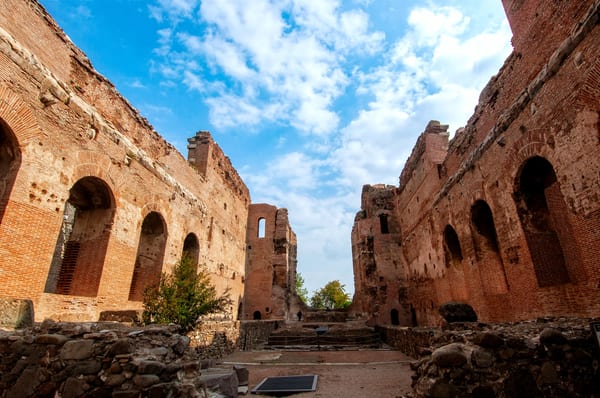 Red Basilica
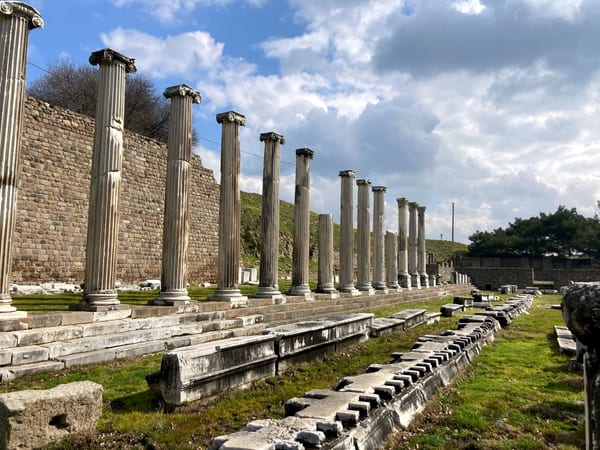 Asklepion
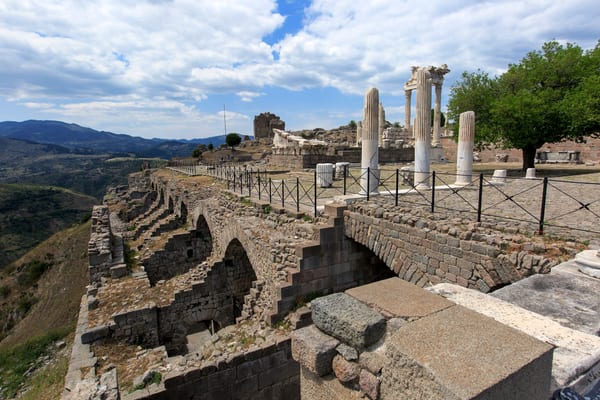 Pergamon Acropolis

Listen as you walk
Guide & Travel starts the story by itself when you reach the place, and it works offline too.
Photos (4)
- Bergama Museum — Photo: Fatih Renkligil · CC BY-SA 4.0 · Wikimedia Commons (colour corrected)
- Red Basilica — Photo: Arif miletli · CC BY-SA 4.0 · Wikimedia Commons (colour corrected)
- Asklepion — Photo: Ayratayrat · CC BY-SA 4.0 · Wikimedia Commons (colour corrected)
- Pergamon Acropolis — Photo: Marmaracalypso · CC BY-SA 4.0 · Wikimedia Commons (colour corrected)


