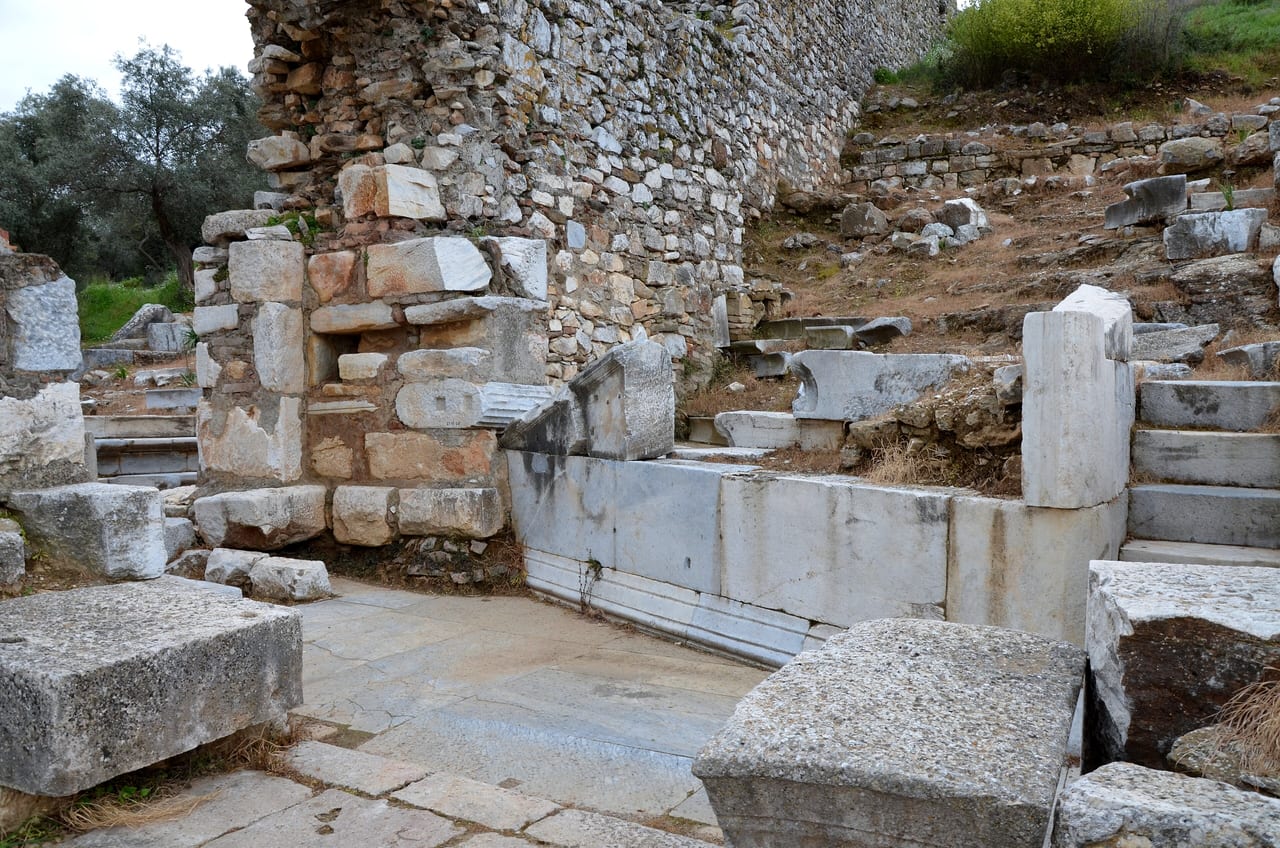
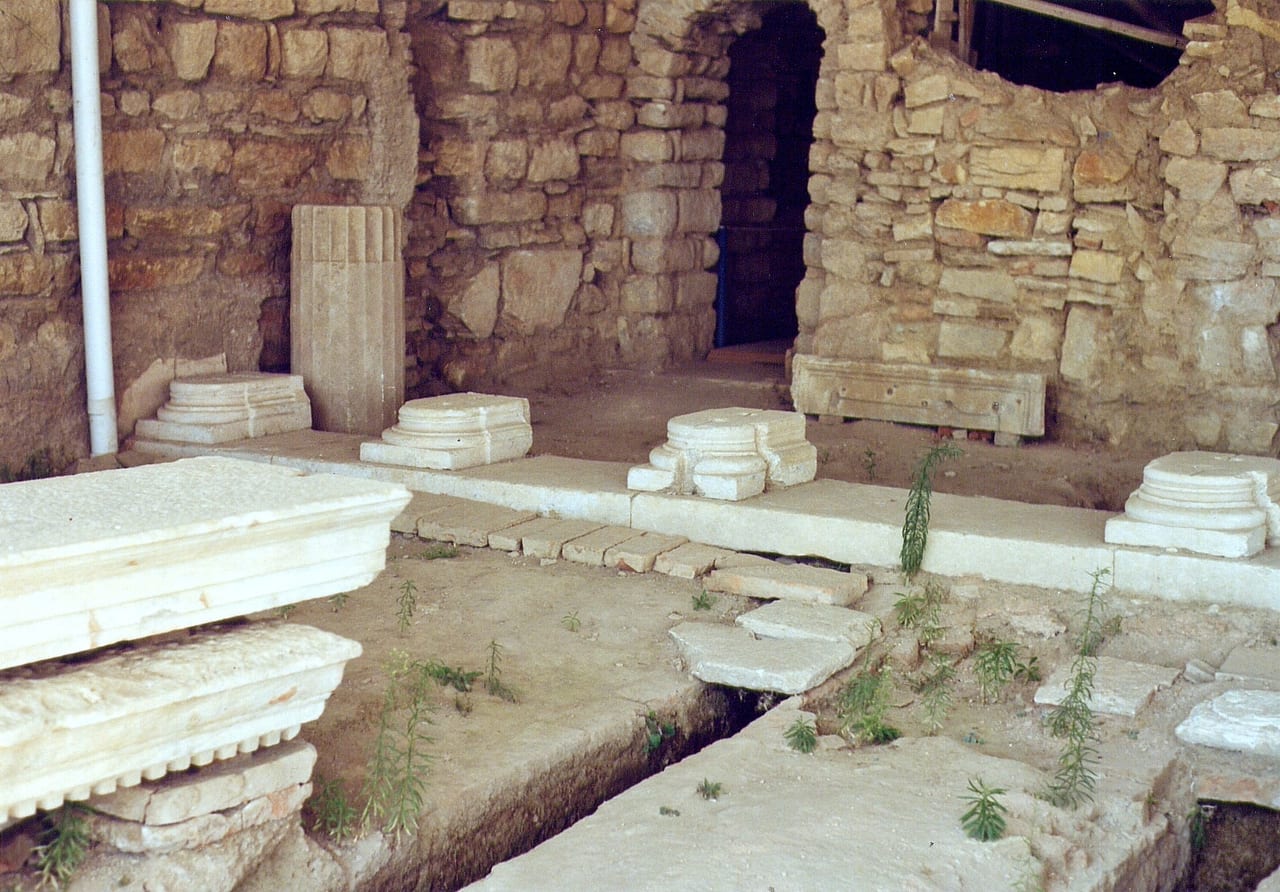
Metropolis Ancient City
The "city of the mother goddess" on a hill above the Küçük Menderes plain in Torbalı, with a Hellenistic theater, a council house and a stoa bearing the names of its donors.
The seats of the theater were built of stone in the 2nd century BC, in the Hellenistic period, and held about 4,000 people.Listen to the rest in the app
City of the mother goddess
Metropolis stands on a hill in Torbalı, between the villages of Yeniköy and Özbey, overlooking the fertile plain of the Küçük Menderes. Its name means "city of the mother goddess," and it was named after Meter Gallesia, the mother goddess of Mount Gallesion, against which the city rests. It lay on the ancient road between Smyrna and Ephesus, and Strabo counts it among the famous wine centers of the Aegean. Settlement on the acropolis hill goes back to around 3000 BC; excavations have found Early Bronze Age material and a seal from the Hittite period.
[spot: "City of the mother goddess"]
A Hellenistic golden age
The city flourished above all in the 3rd century BC, in the Hellenistic period, when monumental public buildings such as the stoa, the theater and the council house were built. Strong walls around the acropolis enclose an area of about 16,000 square meters. The theater, which held about 4,000 people, was given a marble floor in the Roman period, and its stage building was enlarged. The square council house, built in the mid-2nd century BC, seated 350 people. On the front columns of the stoa, carried by two rows of Doric columns, are written the names of the wealthy citizens who paid for its construction.
From bishopric to Torbalı
After coming under Roman rule in 133 BC, the city grew with baths, a gymnasium and wealthy houses; on the southern slope of the theater, a Roman house with colorful wall plaster and a peristyle courtyard has been uncovered. In the Byzantine period Metropolis became the seat of a bishop and shrank, and in the 13th century a castle was built that damaged the stoa and the council house. Under the Aydınids in the 14th century, the settlement finally moved to present-day Torbalı. Excavations began in 1989 under Recep Meriç; Serdar Aybek later took over as excavation director.
Practical information
- Location: Torbalı, between the villages of Yeniköy and Özbey; 12 km from the town center.
- Admission: free.
- Opening hours: daily 08:30–17:30; ticket office closes at 17:00. Hours vary by season; check the official website for current times.
- Suggested time: 1.5 hours.
- Status: open.
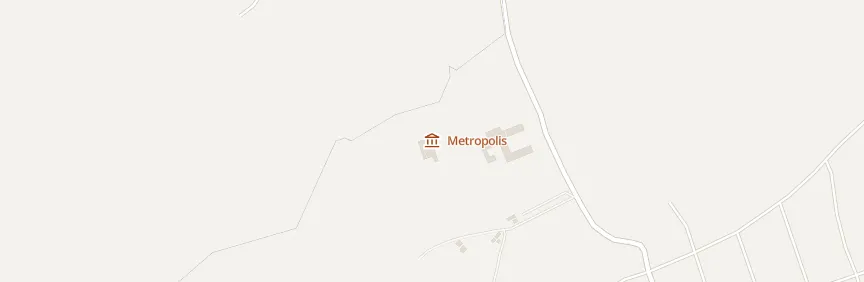
Where
Nearby places
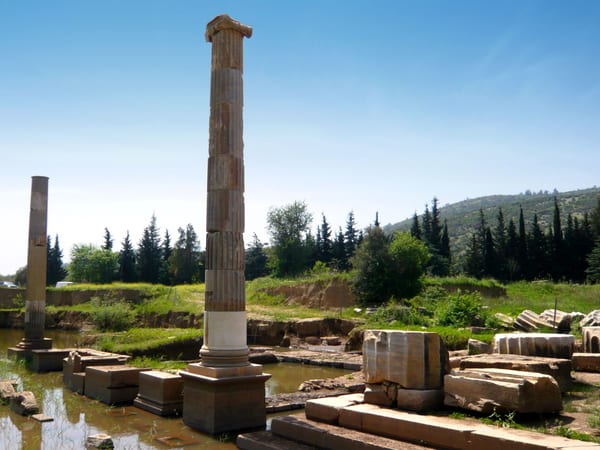 Claros Archaeological Site
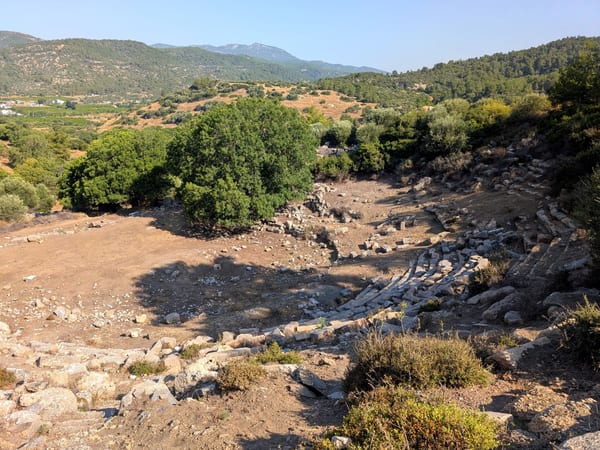 Notion Ancient City
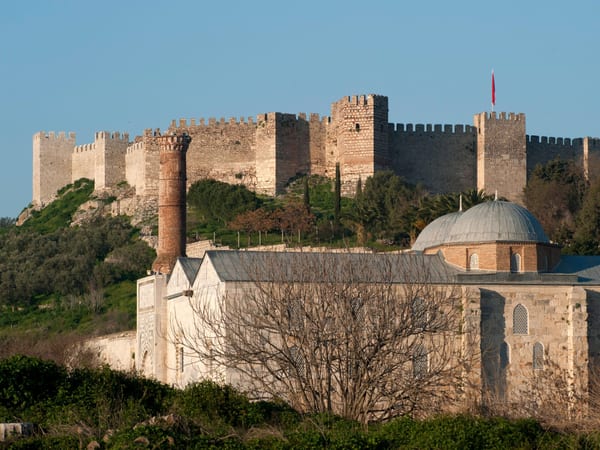 İsa Bey Mosque
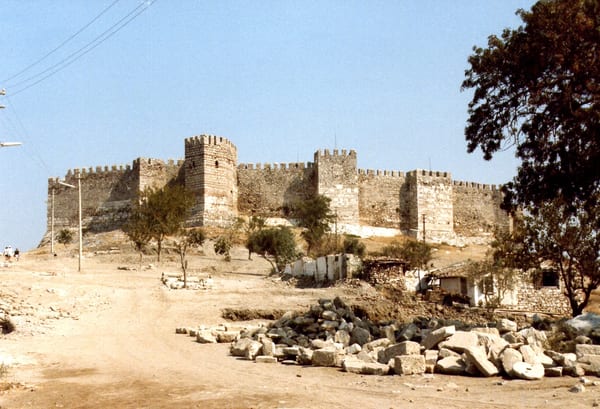 Ayasuluk Hill and the Basilica of St. John

Listen as you walk
Guide & Travel starts the story by itself when you reach the place, and it works offline too.
Photos (4)
- Claros Archaeological Site — Photo: Nikater · CC BY-SA 4.0 · Wikimedia Commons (cropped)
- Notion Ancient City — Photo: Isabeau · CC BY-SA 4.0 · Wikimedia Commons (cropped)
- İsa Bey Mosque — Photo: Dosseman · CC BY-SA 4.0 · Wikimedia Commons (cropped)
- Ayasuluk Hill and the Basilica of St. John — Photo: Klaus-Peter Simon · CC BY 3.0 · Wikimedia Commons (edited)


