Claros Archaeological Site
Apollo's oracle near Ahmetbeyli, in Menderes: the only Doric temple in Ionia, colossal cult statues and a sacrificial altar.
Among these stones, there was once a room where water rose from the ground. The prophet fasted there for a day or two, then broke the fast with the sacred water.Listen to the rest in the app
Apollo's oracle
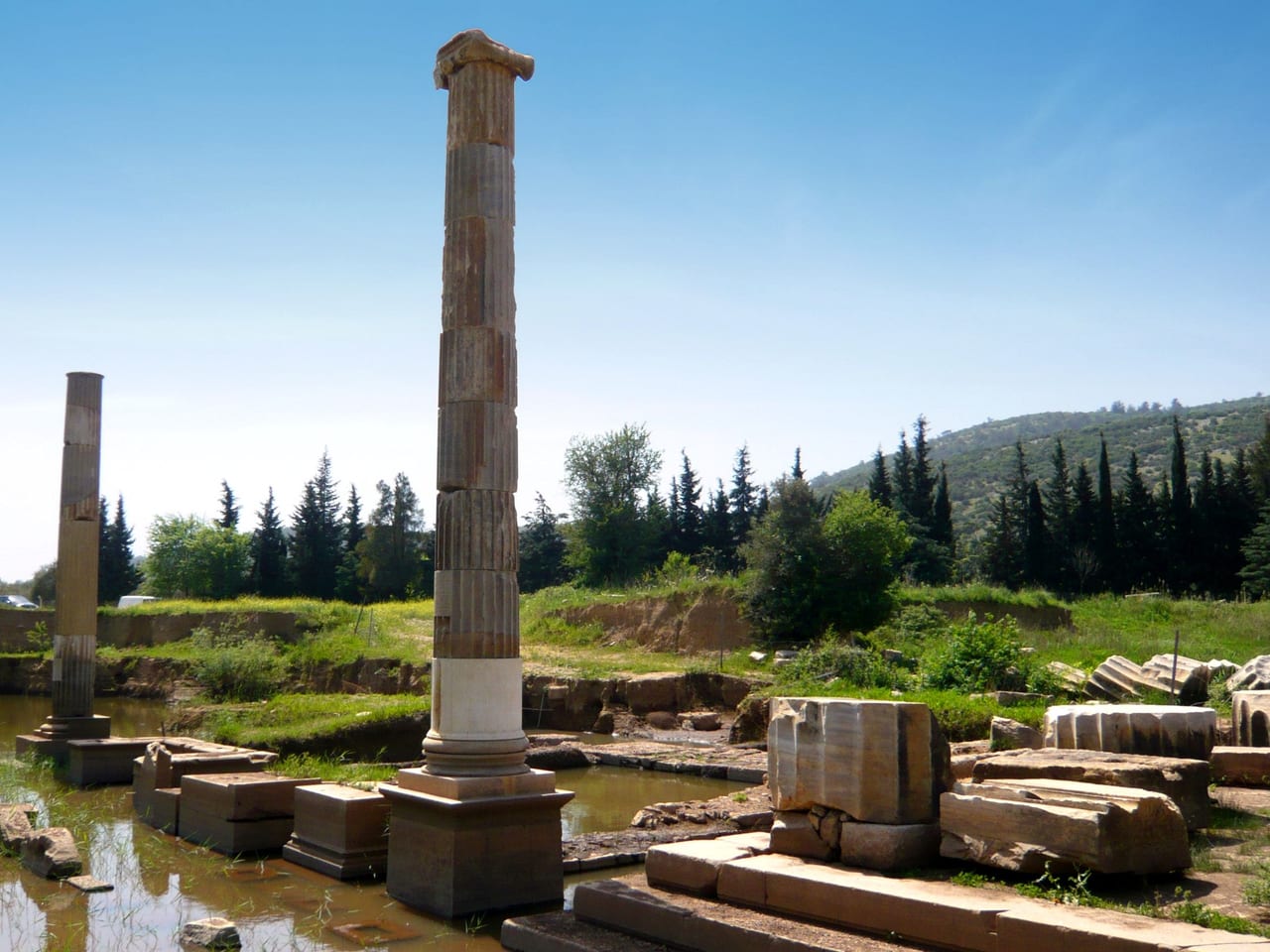
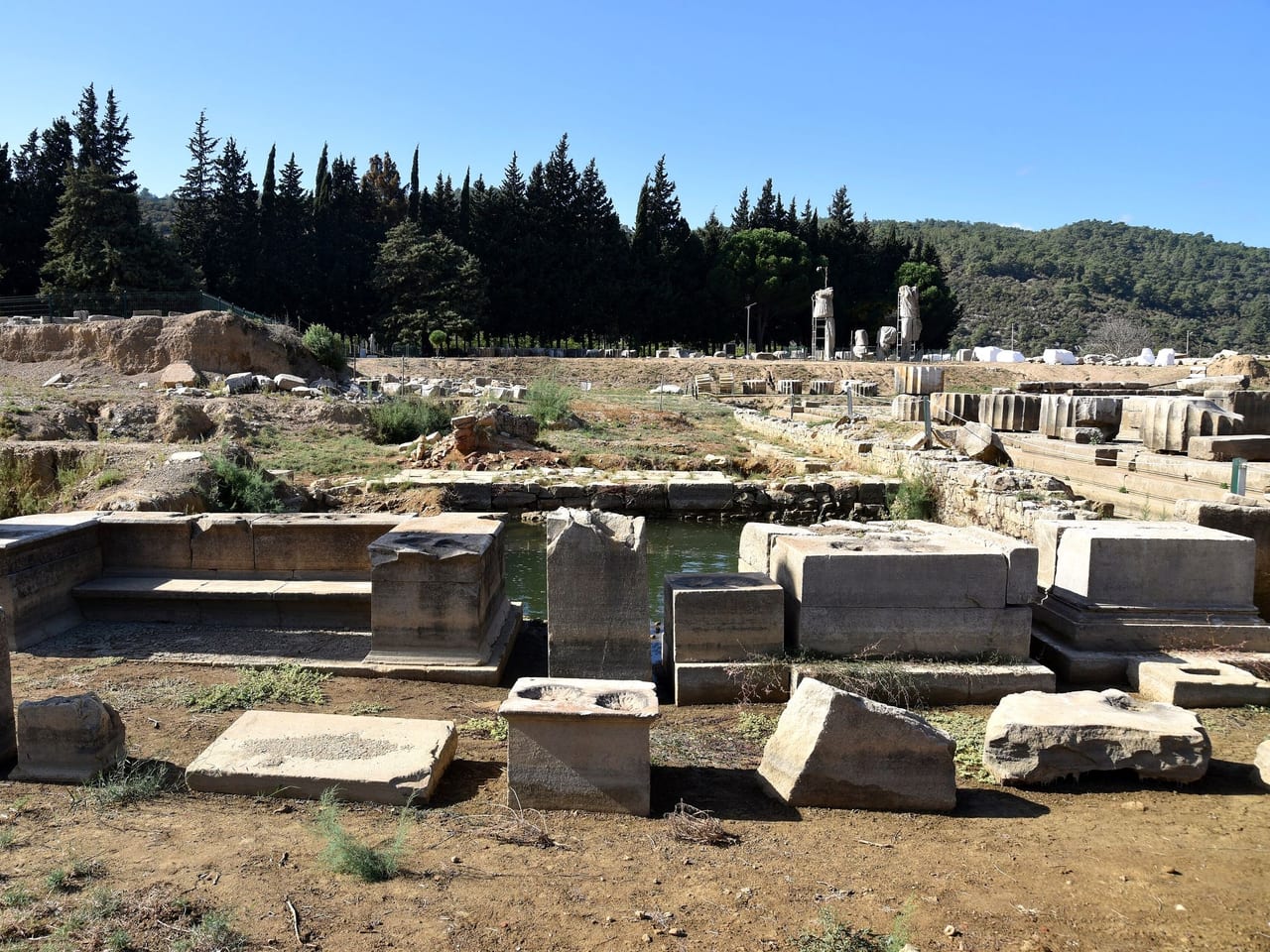
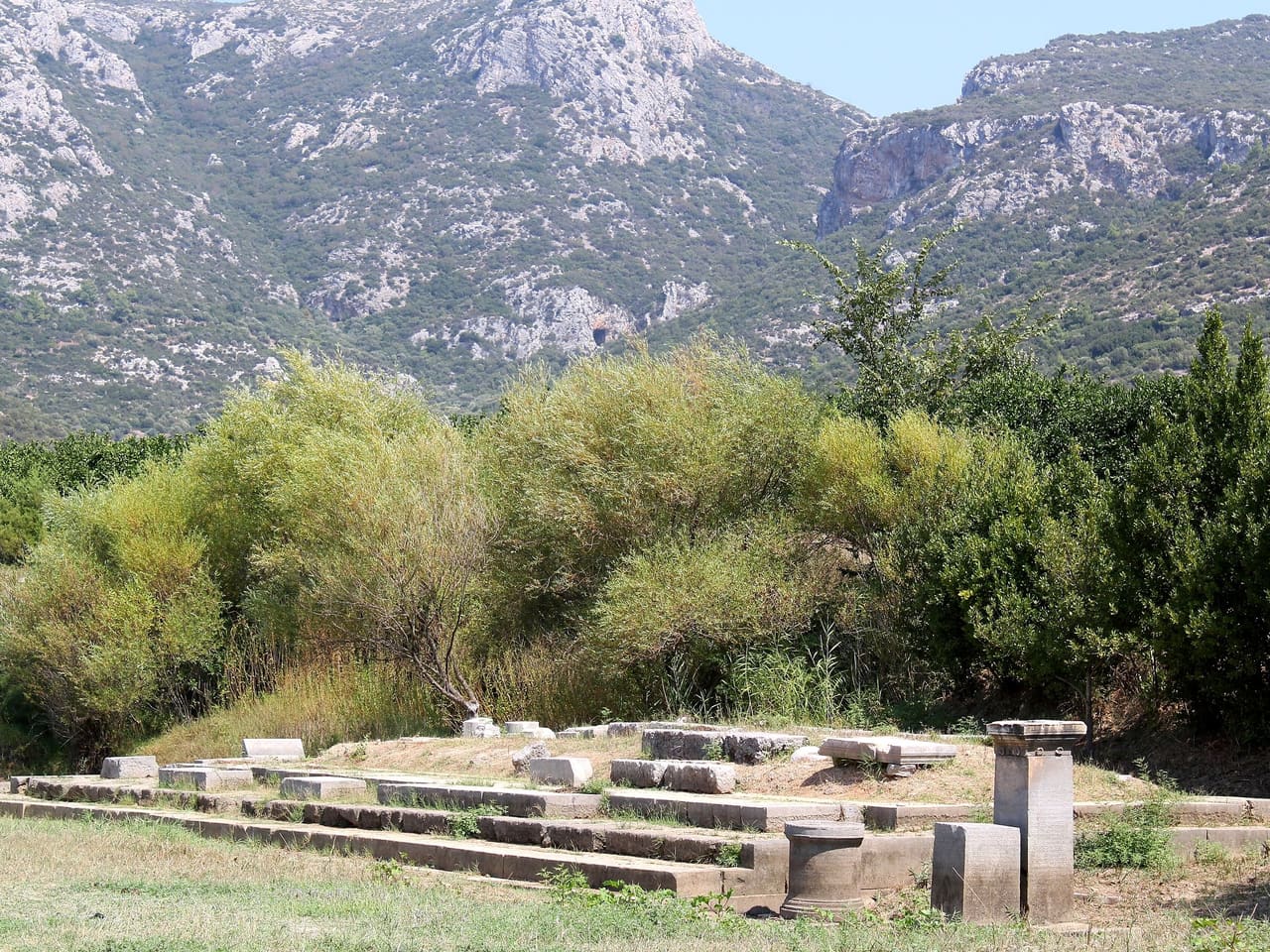
Claros is a sanctuary near the Ahmetbeyli district of Menderes, on the silted-up floor of the Ales valley. From its founding at the end of the 13th century BC until it was abandoned in the 4th century AD, it served as an oracle. It was one of the three most important oracles of the ancient world, together with Delphi and Didyma. Tradition holds that Smyrna also consulted the oracle about Alexander the Great's dream on Mount Pagos.
Prophecy by water
The sanctuary was built over water rising from a fault line, and prophecy at Claros was done with this water. The prophet fasted for 24 or 48 hours in the spring chamber, put the priest's whispered question to the god and told the answer to the priest outside; answers to questions from cities were written down and set up in front of the temple. Carl Schuchhardt located the site in 1886; in 1907, a single column visible above the silt guided the first test trenches. Excavations have taken place in four phases; the fourth began in 2001 under Nuran Şahin of Ege University.
Temple and statues
The Temple of Apollo is the only Doric temple built in Ionia; work began in the early 3rd century BC, and its steps, porch, inner chamber and colossal cult statues were completed in the late 2nd century BC. The statues of Apollo, Artemis and Leto, about 8 meters tall, were found in place, and Claros is unique in having inscriptions even on the temple steps. On the Hellenistic altar near the temple, 9 by 18 meters, stood two sacrificial tables, one for Apollo and one for Dionysus. A row of blocks for tying 100 sacrificial animals, a hecatomb, is the first archaeological evidence of this rite.
Practical information
- Getting there: Işıklı Klaros Street, Ahmetbeyli district, Menderes.
- Admission: free; check official sources before you go.
- Opening hours: daily 08:30–17:30; ticket office closes at 17:00. Hours vary by season; check the official website for current times.
- Suggested time: 1 hour.
- Status: open.
Where

Nearby places
 Notion Ancient City
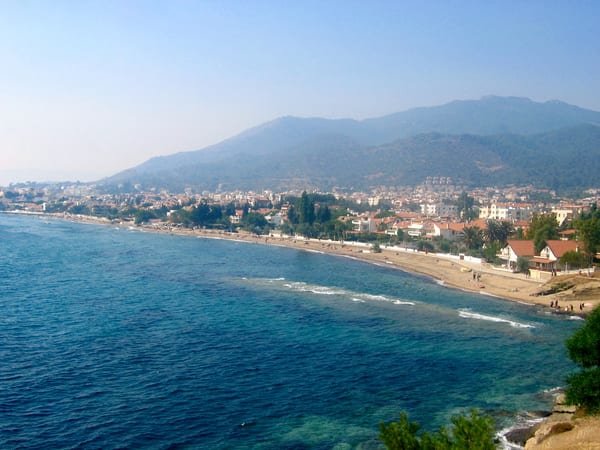 Özdere
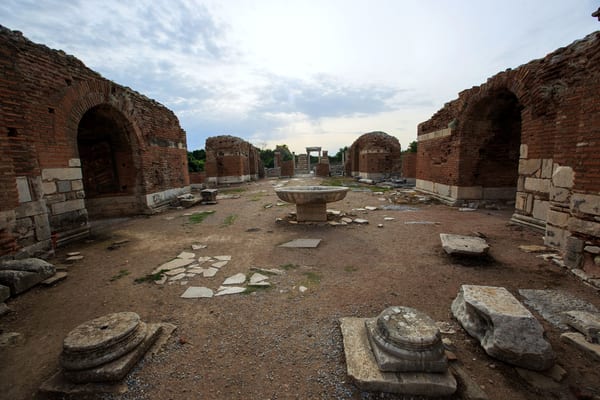 Church of Mary
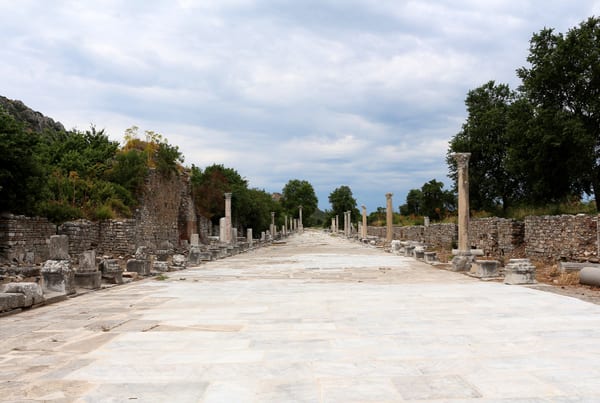 Arcadian Way

Listen as you walk
Guide & Travel starts the story by itself when you reach the place, and it works offline too.
Photos (4)
- Notion Ancient City — Photo: Isabeau · CC BY-SA 4.0 · Wikimedia Commons (cropped)
- Özdere — Photo: Nihat1988 · CC BY 3.0 · Wikimedia Commons (colour corrected)
- Church of Mary — Photo: Marmaracalypso · CC BY-SA 4.0 · Wikimedia Commons (edited)
- Arcadian Way — Photo: Bernard Gagnon · CC BY-SA 3.0 · Wikimedia Commons (colour corrected)


