Kyme Ancient City
An ancient harbor city on the shore of Nemrut Bay in Aliağa: the largest of the Aeolian cities and considered one of the earliest cities to mint coins.
How does a city present itself on a coin? The earliest coins of Kyme, on this shore, show a horse's head inside a square frame.Listen to the rest in the app
The largest of the Aeolian cities
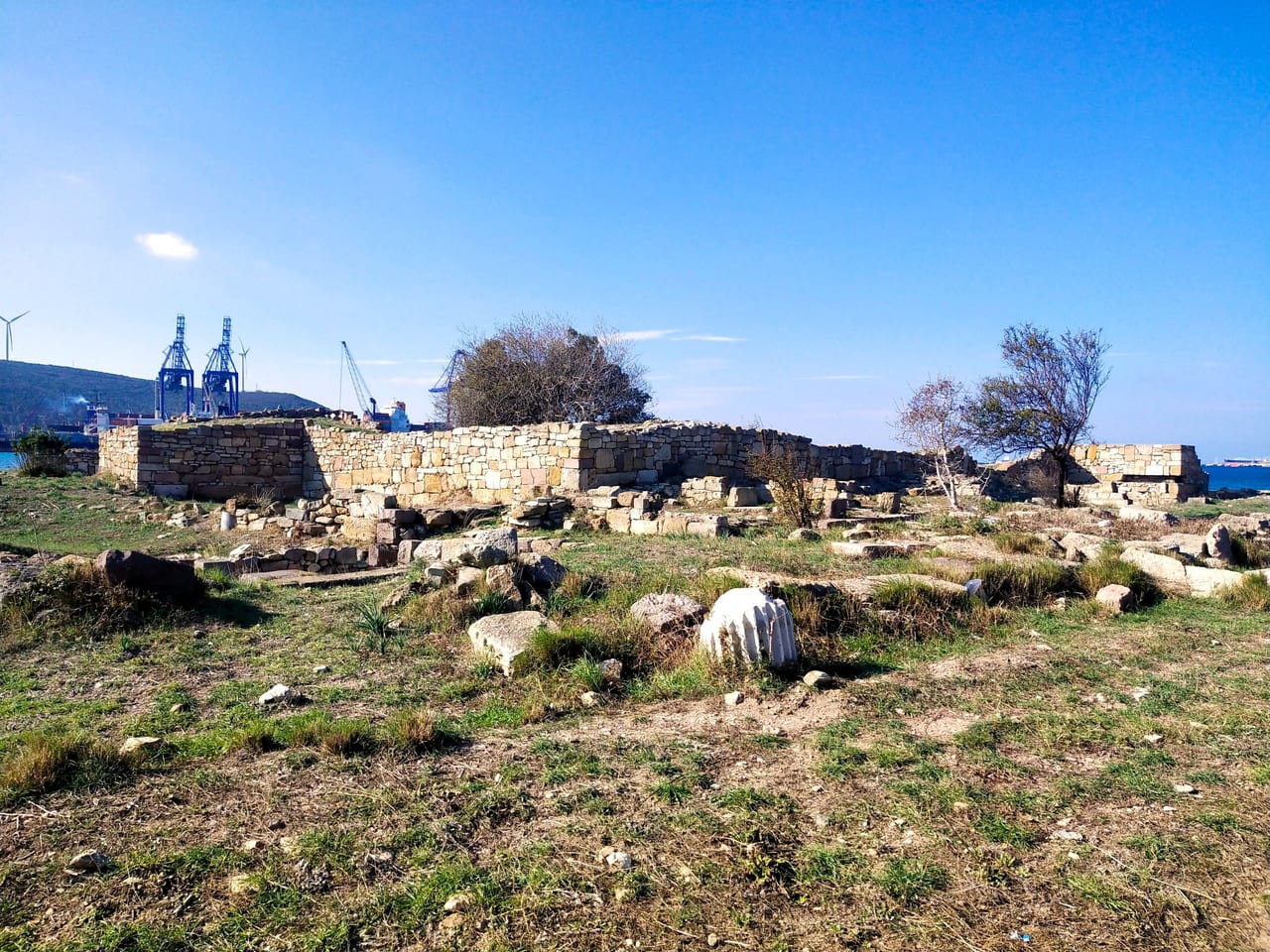
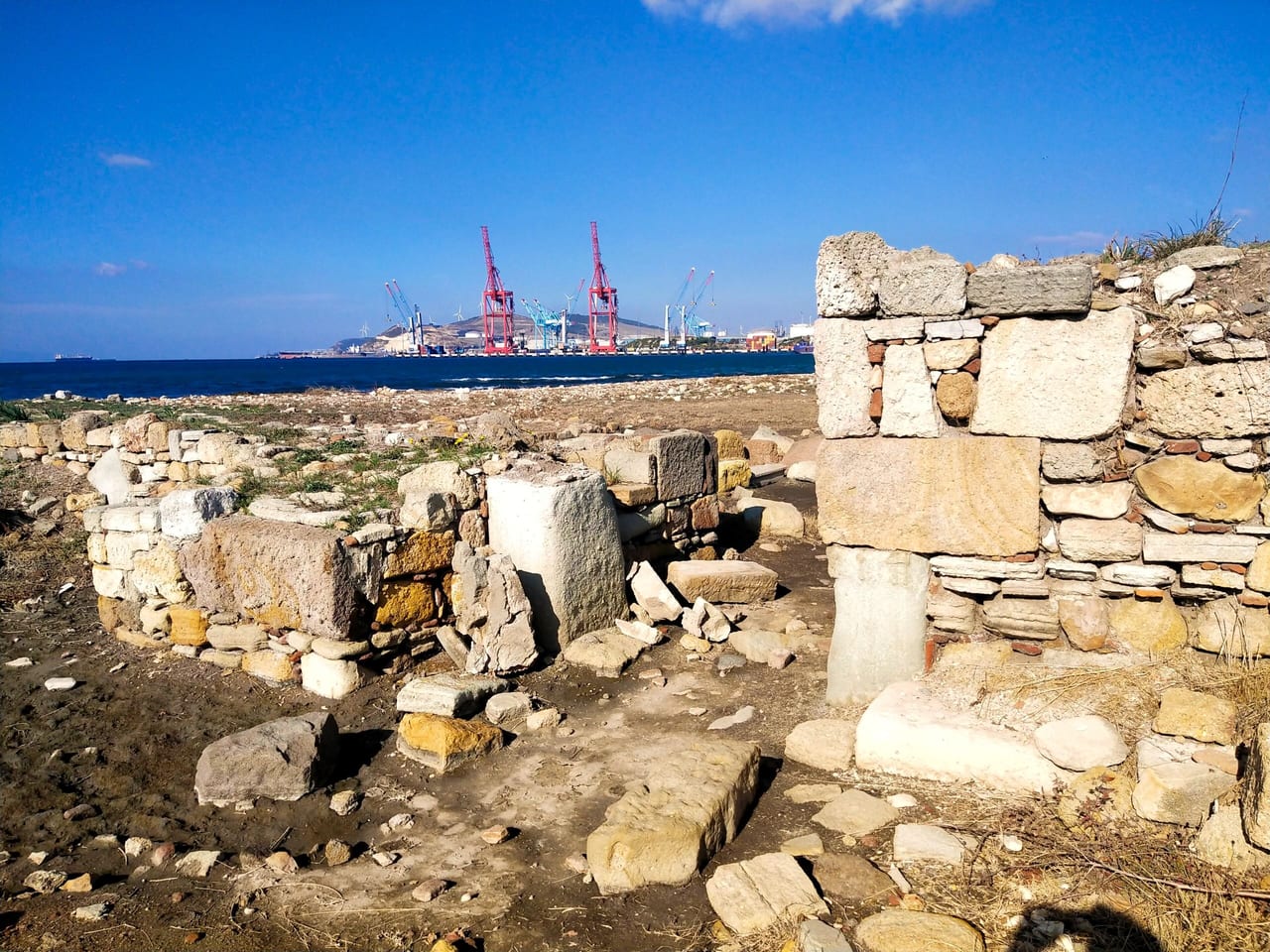
Kyme is an ancient city near Çakmaklı in Aliağa, on the shore of Nemrut Bay, and is considered the largest of the 12 Aeolian cities. Its founding date is not known for certain; it is thought to go back to the 11th century BC. Prominent from the Archaic period thanks to its harbor, Kyme is considered one of the earliest cities to mint coins; its earliest coins show a horse's head inside a square frame. Coins struck in the 4th century BC and an amphora handle bearing the city's emblem show that its trade continued.
Rome and after
The city kept its importance in the Roman period, especially in the first centuries of the empire. Excavations have uncovered an agora, a theater, a hot-water bath, a merchant's house with a cistern, an aqueduct, a colonnaded street and city walls, as well as a wastewater and sewer system. Harbor remains reaching 150 meters into the sea and countless amphora fragments show that the city was a center of maritime trade, and a church from the Byzantine period was also found. Because Kyme's stones were reused in new buildings for centuries, few remains of the famous city have survived.
The story of the excavations
The first research was carried out by Reinach at the end of the 19th century, who found a necropolis and stone sculptures from the Archaic period. The first true excavation was begun in 1925 by Antonín Salač of Charles University in Prague. After 1980 the İzmir Archaeological Museum uncovered the agora and a room with a mosaic floor; from 1982 joint work was carried out with the University of Catania in Italy, and Sebastiana Lagona directed the excavations for many years. In 2008 a team led by Antonio La Marca of the University of Calabria took over the work.
Practical information
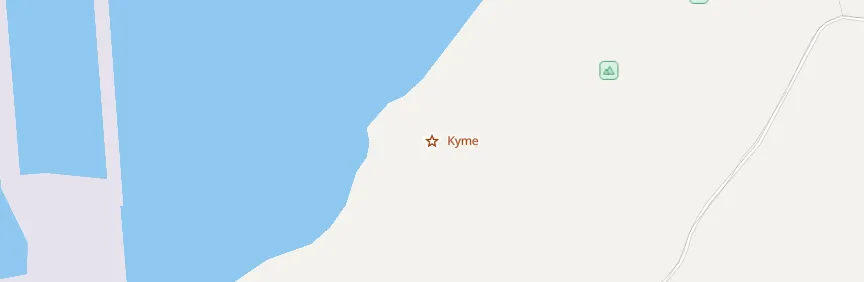
- Location: Aliağa, Çakmaklı; on the shore of Nemrut Bay.
- Suggested time: 45 minutes.
- Status: access restricted.
[bilgi: This is an excavation site; no official visiting hours are published.]
Where
Nearby places
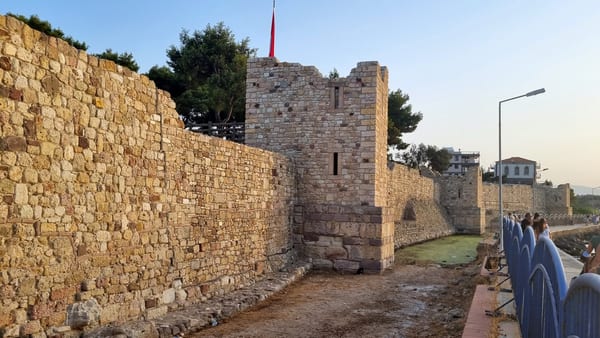 Phokaia Ancient City
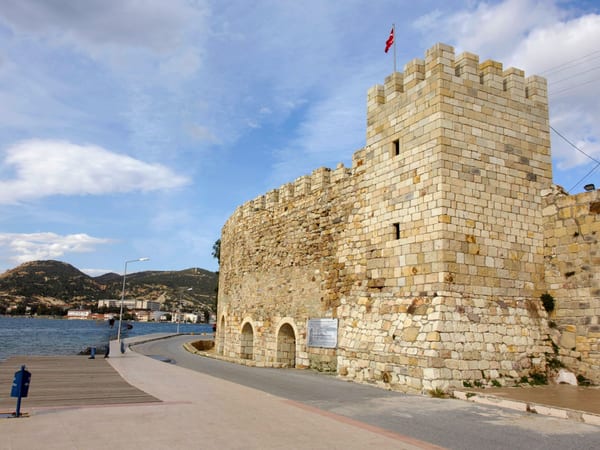 Beşkapılar and Foça Castle
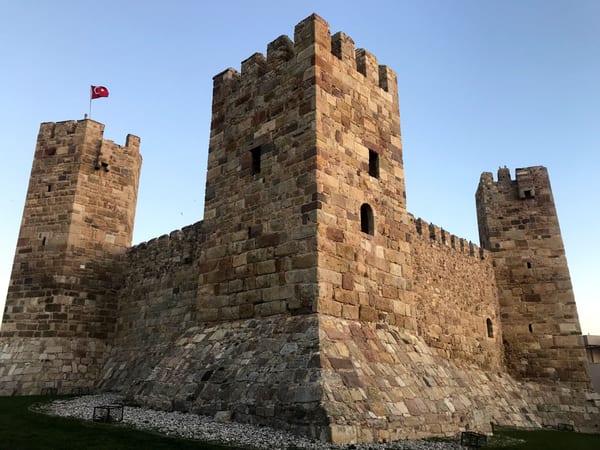 Çandarlı Castle
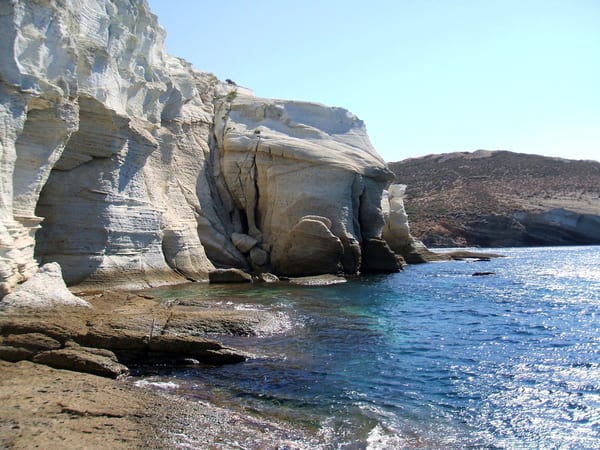 Siren Rocks

Listen as you walk
Guide & Travel starts the story by itself when you reach the place, and it works offline too.
Photos (4)
- Phokaia Ancient City — Photo: Eudessa · CC BY-SA 4.0 · Wikimedia Commons (colour corrected)
- Beşkapılar and Foça Castle — Photo: Dosseman · CC BY-SA 4.0 · Wikimedia Commons (edited)
- Çandarlı Castle — Photo: BSRF · CC BY-SA 4.0 · Wikimedia Commons (colour corrected)
- Siren Rocks — Photo: Hakan SAVAŞ78 · CC BY 3.0 · Wikimedia Commons (colour corrected)


