Topkapı Palace
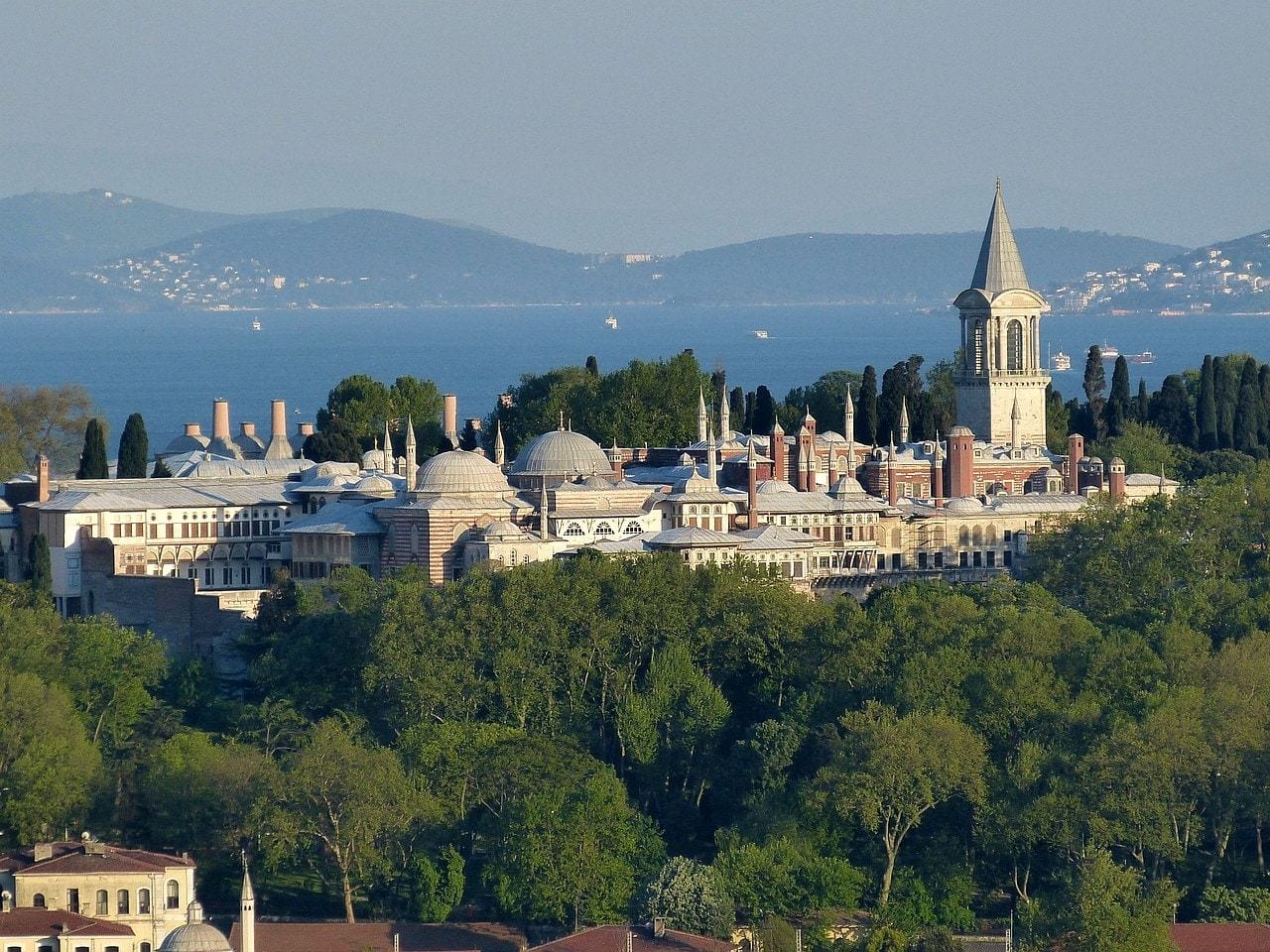
The palace Mehmed II built on Seraglio Point: three monumental gates and four courtyards, the Imperial Council Hall, the Harem, the Treasury, the Holy Relics, and kiosks overlooking the Golden Horn.
Everyone knows this palace as Topkapı, yet for centuries it never heard that name. It was called the New Palace.Listen to the rest in the app
From the New Palace to a museum
Topkapı Palace stands on the hill at Seraglio Point, at the tip of the Historic Peninsula. After taking İstanbul in 1453, Mehmed II first built the Old Palace in Beyazıt and then the New Palace here; the inscription on the main gate, the Bâb-ı Hümayun, bears the date 1478. The name Topkapı comes from the Top Kapısı shore palace, built on the waterfront and destroyed by fire in the 19th century. Until the 19th century the palace was the seat of government and the home of the dynasty. The dynasty moved to Dolmabahçe Palace in 1856, but ceremonies such as holiday receptions and the reception of envoys were held here for some time. The palace became a museum on April 3, 1924; since 2019 it has been run by the Presidency of National Palaces. It was included in the Historic Areas of İstanbul, a UNESCO World Heritage Site, in 1985.
Gates, courtyards, and kiosks
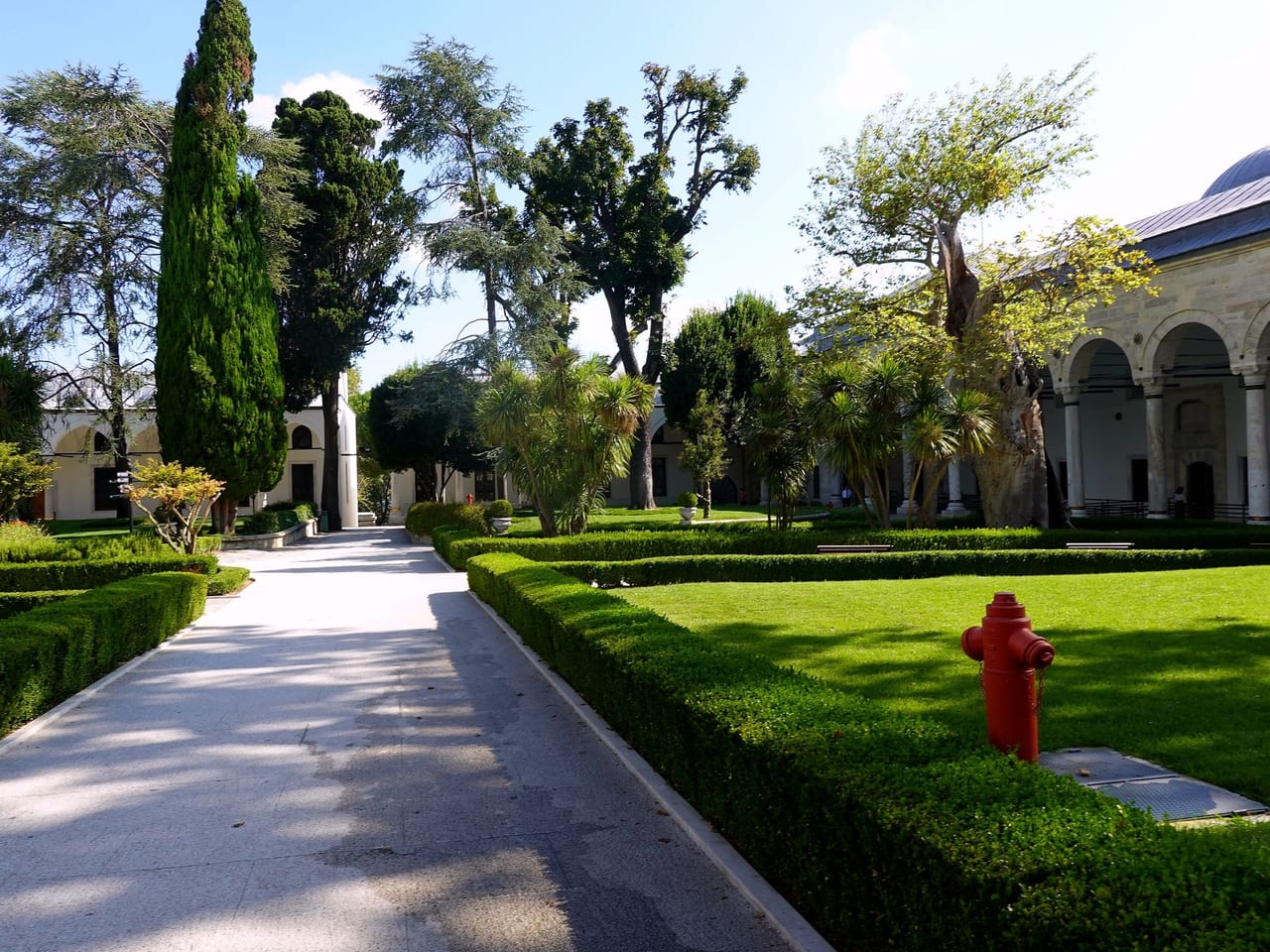
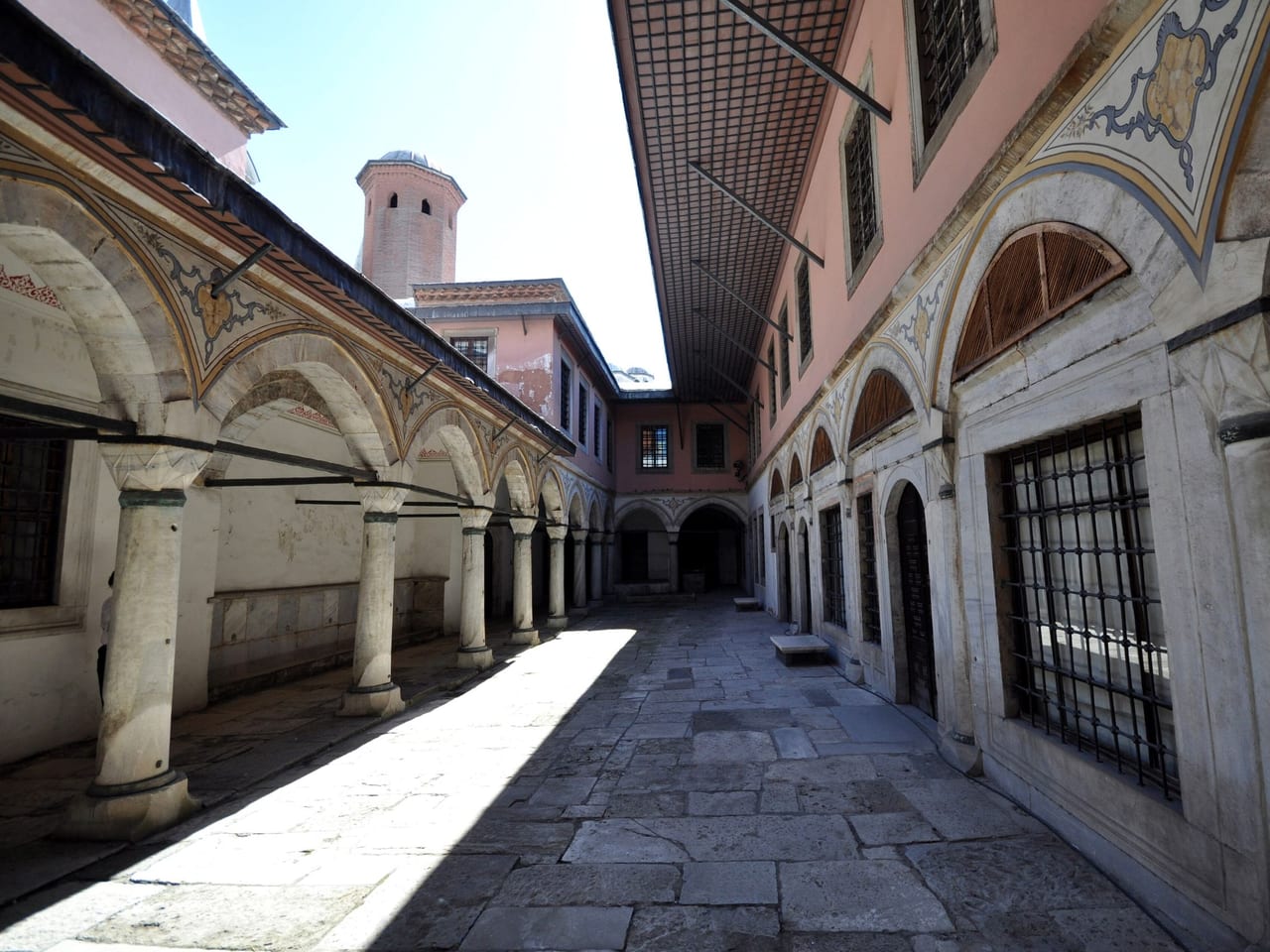
The palace grew around a series of courtyards and was separated from the city by a high wall, the Sur-ı Sultani. Its organization had four divisions: the Bîrun for service and protection, the Dîvân as the seat of government, the Enderûn for education, and the Harem as the sultan's private living quarters. The Bâb-ı Hümayun opens onto the first courtyard, also called the Alay Meydanı, where Hagia Irene stands. The Gate of Salutation, with its two octagonal towers, leads into the second courtyard, the Divan Meydanı: here are the kitchens, the Imperial Council Hall, the Tower of Justice, the Outer Treasury, and the entrance to the Harem. The Gate of Felicity opens onto the third courtyard, the Enderun, with the Audience Chamber, the Treasury, the Chamber of the Holy Relics, and exhibition halls. In the fourth courtyard stand the Baghdad and Yerevan kiosks, the Circumcision Room, the Iftar Pavilion, the Sofa Kiosk, and the Mecidiye Kiosk, the last kiosk built in the palace. The best-known pieces of the treasury include the Spoonmaker's Diamond and the Topkapı Dagger.
Practical information
- Getting there: The Sultanahmet or Gülhane stop of the Kabataş–Bağcılar tram; walk past Hagia Sophia to the Bâb-ı Hümayun.
- Visit: Closed on Tuesdays. There are separate tickets for Topkapı Palace, the Harem, and Hagia Irene, and a combined ticket that covers all three; the Museum Pass is not valid for the Harem or Hagia Irene. For ticket hours, prices, temporarily closed sections, and visiting conditions for the Chamber of the Holy Relics, check the official website before you go.
- Route: From the Bâb-ı Hümayun into the first courtyard, through the ticket control at the Gate of Salutation into the second courtyard, through the Gate of Felicity into the third, and on to the kiosks of the fourth courtyard. The Harem entrance is in the second courtyard, next to the Imperial Council Hall; the Harem tour ends in the third courtyard. The exit is back the way you came, through the second courtyard and the Gate of Salutation to the first courtyard.
- Suggested time: 3–4 hours (with the Harem).
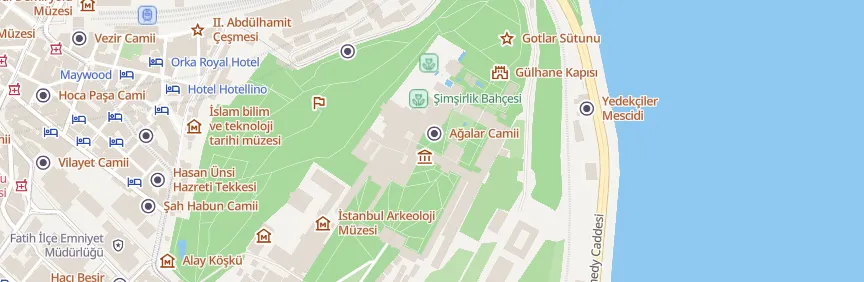
Where
Inside this place
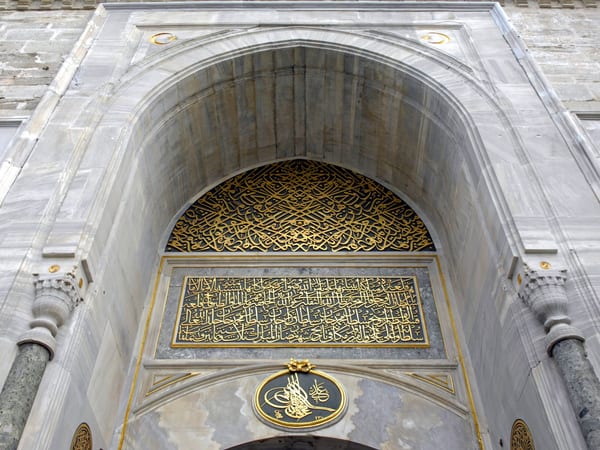 Imperial GateHistorical Place
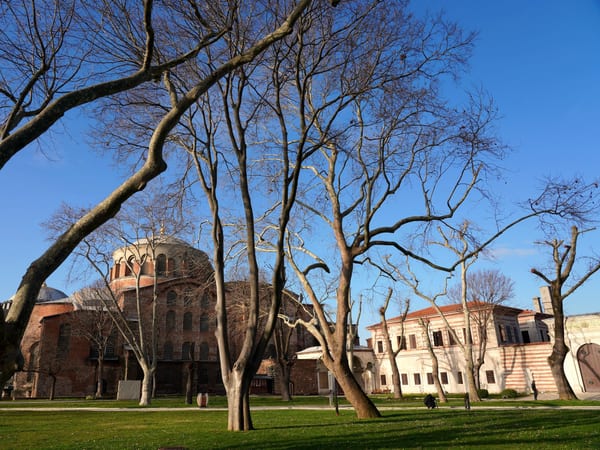 First CourtyardHistorical Place
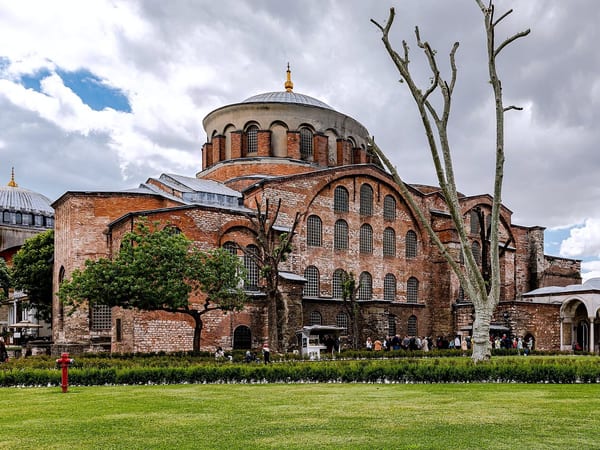 Hagia IreneHistorical Place
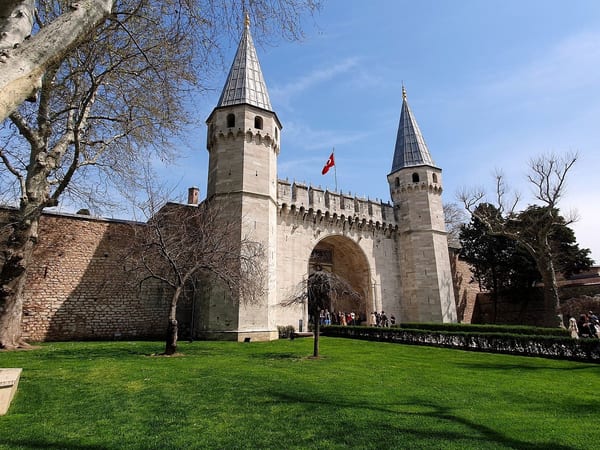 Gate of SalutationHistorical Place
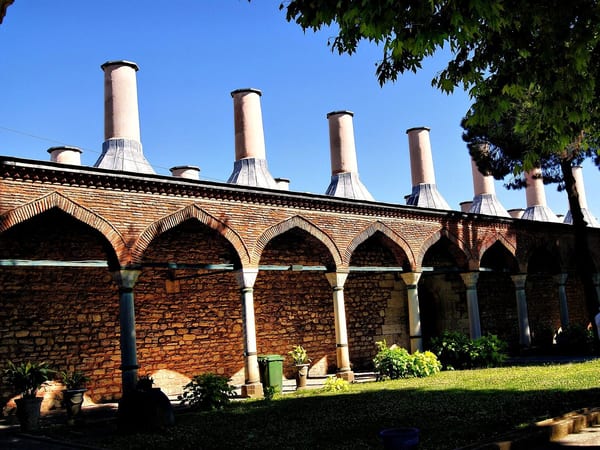 Palace KitchensHistorical Place
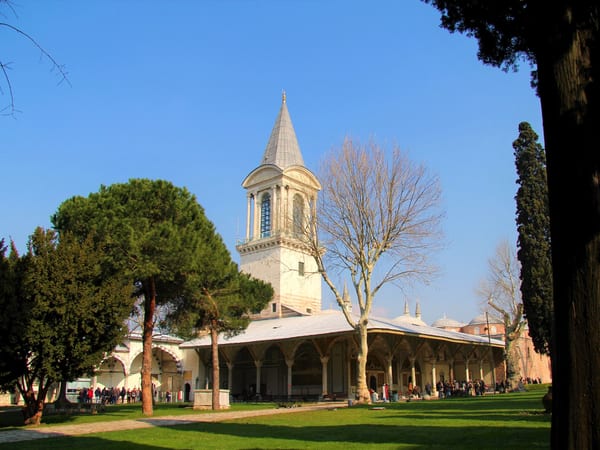 Imperial Council Hall and Tower of JusticeHistorical Place
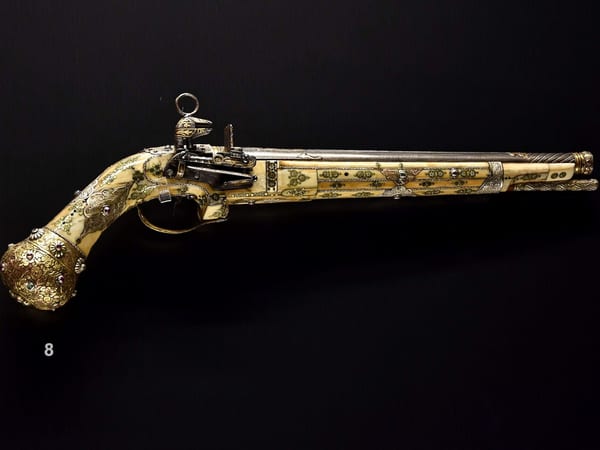 Arms CollectionHistorical Place
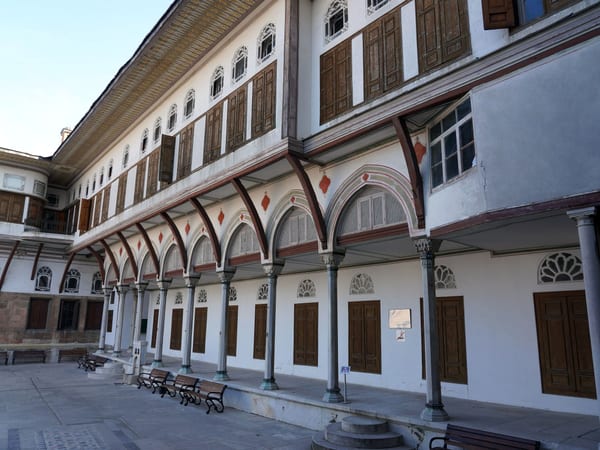 HaremHistorical Place
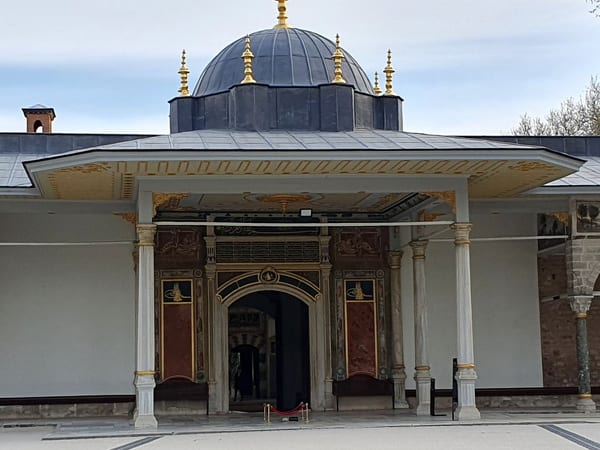 Gate of FelicityHistorical Place
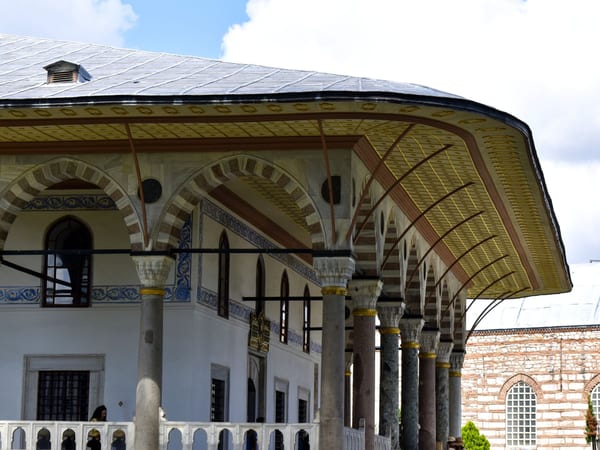 Audience ChamberHistorical Place
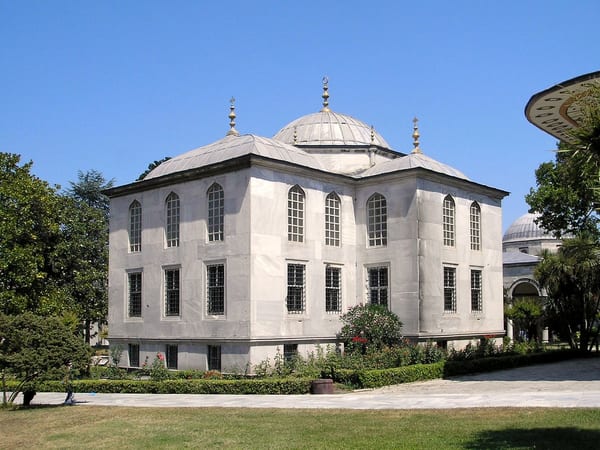 Library of Ahmed IIIHistorical Place
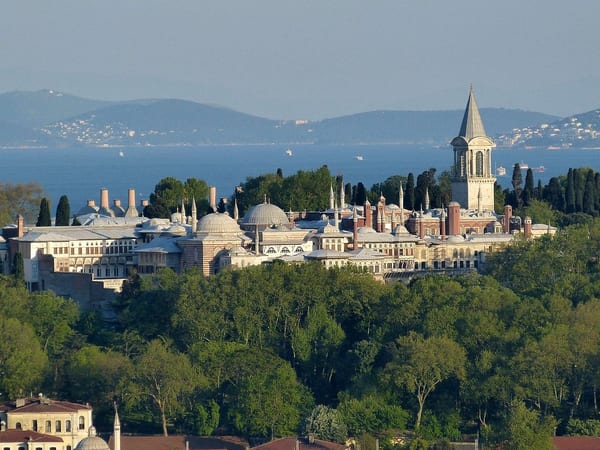 Imperial CostumesHistorical Place
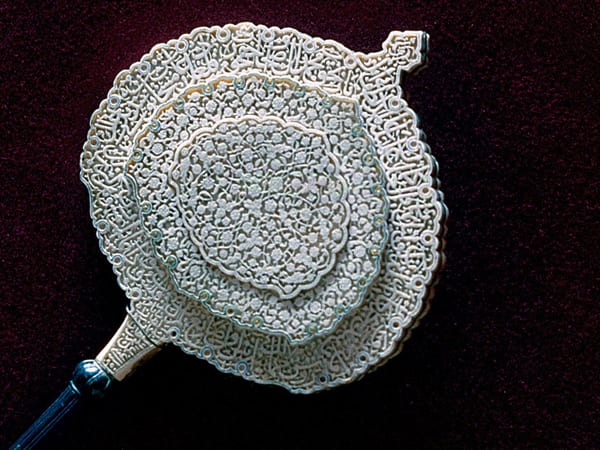 Imperial TreasuryHistorical Place
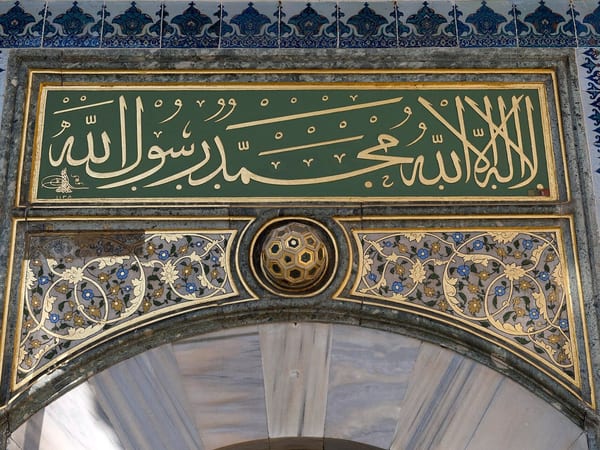 Chamber of the Holy RelicsHistorical Place
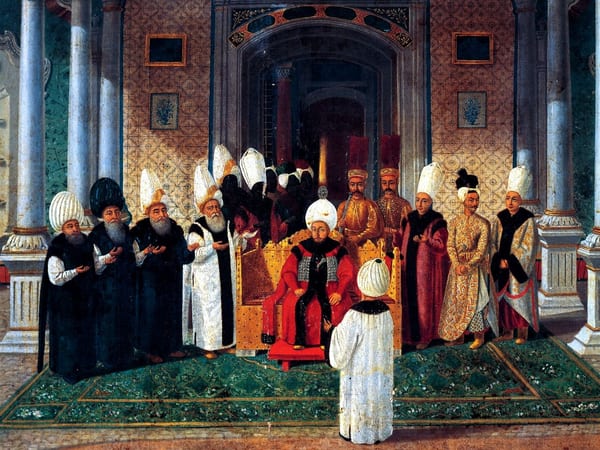 Imperial PortraitsHistorical Place
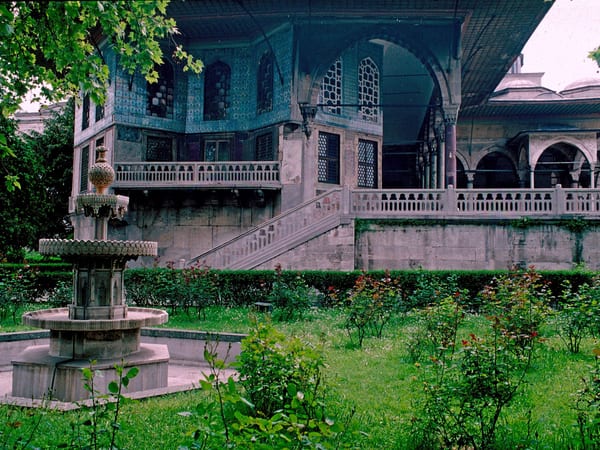 Yerevan KioskHistorical Place
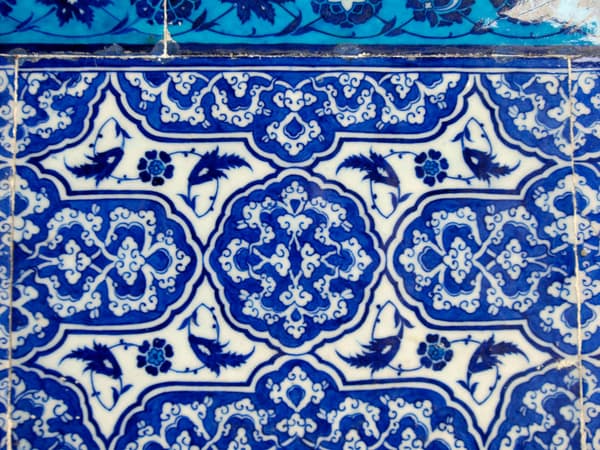 Circumcision RoomHistorical Place
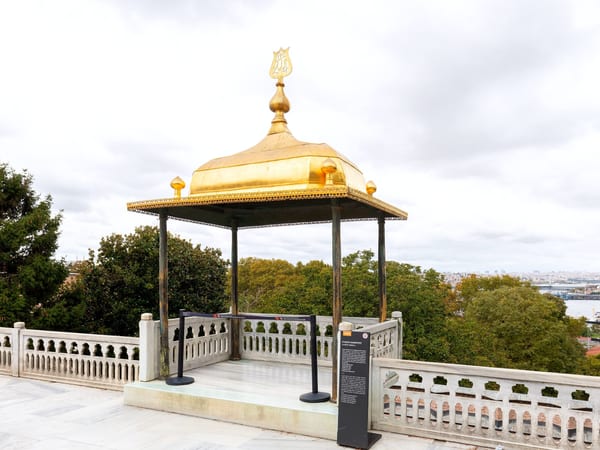 Iftar PavilionHistorical Place
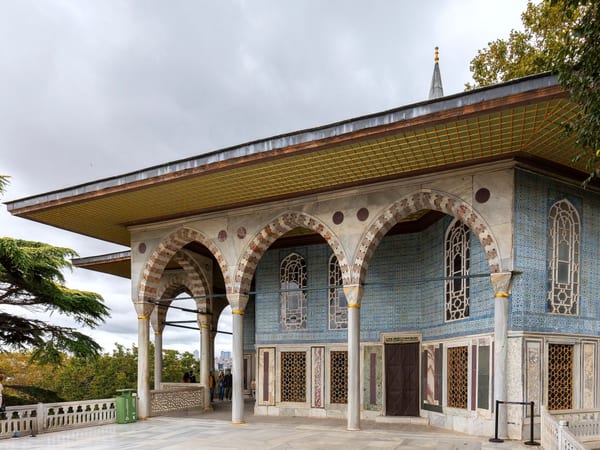 Baghdad KioskHistorical Place
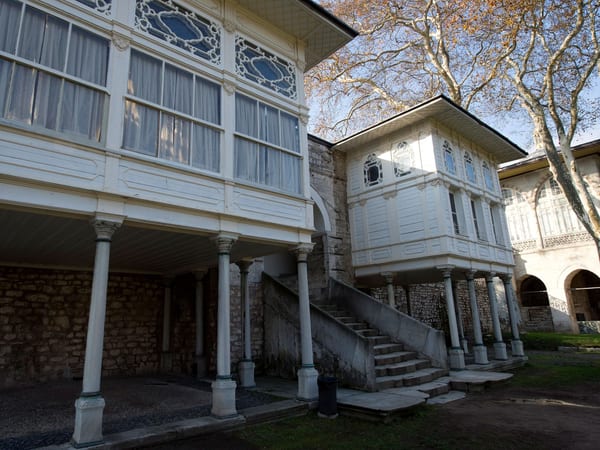 Sofa KioskHistorical Place
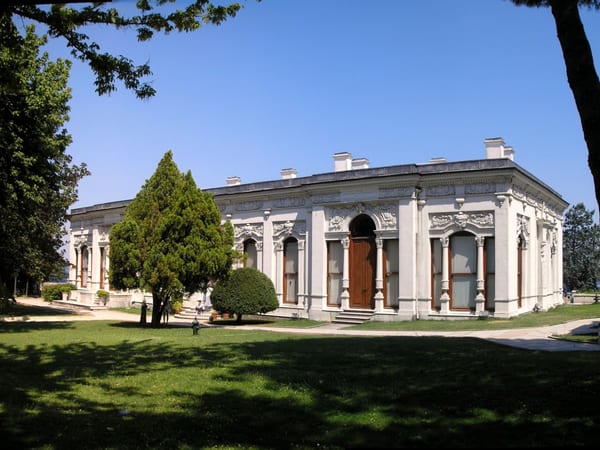 Mecidiye KioskHistorical Place
Nearby places
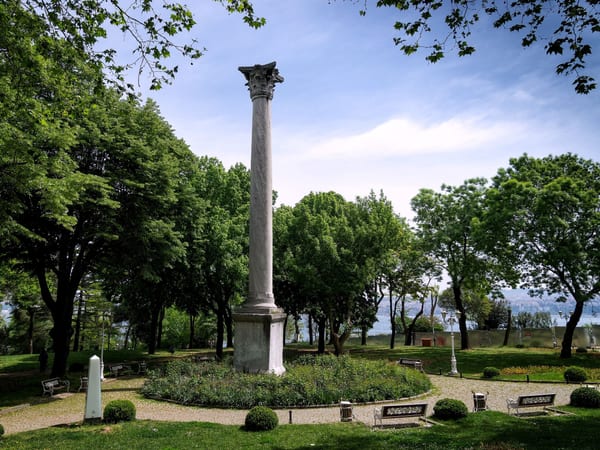 Column of the Goths
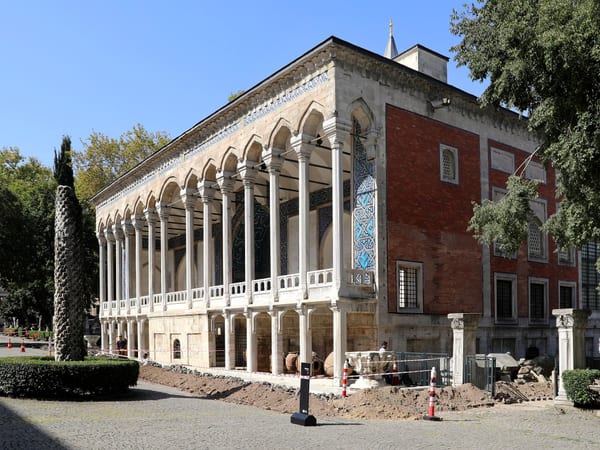 Tiled Kiosk
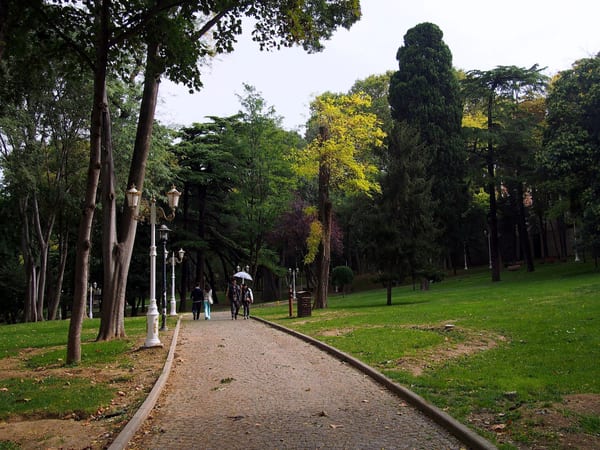 Gülhane Park
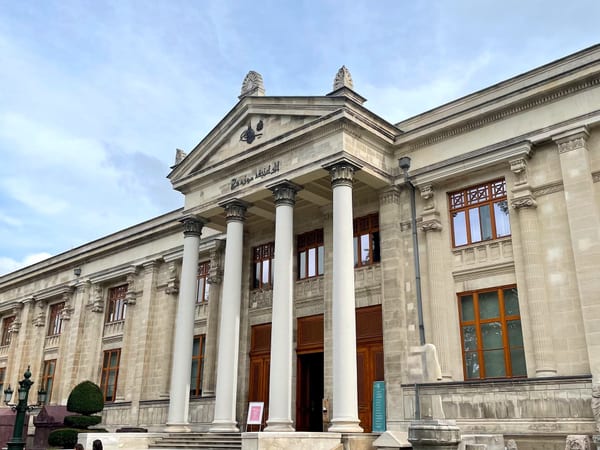 İstanbul Archaeology Museums
Routes that include this place
Listen as you walk
Guide & Travel starts the story by itself when you reach the place, and it works offline too.
Photos (26)
- Imperial Gate — Photo: Dosseman · CC BY-SA 4.0 · Wikimedia Commons (cropped)
- First Courtyard — Photo: Ray Swi-hymn from Sijhih-Taipei, Taiwan · CC BY-SA 2.0 · Wikimedia Commons (edited)
- Hagia Irene — Photo: Ninara · CC BY 2.0 · Wikimedia Commons (cropped)
- Gate of Salutation — Photo: Yair Haklai · CC BY-SA 4.0 · Wikimedia Commons (cropped)
- Palace Kitchens — Photo: HALUK COMERTEL · CC BY 3.0 · Wikimedia Commons (cropped)
- Imperial Council Hall and Tower of Justice — Photo: Rabe! · CC BY-SA 4.0 · Wikimedia Commons (edited)
- Arms Collection — Photo: Phyrexian · CC BY-SA 4.0 · Wikimedia Commons (cropped)
- Harem — Photo: Ray Swi-hymn from Sijhih-Taipei, Taiwan · CC BY-SA 2.0 · Wikimedia Commons (cropped)
- Gate of Felicity — Photo: Yair Haklai · CC BY-SA 4.0 · Wikimedia Commons (cropped)
- Audience Chamber — Photo: Julian Lupyan · CC0 · Wikimedia Commons (edited)
- Library of Ahmed III — Photo: Gryffindor · Public domain · Wikimedia Commons (edited)
- Imperial Costumes — Photo: falco · Pixabay Content License · Pixabay (colour corrected)
- Imperial Treasury — Photo: Dosseman · CC BY-SA 4.0 · Wikimedia Commons (cropped)
- Chamber of the Holy Relics — Photo: Dosseman · CC BY-SA 4.0 · Wikimedia Commons (cropped)
- Imperial Portraits — Photo: Konstantin Kapıdağlı · Public domain · Wikimedia Commons (cropped)
- Yerevan Kiosk — Photo: Dosseman · CC BY-SA 4.0 · Wikimedia Commons (cropped)
- Circumcision Room — Photo: Dosseman · CC BY-SA 4.0 · Wikimedia Commons (cropped)
- Iftar Pavilion — Photo: Diego Delso · CC BY-SA 4.0 · Wikimedia Commons (cropped)
- Baghdad Kiosk — Photo: Diego Delso · CC BY-SA 4.0 · Wikimedia Commons (edited)
- Sofa Kiosk — Photo: Dosseman · CC BY-SA 4.0 · Wikimedia Commons (cropped)
- Mecidiye Kiosk — Photo: Gryffindor · Public domain · Wikimedia Commons (edited)
- Column of the Goths — Photo: Bjørn Erik Pedersen · CC BY-SA 4.0 · Wikimedia Commons (edited)
- Tiled Kiosk — Photo: Francesco Bini · CC BY-SA 4.0 · Wikimedia Commons (edited)
- Gülhane Park — Photo: rheins · CC BY 3.0 · Wikimedia Commons (colour corrected)
- İstanbul Archaeology Museums — Photo: Metuboy · CC BY-SA 4.0 · Wikimedia Commons (edited)
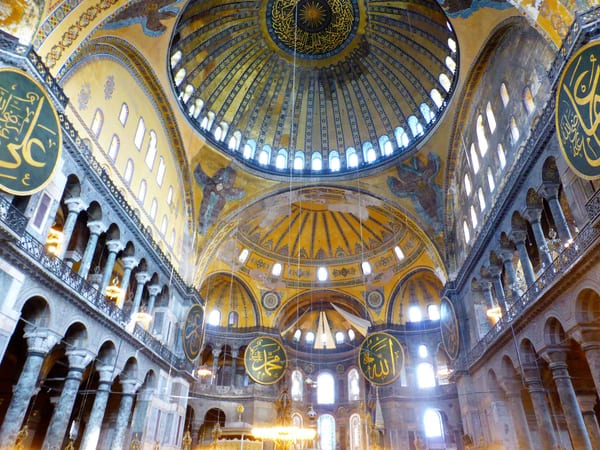
- Hagia Sophia — Photo: Kemal KOZBAEV · CC BY-SA 4.0 · Wikimedia Commons (colour corrected)


