Eyüp Sultan Mosque and Tomb
The tomb of Abu Ayyub al-Ansari, a companion of the Prophet, built in 1458, and the mosque rebuilt by Selim III: where Ottoman sultans girded on the sword at their accession.
A day when a sultan has just come to the throne. The new sultan arrives at Eyüp by sea, and here he girds on a sword held sacred, from the hands of the leading religious figure of the day.Listen to the rest in the app
The companion's tomb
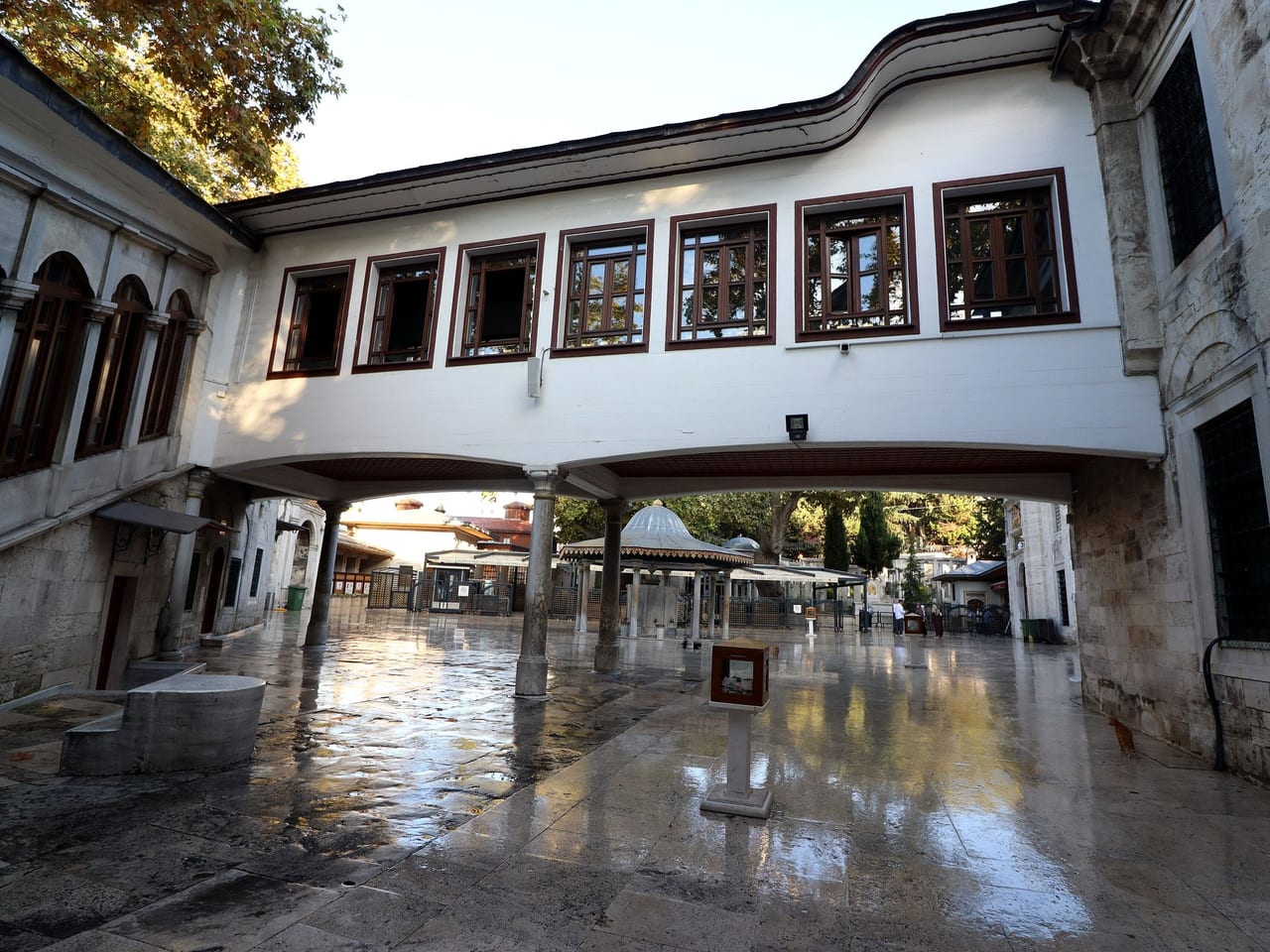
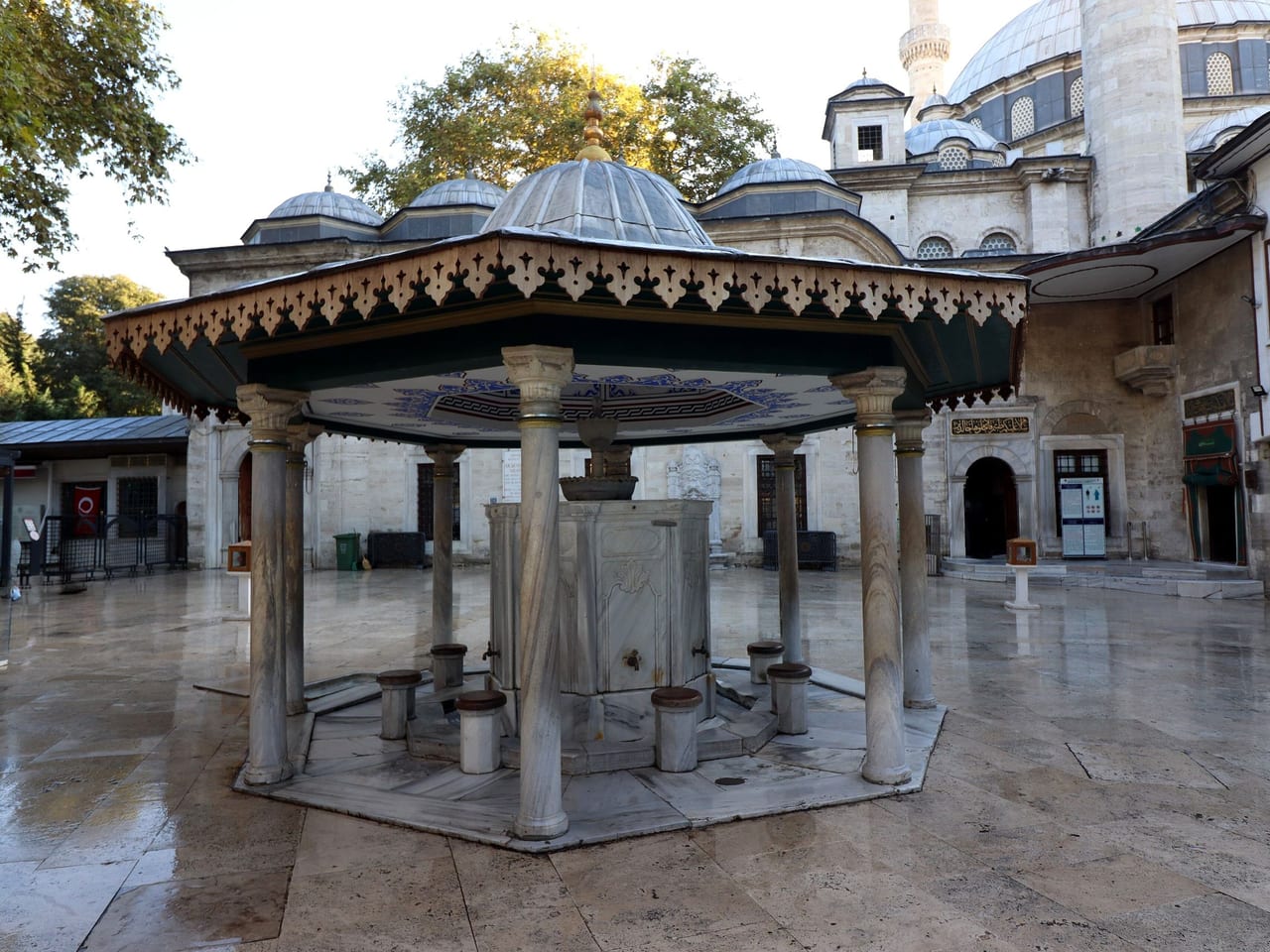
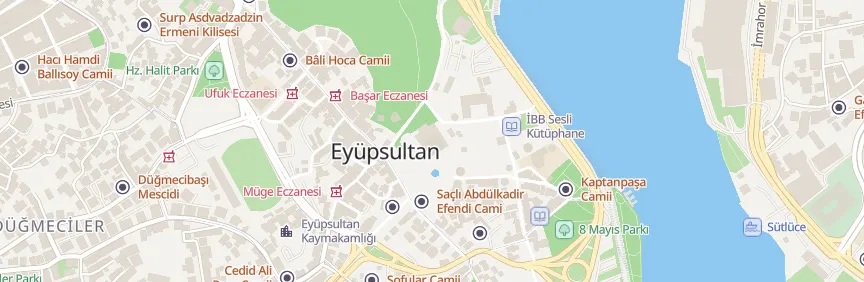
The Eyüp Sultan Mosque and Tomb stand in Eyüp, close to the Golden Horn. The tomb holds Abu Ayyub al-Ansari, a companion of the Prophet Muhammad, whom the people call Eyüp Sultan. The grave is said to have been located soon after the conquest, following a dream of Akşemseddin, the teacher of Mehmed II. The tomb was built in 1458; it is octagonal, of cut stone, and was added to and repaired over the centuries. A village soon grew up around it and expanded quickly. Mehmed II also built a mosque, a madrasa, and a bathhouse beside the tomb; the mosque was completed in 1458. Badly damaged in the earthquake of 1766, the mosque could not be saved by repairs and was taken down to its foundations; the new mosque was built by Selim III.
The girding of the sword
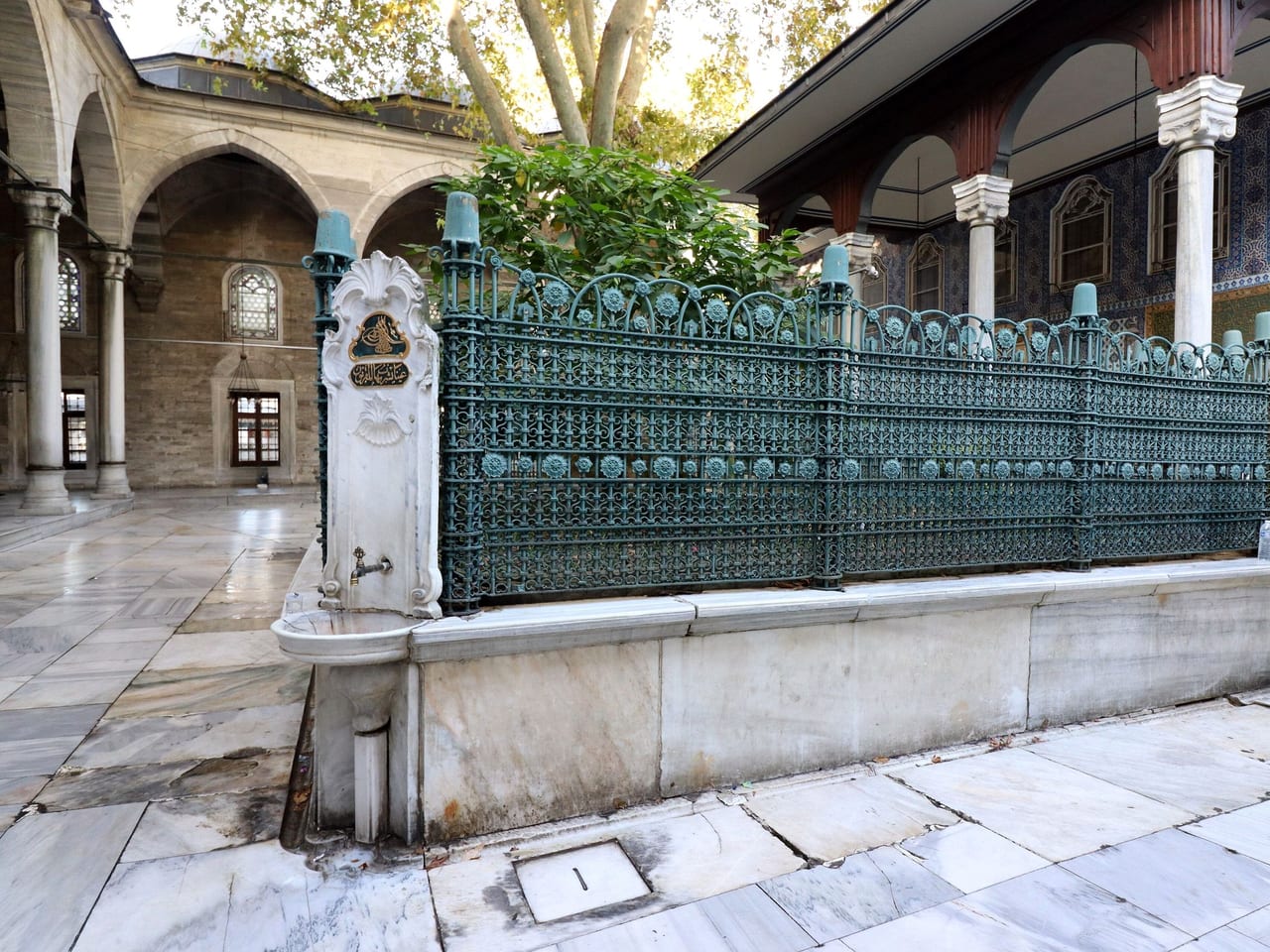
On taking the throne, Ottoman sultans came here to gird on a sword regarded as sacred, handed to them by a leading religious figure of the day; this ceremony, the Taklid-i Seyf, counted as much as the oath of allegiance. The new sultan arrived by sea and, after the ceremony, returned to the palace through Edirnekapı and along the Divanyolu. A visitors' wall was built in front of the tomb, and a lead-covered, tent-shaped canopy was added later to make the ceremonies look as if held in an imperial tent. Abdülhamid I, for example, girded on the sword here on the sixth day of his reign. Over the centuries, graves of those who wished to lie near Abu Ayyub multiplied, and Eyüp Cemetery spread up the slopes above the mosque.
Practical information
- Getting there: In central Eyüp; on foot from the Golden Horn shore.
- Suggested time: 30–45 minutes.
[bilgi: An active mosque and tomb; visits are restricted during prayer times. For tomb hours, the dress code, and entrance, check the official website before you go.]
Where
Nearby places
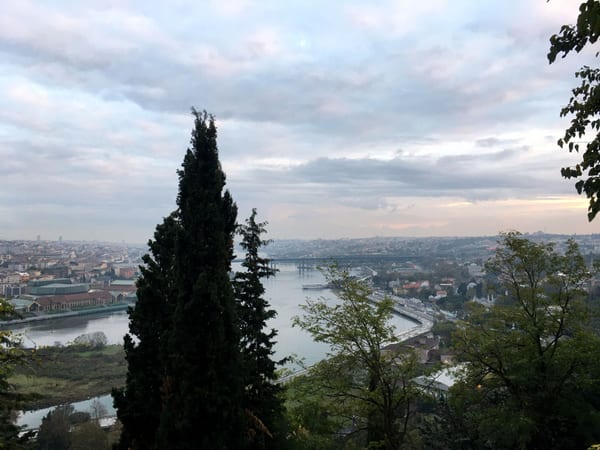 Pierre Loti Hill
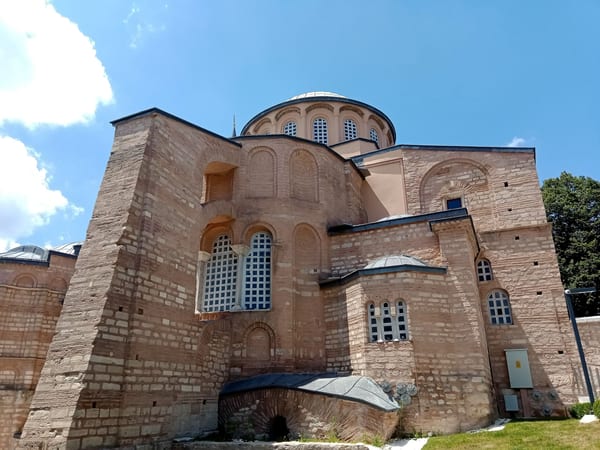 Chora
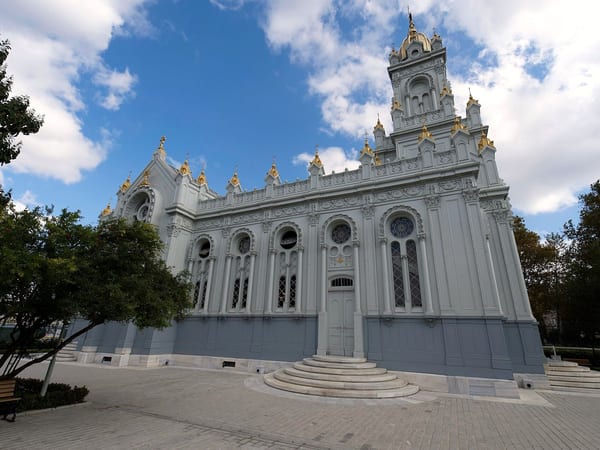 Bulgarian St. Stephen Church
 Fener and Balat

Listen as you walk
Guide & Travel starts the story by itself when you reach the place, and it works offline too.
Photos (4)
- Pierre Loti Hill — Photo: Alena Belova for Exhibo · CC BY-SA 4.0 · Wikimedia Commons (colour corrected)
- Chora — Photo: Rémih · CC BY-SA 4.0 · Wikimedia Commons (colour corrected)
- Bulgarian St. Stephen Church — Photo: Dosseman · CC BY-SA 4.0 · Wikimedia Commons (cropped)
- Fener and Balat — Photo: Maurice Flesier · CC BY-SA 4.0 · Wikimedia Commons (colour corrected)


