Chora
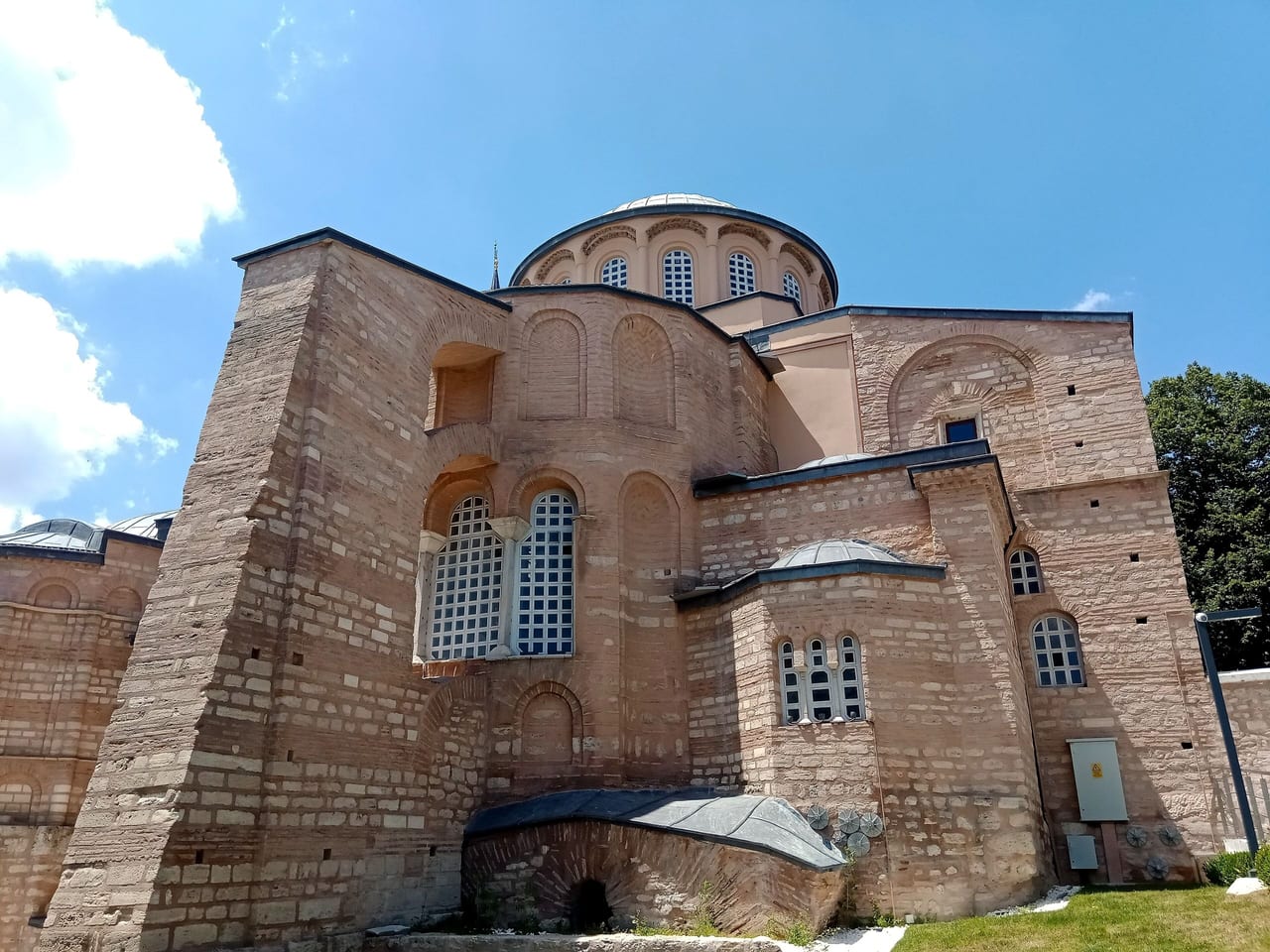
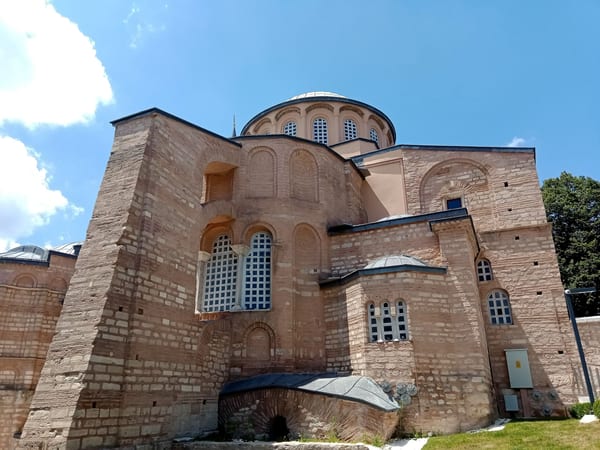
The church of the Byzantine Chora Monastery: a mosque in Edirnekapı with the mosaics, frescoes, and funerary chapel commissioned by Theodore Metochites in the early 14th century.
Why would a statesman have his own portrait set into the wall of a church he restored? In the mosaic above the inner doorway, Theodore Metochites appears, offering the church in his hands to Christ.Listen to the rest in the app
From the Chora Monastery to the Kariye Mosque
The Kariye Mosque stands in Edirnekapı, on a slope facing the Golden Horn. In Byzantine times it was the church of the Chora Monastery. The word chora refers to the area outside a settlement, the countryside, and the name Kariye is linked to the same meaning. The monastery is first mentioned in written records in the 8th century. The central part of the church was built in the late 11th and early 12th centuries, under the Komnenos dynasty: Maria Doukaina, mother-in-law of Emperor Alexios I, restored the monastery, and Isaac Komnenos renewed the building and prepared a tomb for himself here. Damaged during the Latin occupation (1204–1261), it was restored and enlarged by the statesman and scholar Theodore Metochites; the work was finished in 1321. Under Bayezid II, Ali Pasha turned the church into a mosque, adding a mihrab in the apse and a minaret in place of the bell tower. Earthquakes in 1648, 1766, and 1894 damaged it, and the minaret that fell in 1894 was rebuilt. The building was set aside as a museum in 1945, and from 1948 its mosaics and frescoes were cleaned and uncovered. In 2020 its management passed to the Presidency of Religious Affairs and it became a mosque again, reopening for worship after restoration.
Mosaics and the funerary chapel
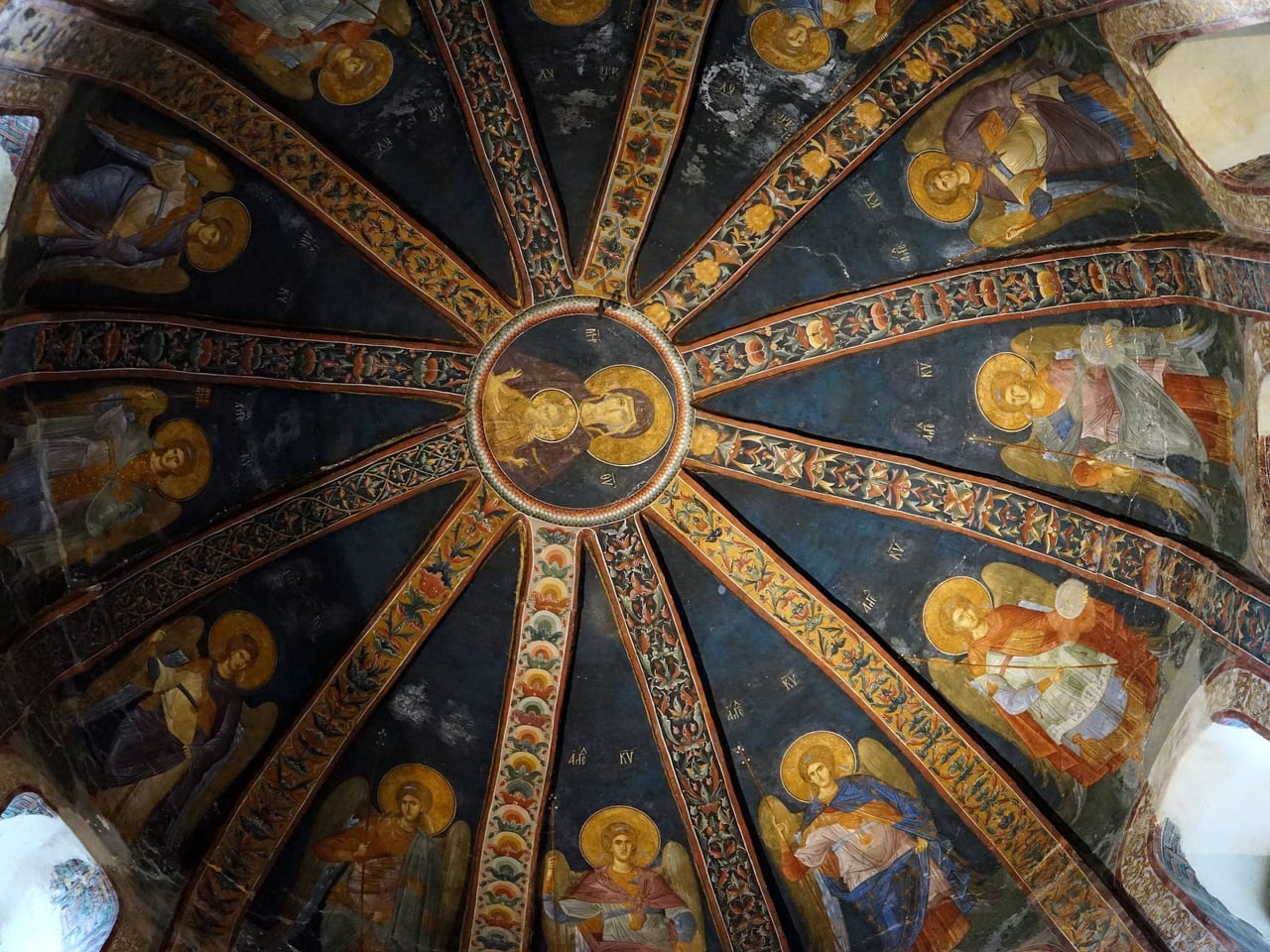
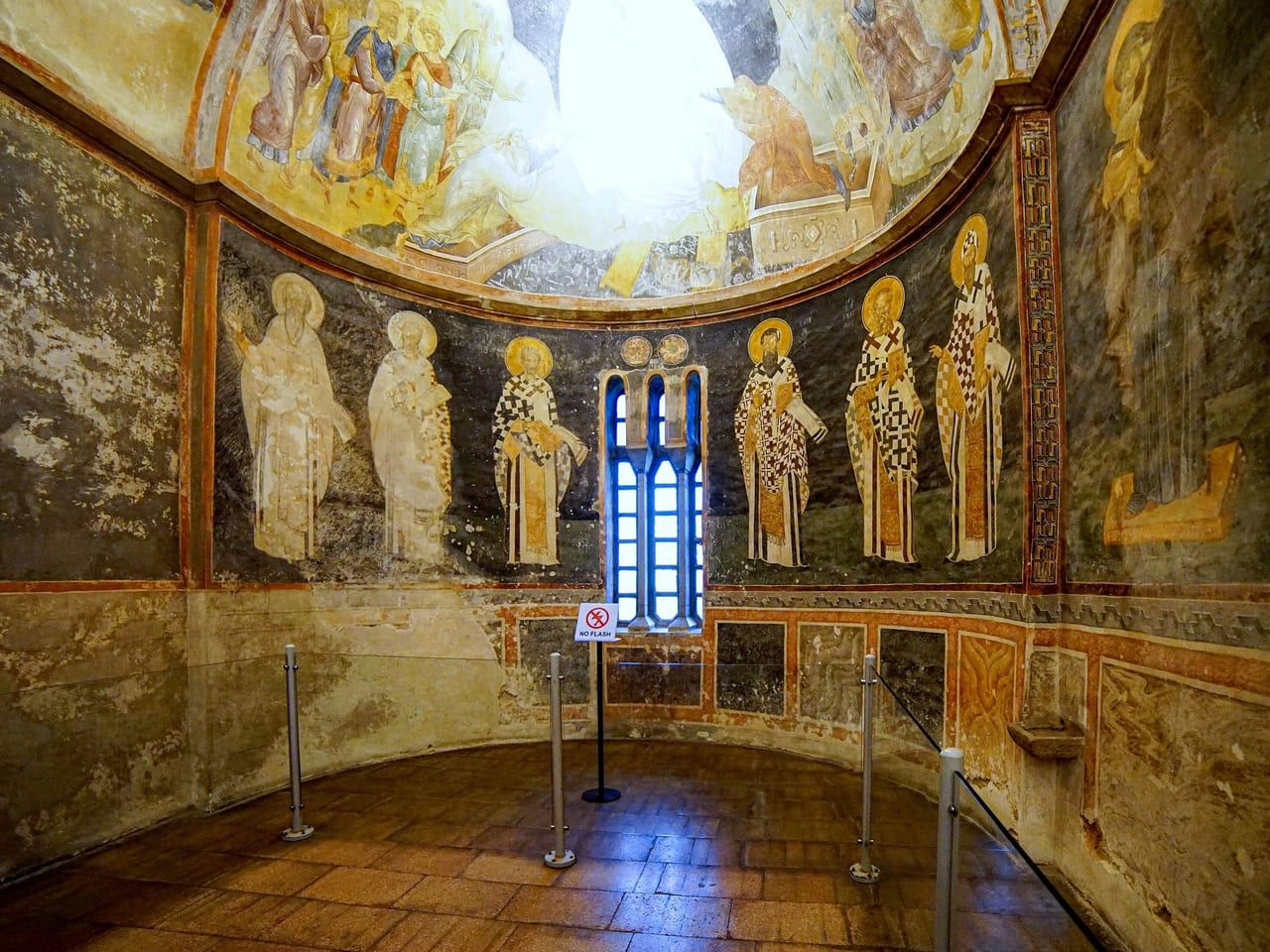
Metochites added a funerary chapel, the parekklesion, on the south and an outer narthex on the west, and had the building decorated with mosaics and frescoes. In the mosaic above the inner door, he is shown offering the church to Christ; his monograms appear inside and outside the building. The mosaics tell scenes from the lives of Christ and the Virgin. The chapel's frescoes survive almost complete, among them the Anastasis, in which Christ raises the dead.
Practical information
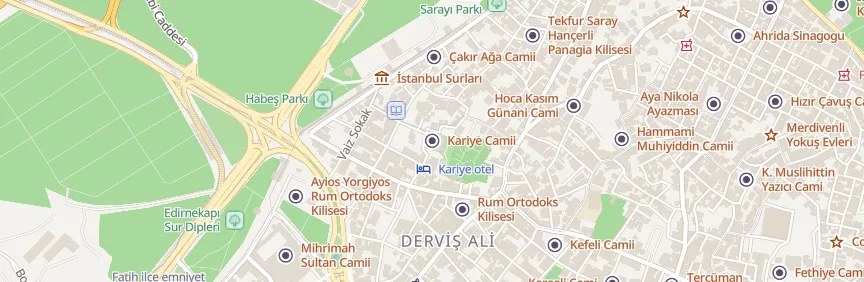
- Getting there: In Edirnekapı; for public transport connections and the walking route, check the transport operators' official websites before you go.
- Suggested time: 45 minutes to 1 hour.
[bilgi: An active mosque. For visiting hours, arrangements during prayer times and on Fridays, tickets for foreign visitors, and the dress code, check the official website before you go.]
Where
Nearby places
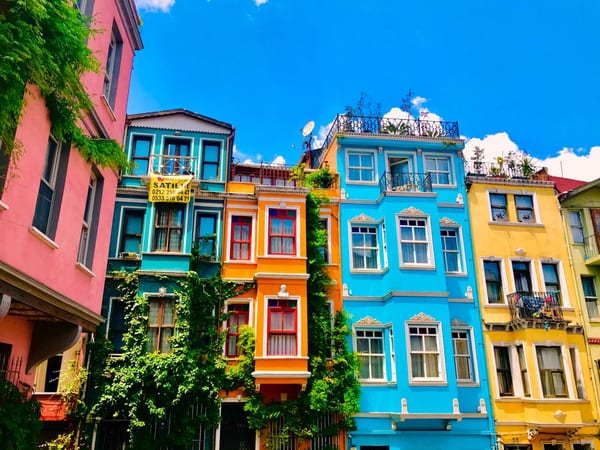 Fener and Balat
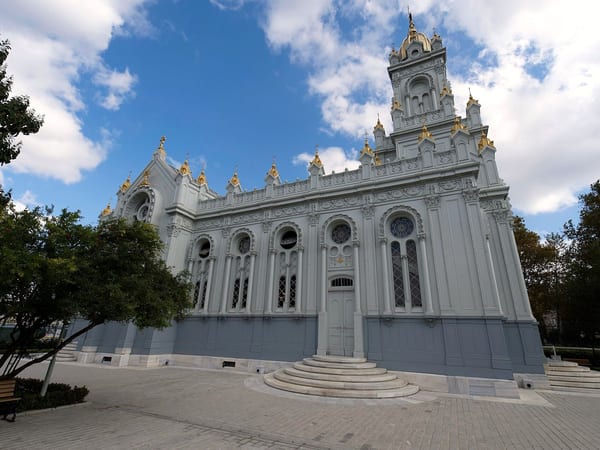 Bulgarian St. Stephen Church
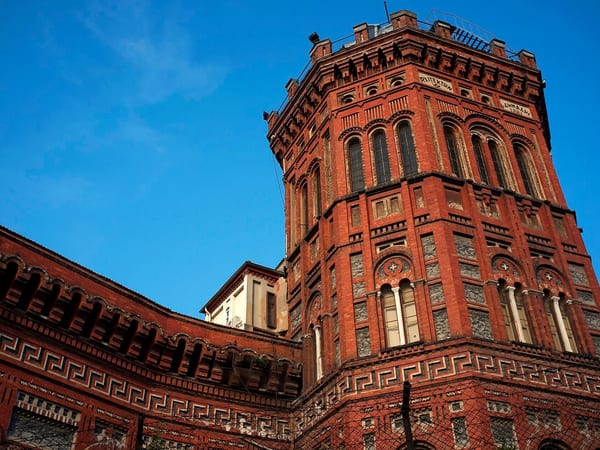 Fener Greek School
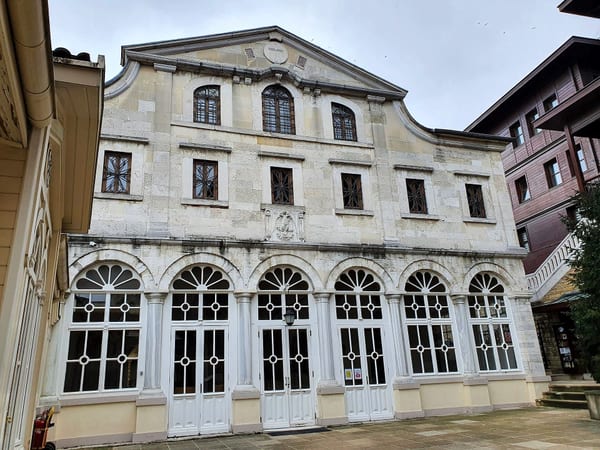 Greek Orthodox Patriarchate

Routes that include this place
Listen as you walk
Guide & Travel starts the story by itself when you reach the place, and it works offline too.
Photos (5)
- Fener and Balat — Photo: Maurice Flesier · CC BY-SA 4.0 · Wikimedia Commons (colour corrected)
- Bulgarian St. Stephen Church — Photo: Dosseman · CC BY-SA 4.0 · Wikimedia Commons (cropped)
- Fener Greek School — Photo: Aleksandr Zykov from Russia · CC BY-SA 2.0 · Wikimedia Commons (cropped)
- Greek Orthodox Patriarchate — Photo: Antoloji · CC BY-SA 4.0 · Wikimedia Commons (colour corrected)
- Chora — Photo: Rémih · CC BY-SA 4.0 · Wikimedia Commons (colour corrected)


