Tire Historic Center
A market town at the foot of Mount Güme, with a covered bazaar, inns and mosques from the Aydınid and Ottoman periods, famous for its large village market every Tuesday.
This building with eight domes and gates opening in four directions is the Tire Bedesten. Built in the 14th century, the bedesten stands at the heart of the bazaar, and 32 shops line its outer walls.Listen to the rest in the app
An old town at the foot of the mountain
Tire lies on the northern foot of Mount Güme, about 6 kilometers south of the Küçük Menderes River. Documents call it Thira, Tyrha or Teira. Already an important settlement in the Roman and Byzantine periods, Tire became one of the main centers of the Aydınid principality in the 14th century, and under Umur Bey it grew with madrasas, mosques, fountains and irrigation canals. Timur, who won the Battle of Ankara, spent the winter here; the town passed firmly to the Ottomans in 1426.
Bedesten, inns and arasta
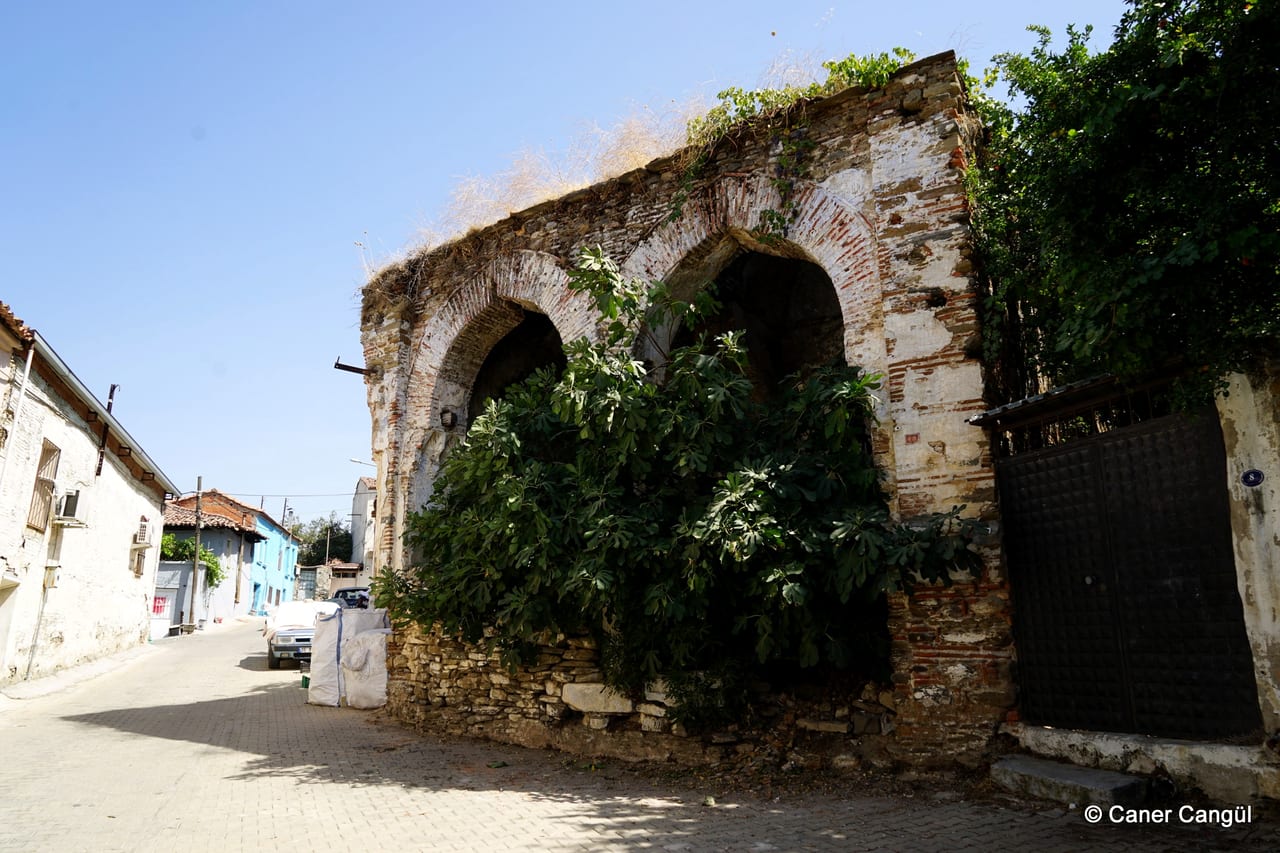
Tire long remained a center of trade and learning; in the 16th century its craftsmen were organized in the Ahi guilds, and the town had more than 30 markets and bazaars. Evliya Çelebi, who visited in 1671, counted 27 inns and some 2,800 shops. At the heart of the market, the 14th-century bedesten, or covered bazaar, has eight domes and gates on four sides; 32 shops line its outer walls. The two-story Bakırhan (Kurşunlu Han), built by Lütfi Pasha in 1520, and the 16th-century arasta known as Karanlık Çarşı (the Dark Bazaar) are among its other old buildings. That trading tradition lives on in the large Tuesday market, where village producers sell vegetables, fruit, wild greens, cheese and handmade goods; it is considered one of the largest markets in the Aegean.
Yeşil İmaret and a protected town
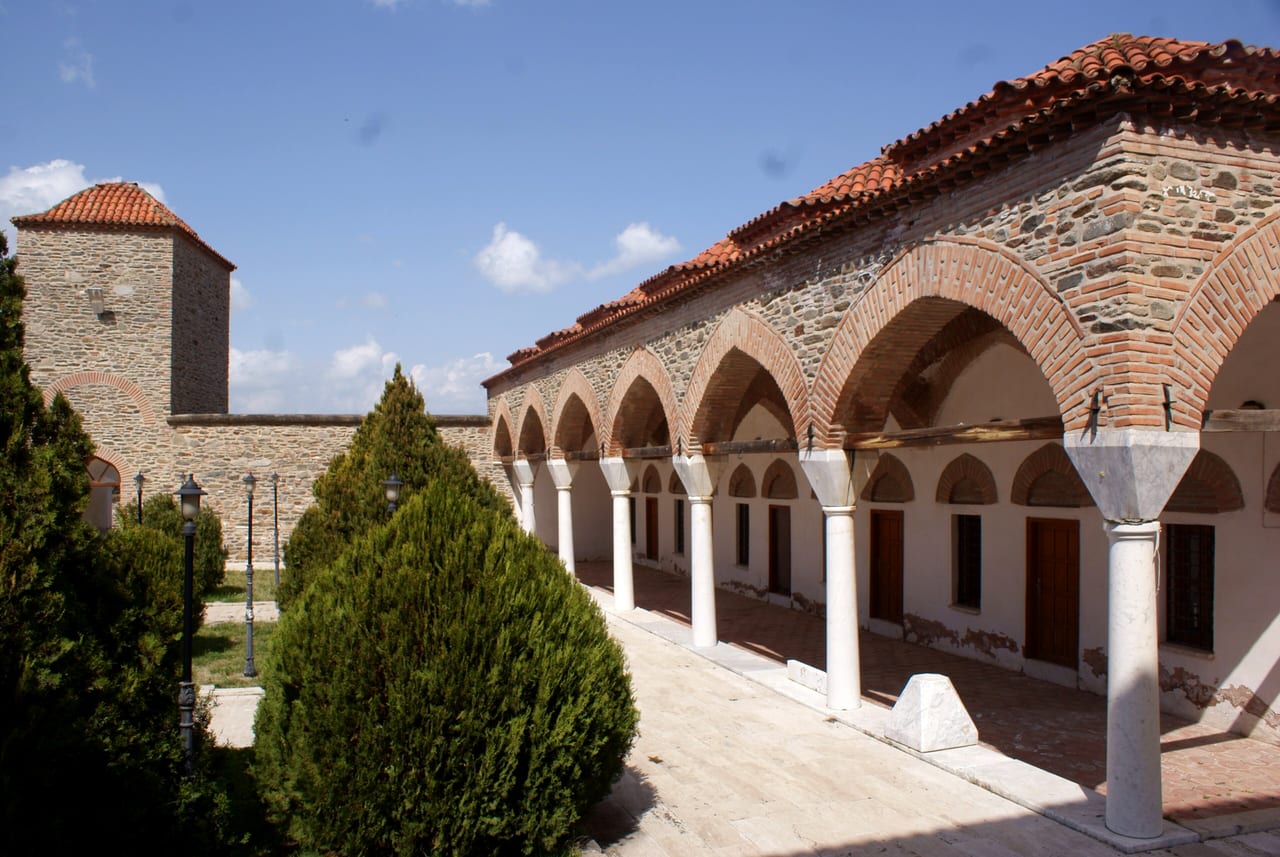
The Yahşi Bey Mosque, built in 1441 by Halil Yahşi Bey, one of the commanders of Murad II, is also known as Yeşil İmaret; it is considered one of the buildings where the first Ottoman experiments with the half dome were made. Tire's houses, influenced by 18th- and 19th-century European architecture, are known for their bay windows, decorated ceilings and doors into neighbors' gardens. With its mosques, fountains, tombs, madrasas, old trees and Levantine houses, the town center became an urban conservation area in 2003.
Practical information
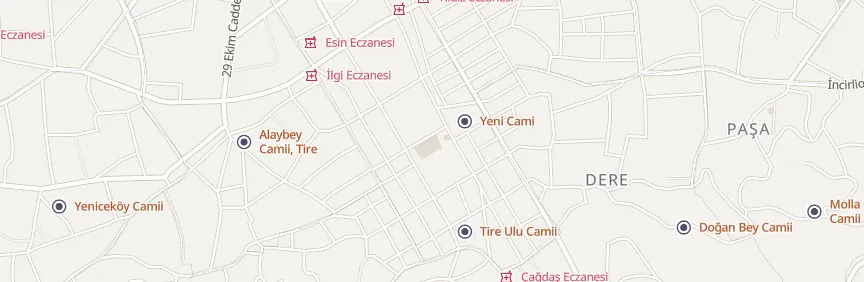
- Location: Tire town center; the bazaar and historic buildings are explored on foot.
- Admission: the historic center is free; the mosques are places of worship.
- Market: every Tuesday.
- Suggested time: half a day; Tuesday if possible.
- Status: open (inhabited town).
[bilgi: Access to the mosques may be limited at prayer times. Shoes are removed on entering, and women cover their hair.]
Where
Nearby places
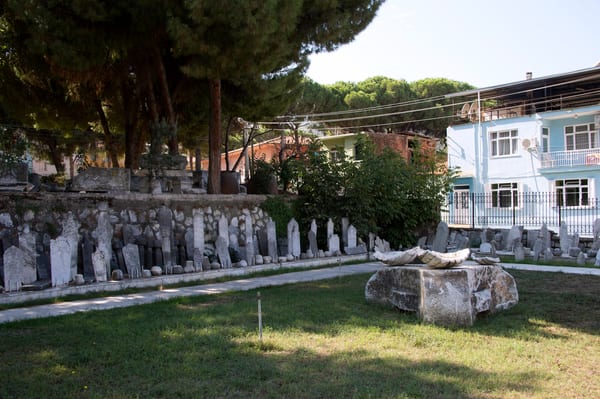 Tire City Museum
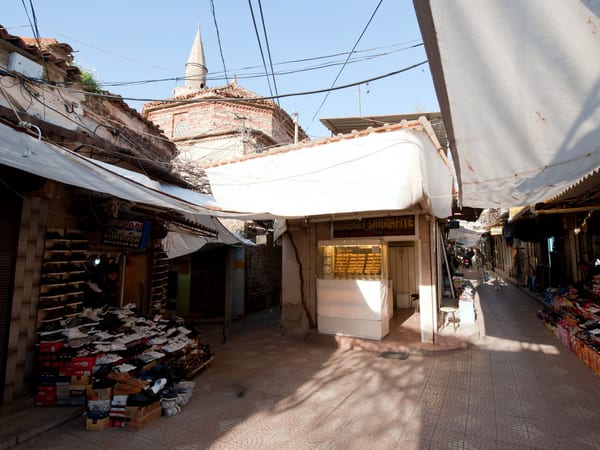 Tire Tuesday Market
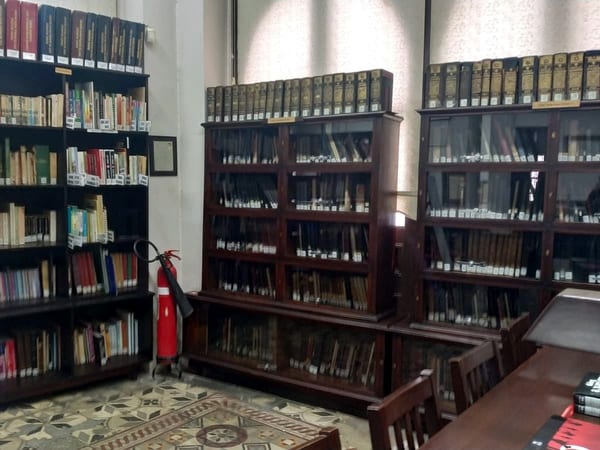 Ödemiş Yıldız City Archive and Museum
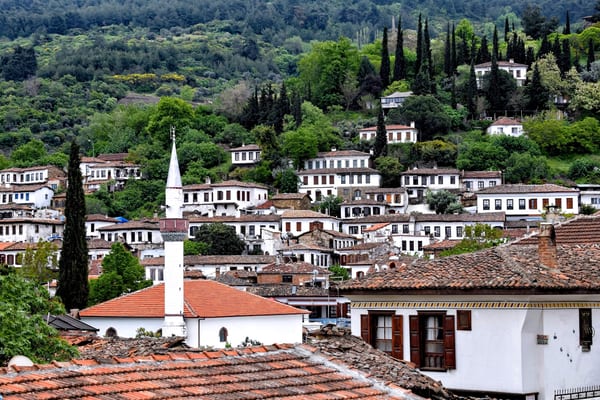 Şirince

Listen as you walk
Guide & Travel starts the story by itself when you reach the place, and it works offline too.
Photos (4)
- Tire City Museum — Photo: Dosseman · CC BY-SA 4.0 · Wikimedia Commons (colour corrected)
- Tire Tuesday Market — Photo: Dosseman · CC BY-SA 4.0 · Wikimedia Commons (edited)
- Ödemiş Yıldız City Archive and Museum — Photo: Kingbjelica · CC BY-SA 4.0 · Wikimedia Commons (cropped)
- Şirince — Photo: Jocelyn Erskine-Kellie · CC BY-SA 2.0 · Wikimedia Commons (edited)


