Smyrna Agora
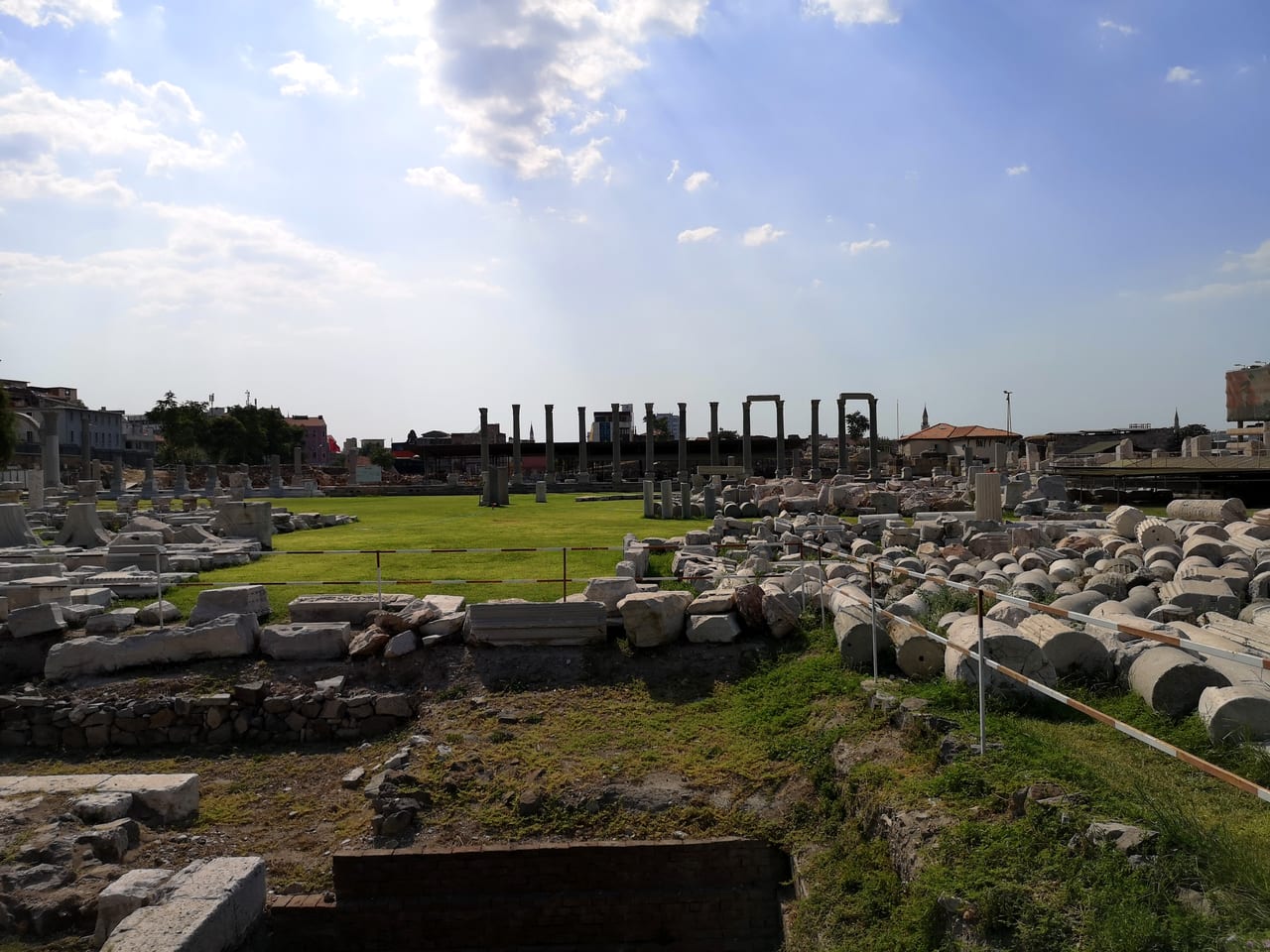
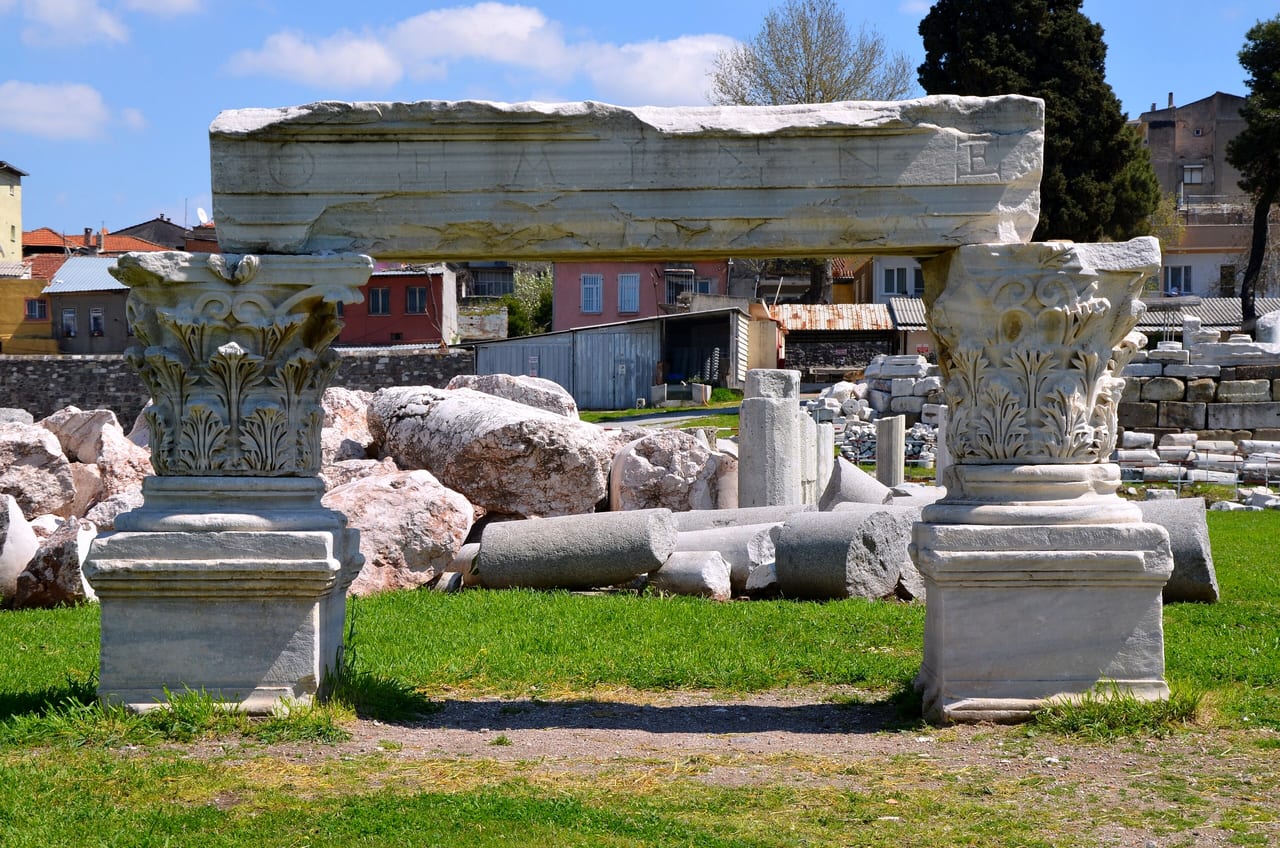
The state agora of ancient Smyrna: an archaeological site in the heart of İzmir's Namazgâh district, with a Roman basilica, colonnades and basements covered in graffiti.
In AD 178, following an earthquake, the orator Aelius Aristides wrote a letter to the emperor. In it, he described the ruins of the city he loved and asked for help so that Smyrna could rise again.Listen to the rest in the app
The city's heart, beneath the city
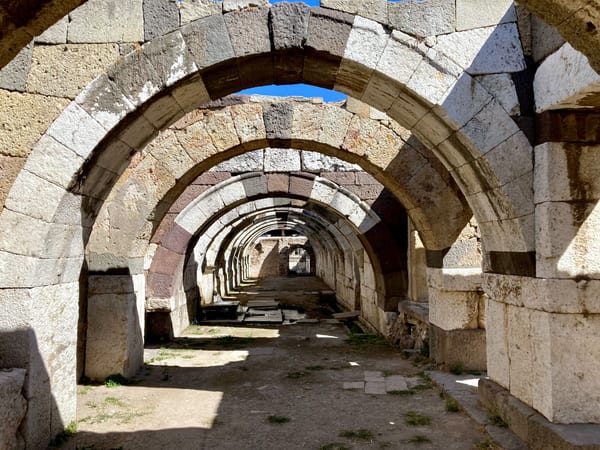
Agora means "gathering place" in Greek, and large ancient cities usually had two: one for affairs of state, one for trade. This site in Namazgâh, in the middle of modern İzmir, was ancient Smyrna's state agora, the great square where the city was governed, ringed by public buildings. When the city moved early in the Hellenistic period from its old site at Bayraklı to the slopes of Kadifekale, ancient Mount Pagos, the agora was laid out at the center of the new grid-planned city. The square sat on sloping ground, so stoas with basements were built along its north and west sides, turning the courtyard into a terrace. The excavated courtyard measures about 129 × 83 meters; part of the west colonnade, a small part of the east colonnade and the whole basilica on the north have been uncovered.
An agora born of an earthquake
The great earthquake of AD 178 leveled Smyrna; temples, the theater and the agora collapsed, and fires broke out. With Emperor Marcus Aurelius's support the city was quickly rebuilt, and most of today's remains date from that work. The agora kept its overall layout until the early 7th century AD, fell out of use as the city shrank, and became a cemetery. Excavated coins show the site was also used between the 10th and 14th centuries.
A square protected by graves
In the Ottoman period most of the site was a cemetery, and its eastern part an open-air prayer ground, a namazgâh, which gave the district its name. This sacred use protected the ruins for centuries from stone robbers and treasure hunters. Burials continued from the 15th century, when İzmir passed wholly into Turkish hands, until the 19th. İzmir's first official excavation began here in 1932; in 2002–2006 the site was enlarged by clearing newer buildings around it, and in 2007 excavation went year-round.
Practical information
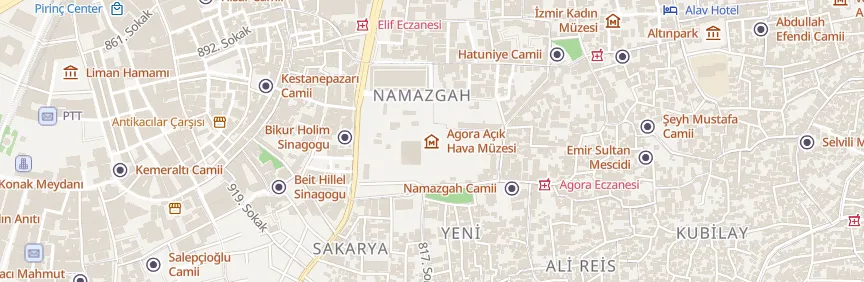
- Getting there: Namazgâh district, east of Kemeraltı.
- Admission: For current prices and MüzeKart validity, see the official website.
- Opening hours: daily 08:30–17:30; ticket office closes at 17:00. Hours vary by season; check the official website for current times.
- Suggested time: 1–1.5 hours.
- Status: open.
Where
Inside this place
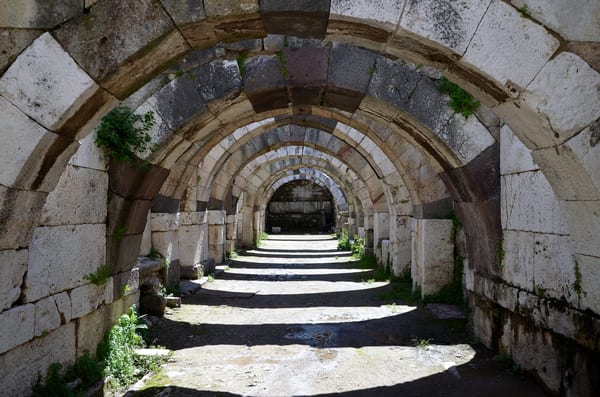 North Stoa and its basement
 Basilica graffiti
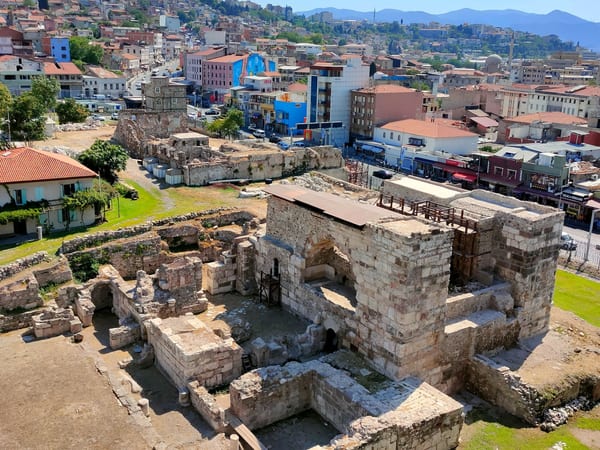 Roman Baths
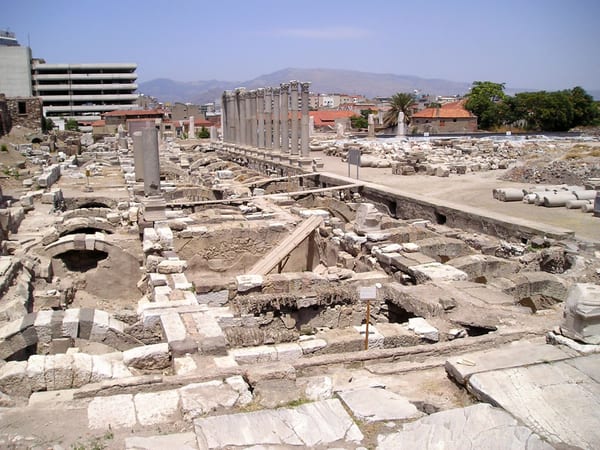 Bouleuterion
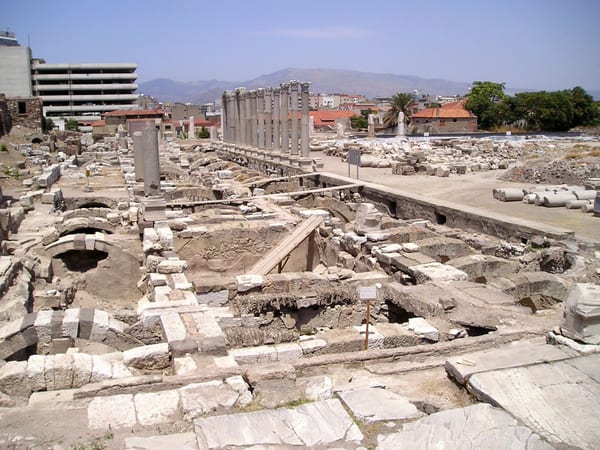 Mosaic Building
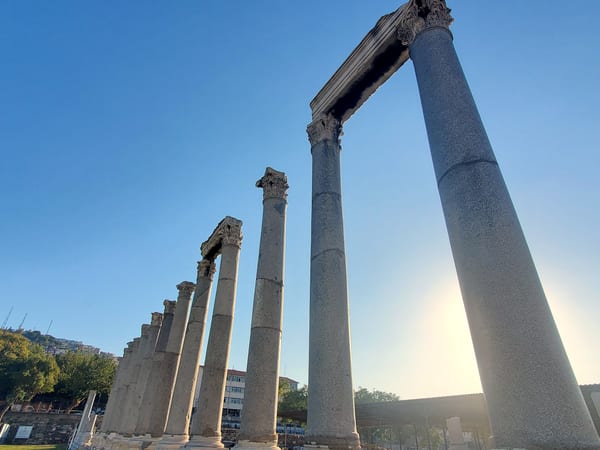 West Stoa
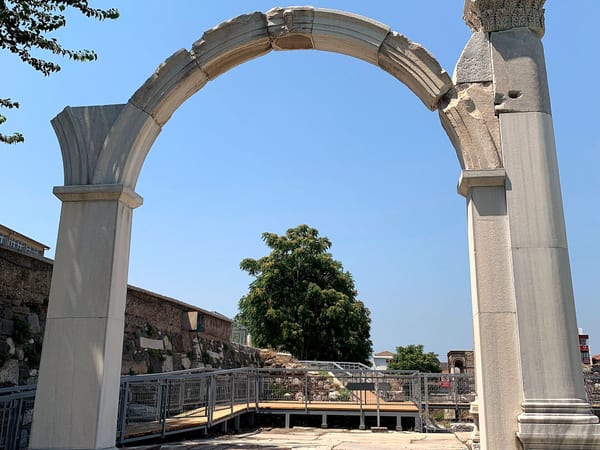 Faustina Gate
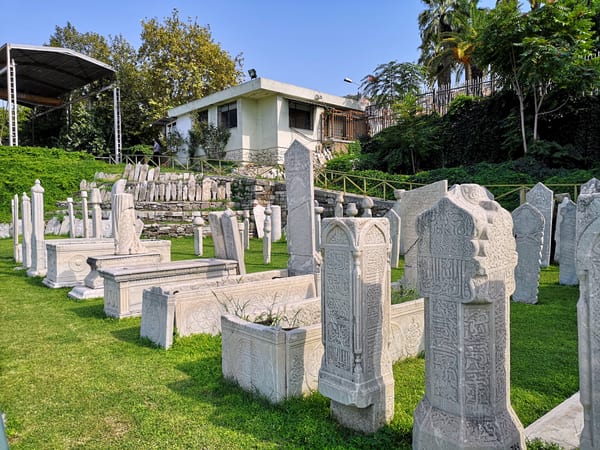 Ottoman cemetery
Nearby places
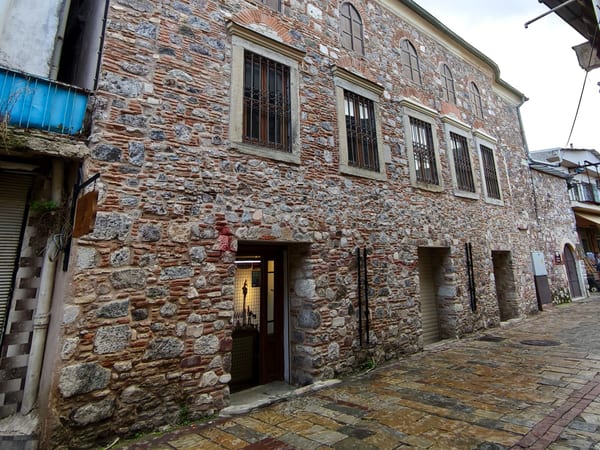 Havra Street and Synagogues
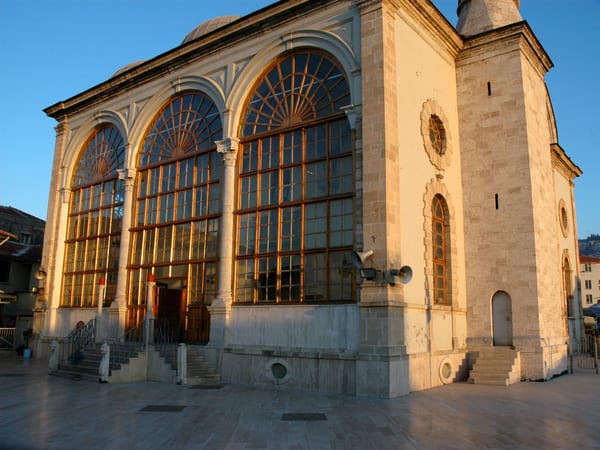 Kestanepazarı Mosque
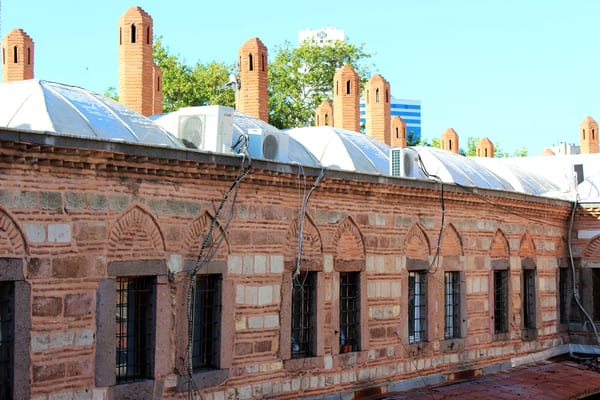 Abacıoğlu Hanı
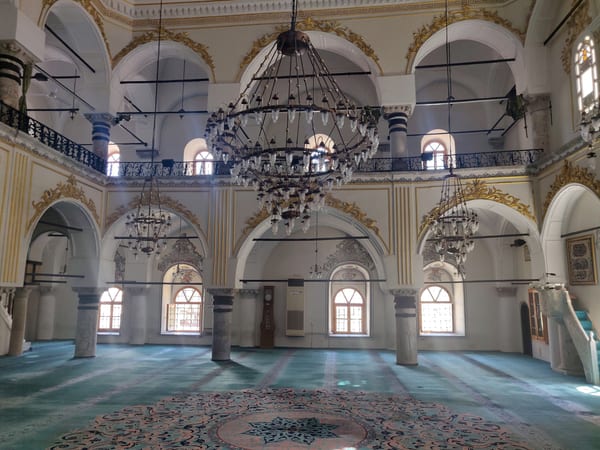 Şadırvanaltı Mosque

Routes that include this place
Listen as you walk
Guide & Travel starts the story by itself when you reach the place, and it works offline too.
Photos (13)
- North Stoa and its basement — Photo: Carole Raddato from FRANKFURT, Germany · CC BY-SA 2.0 · Wikimedia Commons (colour corrected)
- Basilica graffiti — Photo: Dudva · CC BY-SA 4.0 · Wikimedia Commons (colour corrected)
- Roman Baths — Photo: Msee35 · CC BY-SA 4.0 · Wikimedia Commons (cropped)
- Bouleuterion — Photo: CenkX · CC BY-SA 3.0 · Wikimedia Commons (colour corrected)
- Mosaic Building — Photo: CenkX · CC BY-SA 3.0 · Wikimedia Commons (colour corrected)
- West Stoa — Photo: Rəcəb Yaxşı · CC BY-SA 4.0 · Wikimedia Commons (colour corrected)
- Faustina Gate — Photo: Robot8A · CC BY-SA 4.0 · Wikimedia Commons (cropped)
- Ottoman cemetery — Photo: Gargarapalvin · CC BY-SA 4.0 · Wikimedia Commons (colour corrected)
- Havra Street and Synagogues — Photo: Ozlmktv · CC BY-SA 4.0 · Wikimedia Commons (cropped)
- Kestanepazarı Mosque — Photo: Dosseman · CC BY-SA 4.0 · Wikimedia Commons (edited)
- Abacıoğlu Hanı — Photo: Brfnztvl · CC BY-SA 4.0 · Wikimedia Commons (colour corrected)
- Şadırvanaltı Mosque — Photo: Pabernosmatao · CC0 · Wikimedia Commons (colour corrected)
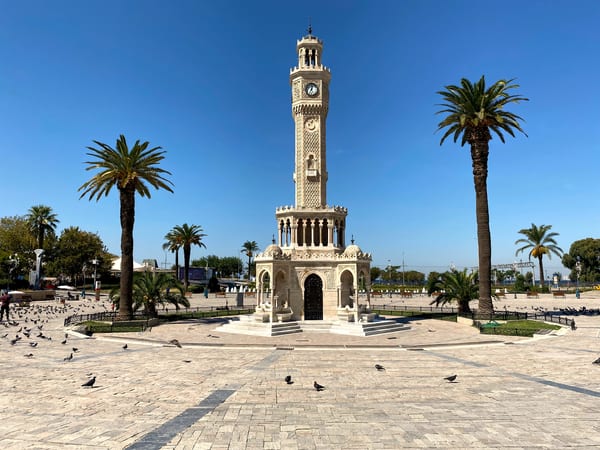
- İzmir Clock Tower — Photo: Cezmi3555 · Pexels License · Pexels (colour corrected)


