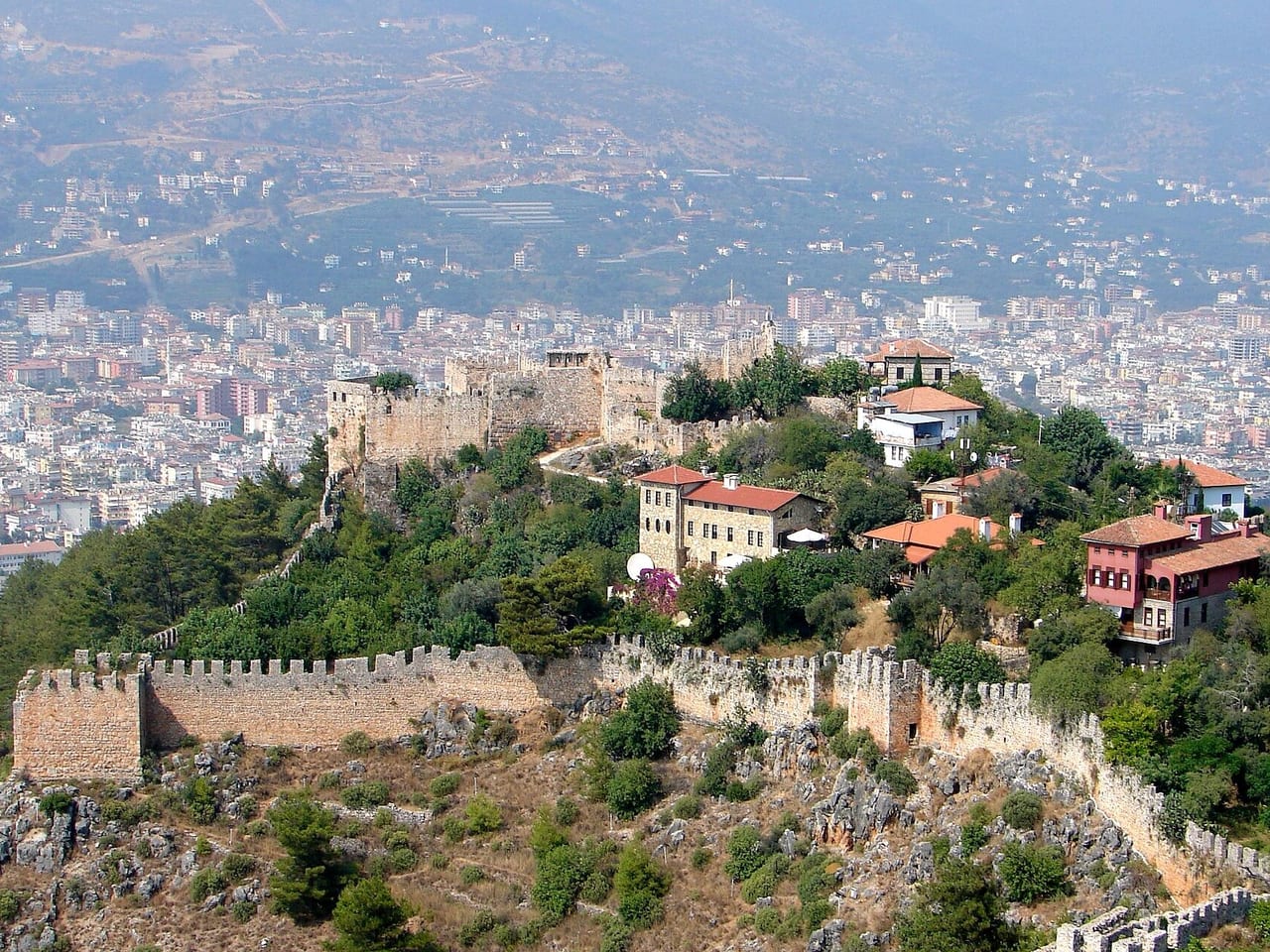
Inner Castle
The castle's last refuge, on the highest ground at the peninsula's western corner: nine bastions, great cisterns, barracks, and an open-air museum of Byzantine, Seljuk, and Ottoman works.
The castle's last refuge
The Inner Castle occupies the highest ground at the peninsula's western corner; it was the castle's administrative and military center, its last refuge and final line of defense. Holding Byzantine, Seljuk, and Ottoman works together, the area is an open-air museum today. Because of its great cisterns, it is also known as the Cistern Castle (Sarnıç Kalesi); at its center are two Seljuk cisterns of brick. It may have been completed in 1231.
Gates, bastions, barracks
Its gate opens through a bastion on the northeast and is reached by stairs; the gate's inscription has been lost. A second, ruined gate lies to the southeast. Nine bastions are counted around it, and water pipes can be seen in the walls. Barracks and dungeons are here too. Broken inscriptions were reused in the walls. The area opens onto a wide view. The Seljuk Palace, the Inner Castle Church, and Adam Atacağı are covered in their own stops.
Where
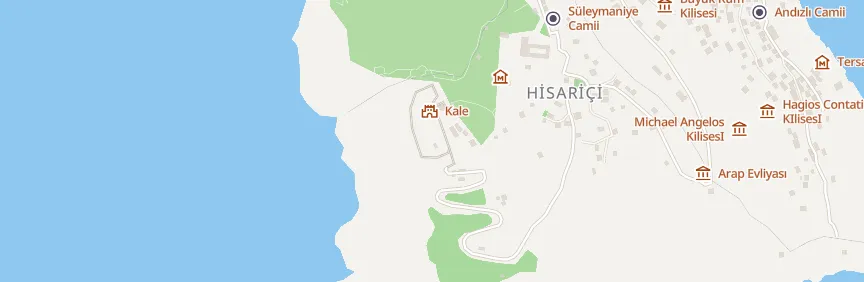
Nearby places
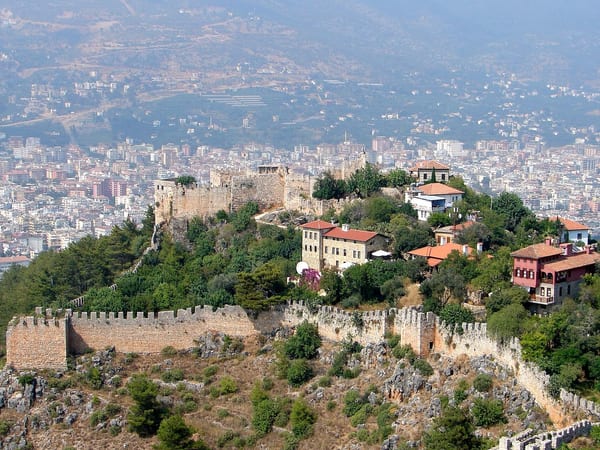 Seljuk Palace

Listen as you walk
Guide & Travel starts the story by itself when you reach the place, and it works offline too.
Photos (4)
- Seljuk Palace — Photo: Luke_33 · CC BY 2.5 pl · Wikimedia Commons (cropped)
- Inner Castle Church — Photo: Luke_33 · CC BY 2.5 pl · Wikimedia Commons (cropped)
- Adam Atacağı — Photo: Luke_33 · CC BY 2.5 pl · Wikimedia Commons (cropped)
- Akşebe Sultan Masjid and Tomb — Photo: Luke_33 · CC BY 2.5 pl · Wikimedia Commons (cropped)