Mustafapaşa
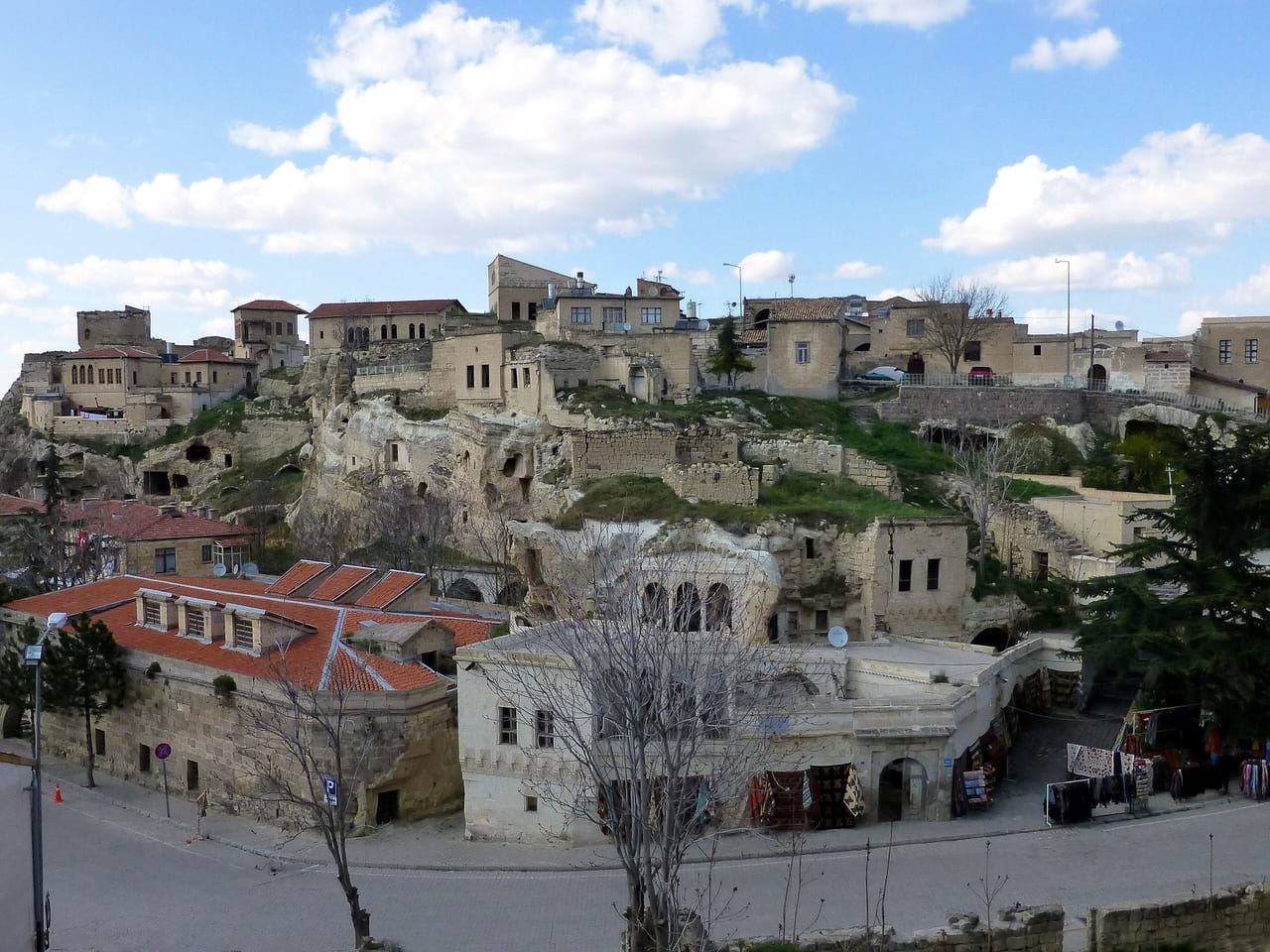
A stone town once called Sinasos: mansions built by Greeks who made their fortunes in Istanbul, a church inscription that tells its own age, and a carved madrasa door.
Sinasos
Sinasos is the old name of Mustafapaşa. Until the early 20th century, Orthodox Greeks and Muslims lived here side by side; in the 19th century, most of the population was Greek. In the second half of that century, many people from the town went to work in neighboring cities, above all Istanbul; those who set up their own businesses and made fortunes built grand mansions back home. With the Turkish–Greek population exchange of the 1920s, the town's Greek population moved to Greece.
Stone houses and painted walls
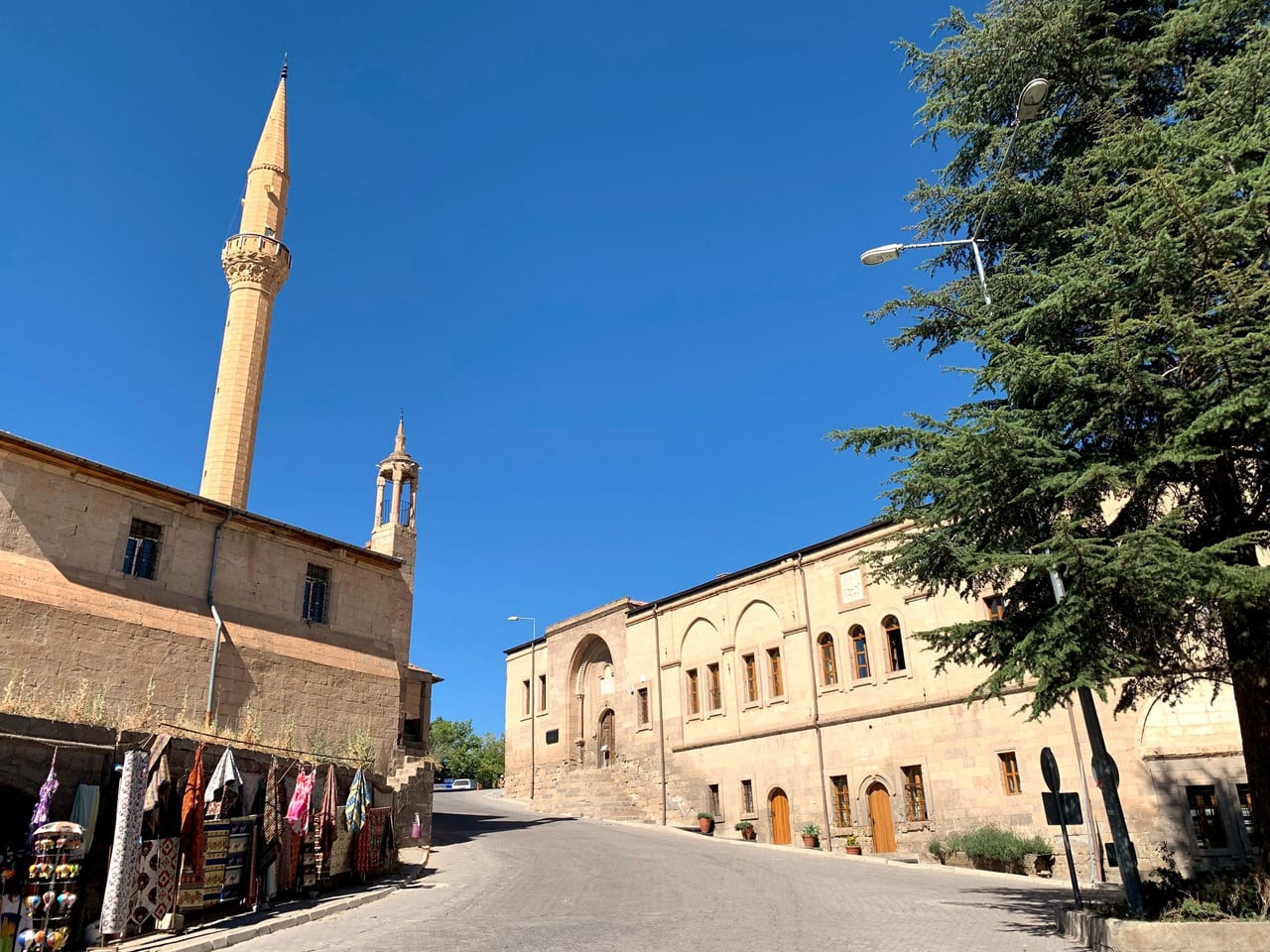
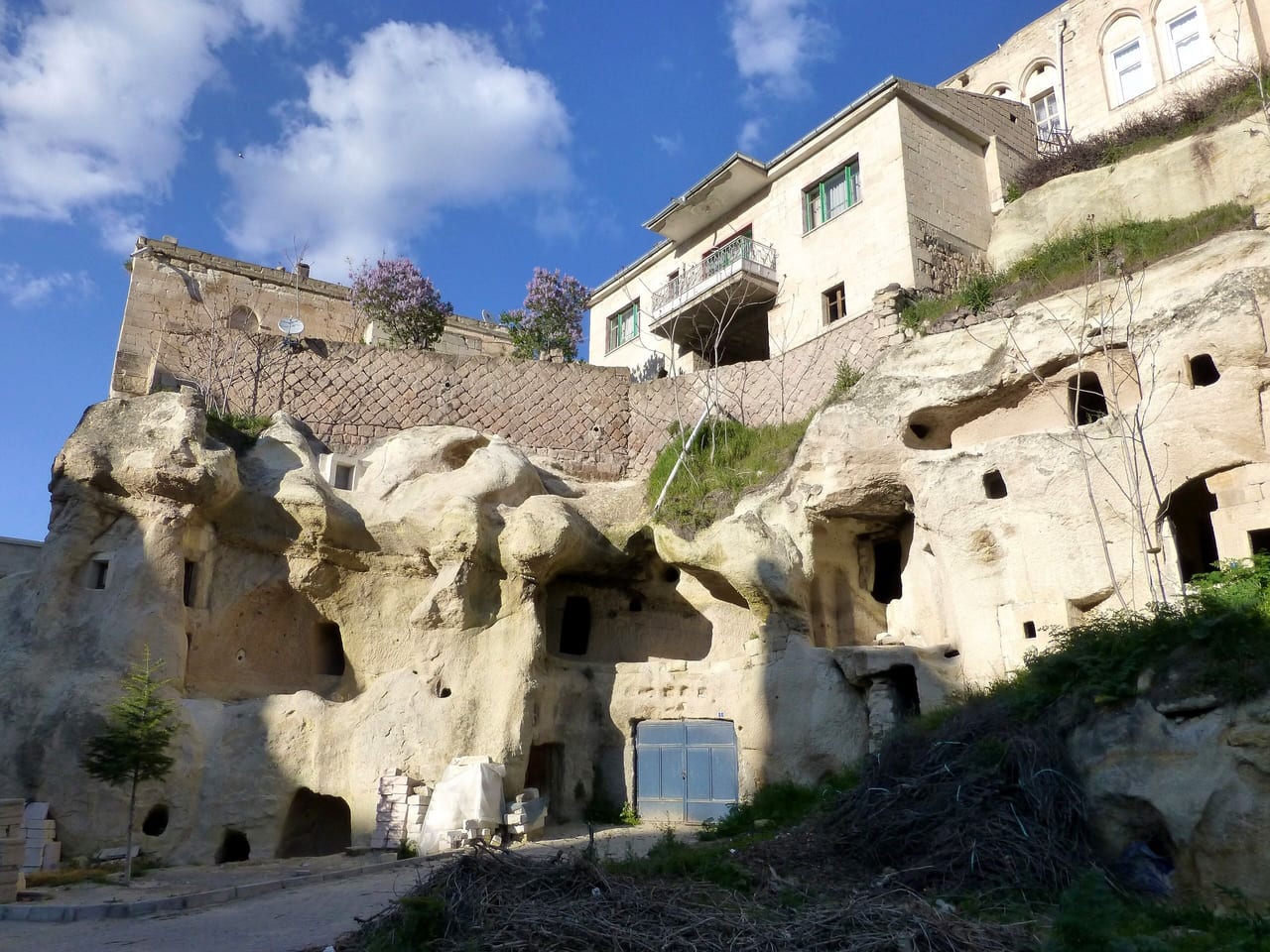
The town's houses are fine examples of stonework from the late 19th and early 20th centuries. According to researchers, some of the mansions have paintings on their walls, and most of these carry a painter's signature. The same research notes that their subjects differ from examples elsewhere in the Ottoman Empire. The madrasa built by Mehmet Şakir Pasha in the Ottoman period also stands out for its monumental stone gateway, its stonework, and its carved wooden door.
Churches
According to documents collected after the population exchange, there were 30 churches in the town and nearly 30 more nearby. The two churches that stand out are the Church of Constantine and Helena (Konstantin-Eleni) and the Church of St. Basil (Aziz Vasilios). Dedicated to the Roman emperor Constantine and his mother Helena, the first church has an inscription at its entrance written, unusually, in the church's own voice: according to it, the church was built in 1729 and repaired in 1850. According to research, permission for the repair was granted by an imperial decree dated 1849.
Gömede Valley
Gömede Valley, west of the town, is seen as a smaller version of Ihlara Valley in its landforms. As in Ihlara, it has rock-cut churches, shelters, and a stream running the length of the valley.
Practical information
- Getting there: About 5–6 km south of Ürgüp.
- Opening hours: The village is an open area; visiting hours of the churches and the madrasa may vary.
- Suggested time: 1–2 hours; half a day with a walk in Gömede Valley.
- Status: open.
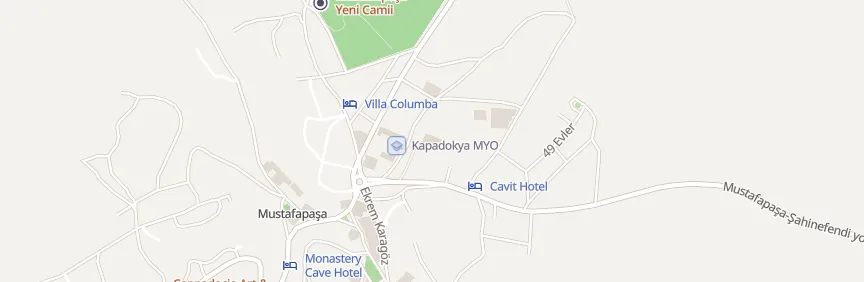
Where
Nearby places
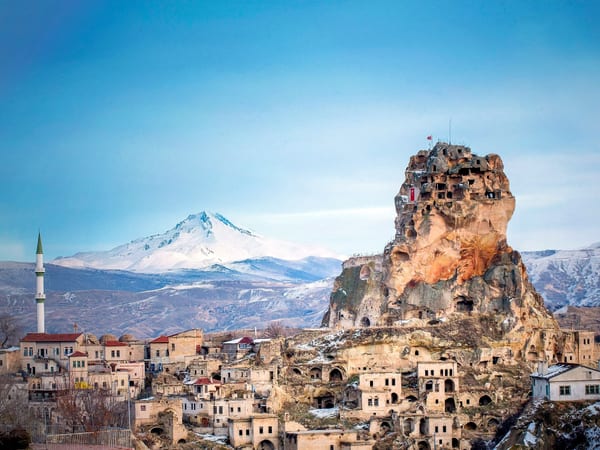 Ortahisar Castle
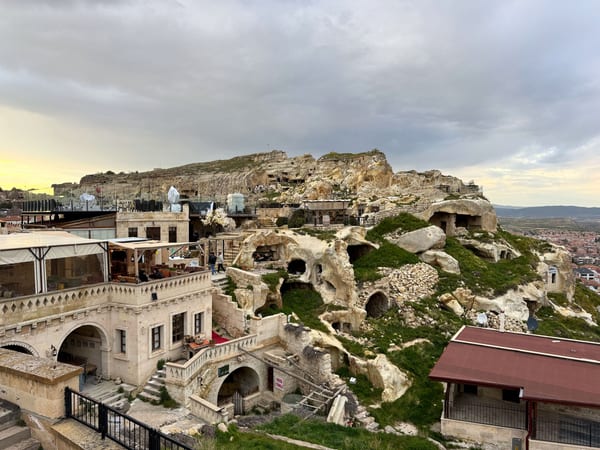 Ürgüp Town Center
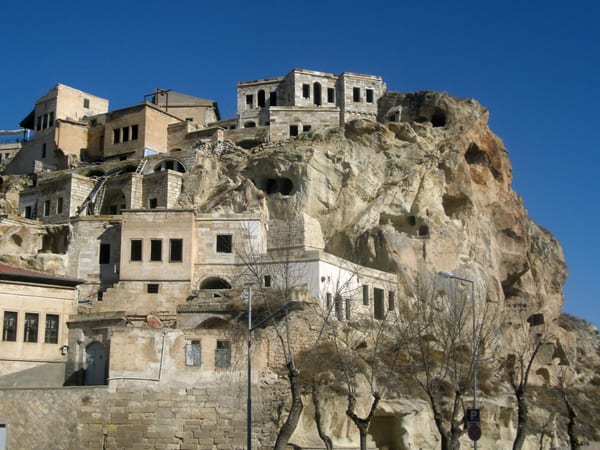 Temenni Hill
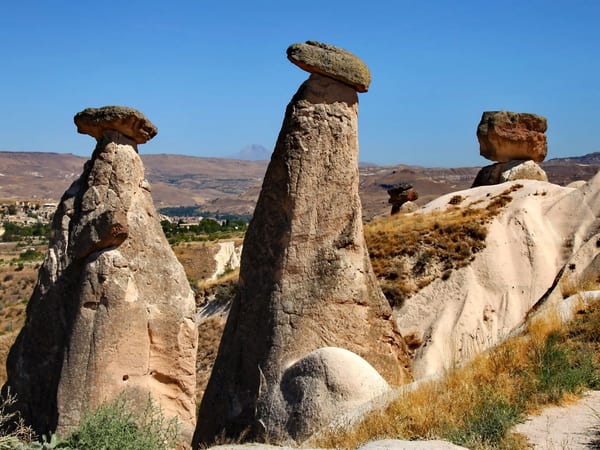 Three Beauties

Routes that include this place
Listen as you walk
Guide & Travel starts the story by itself when you reach the place, and it works offline too.
Photos (5)
- Ortahisar Castle — Photo: Theugursevinc · CC BY-SA 4.0 · Wikimedia Commons (cropped)
- Ürgüp Town Center — Photo: Codas · CC BY-SA 4.0 · Wikimedia Commons (colour corrected)
- Temenni Hill — Photo: Buzancar · CC BY-SA 4.0 · Wikimedia Commons (cropped)
- Three Beauties — Photo: Linda M Caldwell · CC BY-SA 4.0 · Wikimedia Commons (cropped)
- Sobesos Ancient City — Photo: Robot8A · CC BY-SA 4.0 · Wikimedia Commons (colour corrected)


