Erythrai Ancient City
One of the leading cities of the Ionian League, at the village of Ildırı near Çeşme: the Temple of Athena and the theater on the acropolis, and Roman villas with mosaics at the village entrance.
Beneath this quiet village lies a wealthy port city that, in the 5th century BC, paid as much as 7 talents a year to the Athenian-led naval league.Listen to the rest in the app
A city made rich by the sea
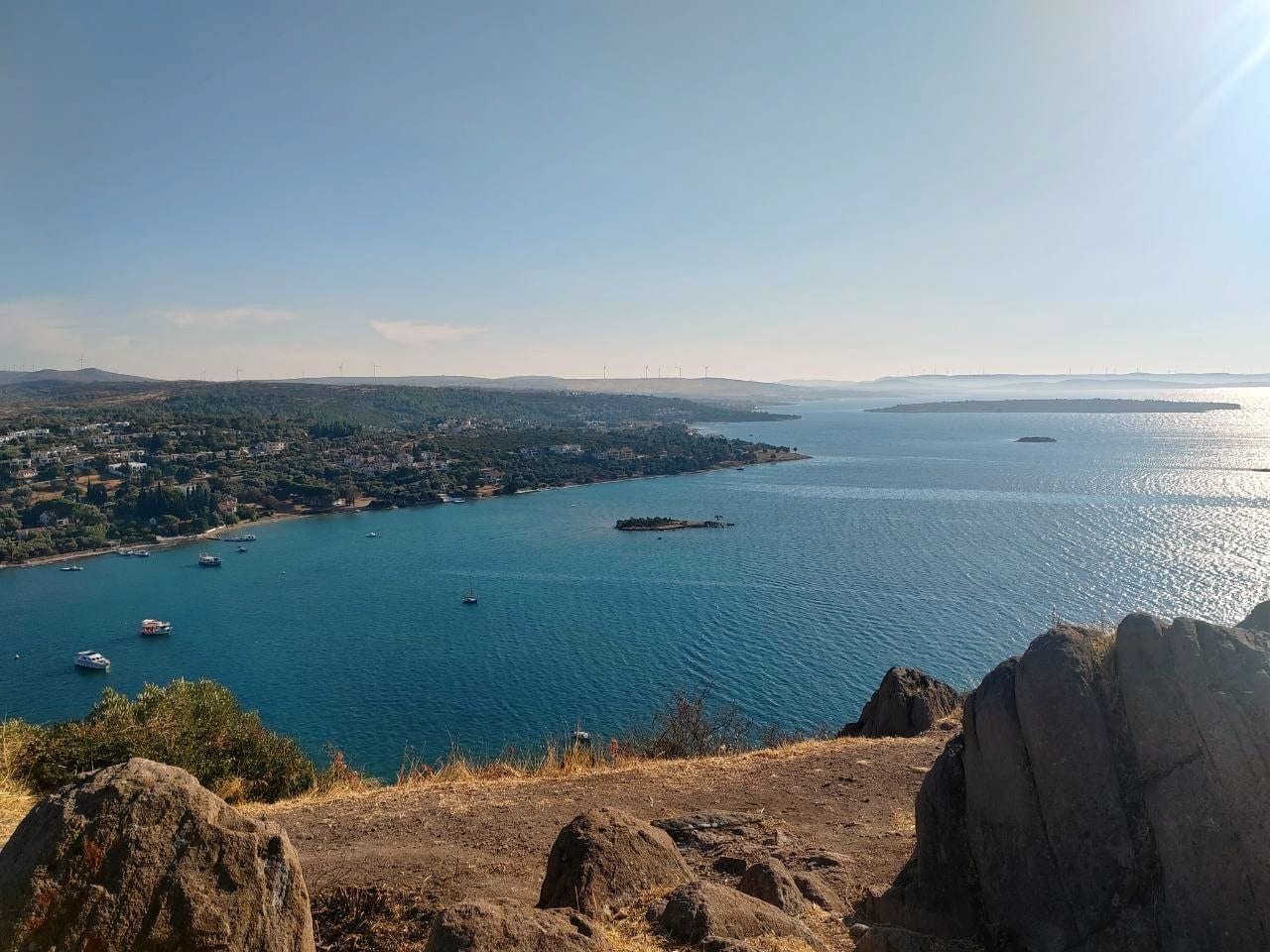
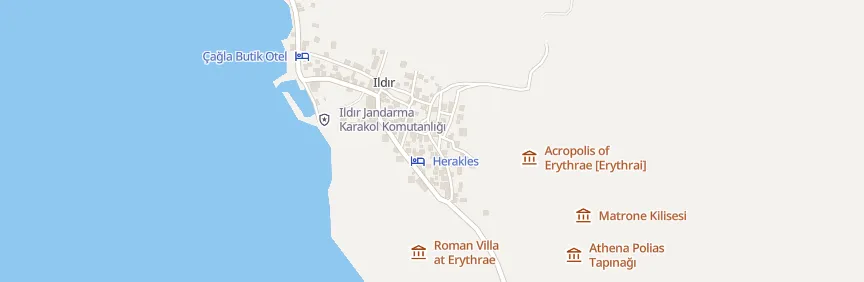
Erythrai lies in and around the village of Ildırı, about 20 kilometers north of Çeşme. Its name may come from the Greek word erythros, "red," in keeping with the color of its soil. Settlement here goes back to the Early Bronze Age. The city was a leading member of the Panionion, the league of 12 Ionian cities; in the 5th century BC it joined the Delian League as a port city and paid a contribution as high as 7 talents. Ancient tradition also links the seer Herophile, known as the Sibyl, with this city.
Acropolis and walls
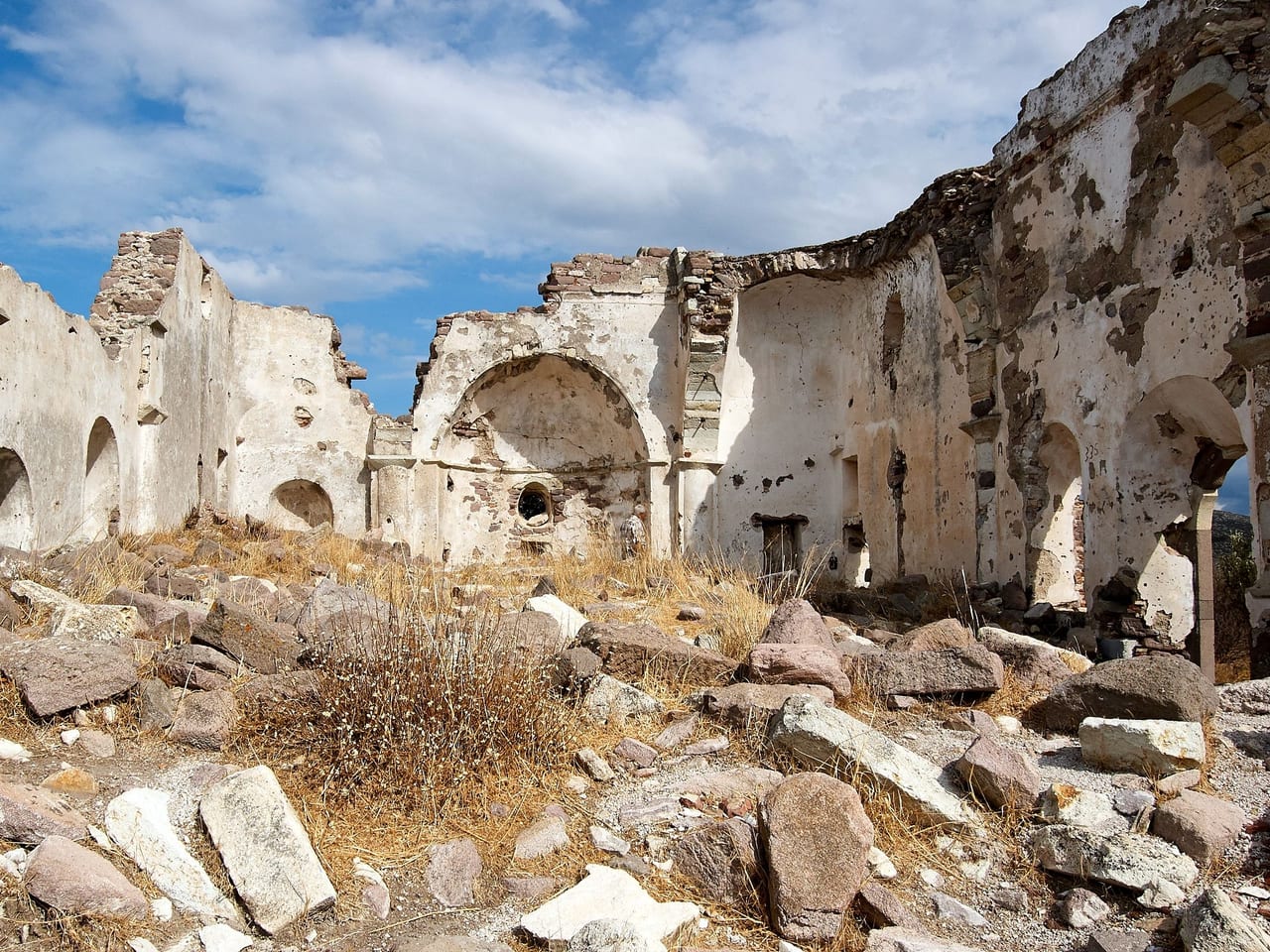
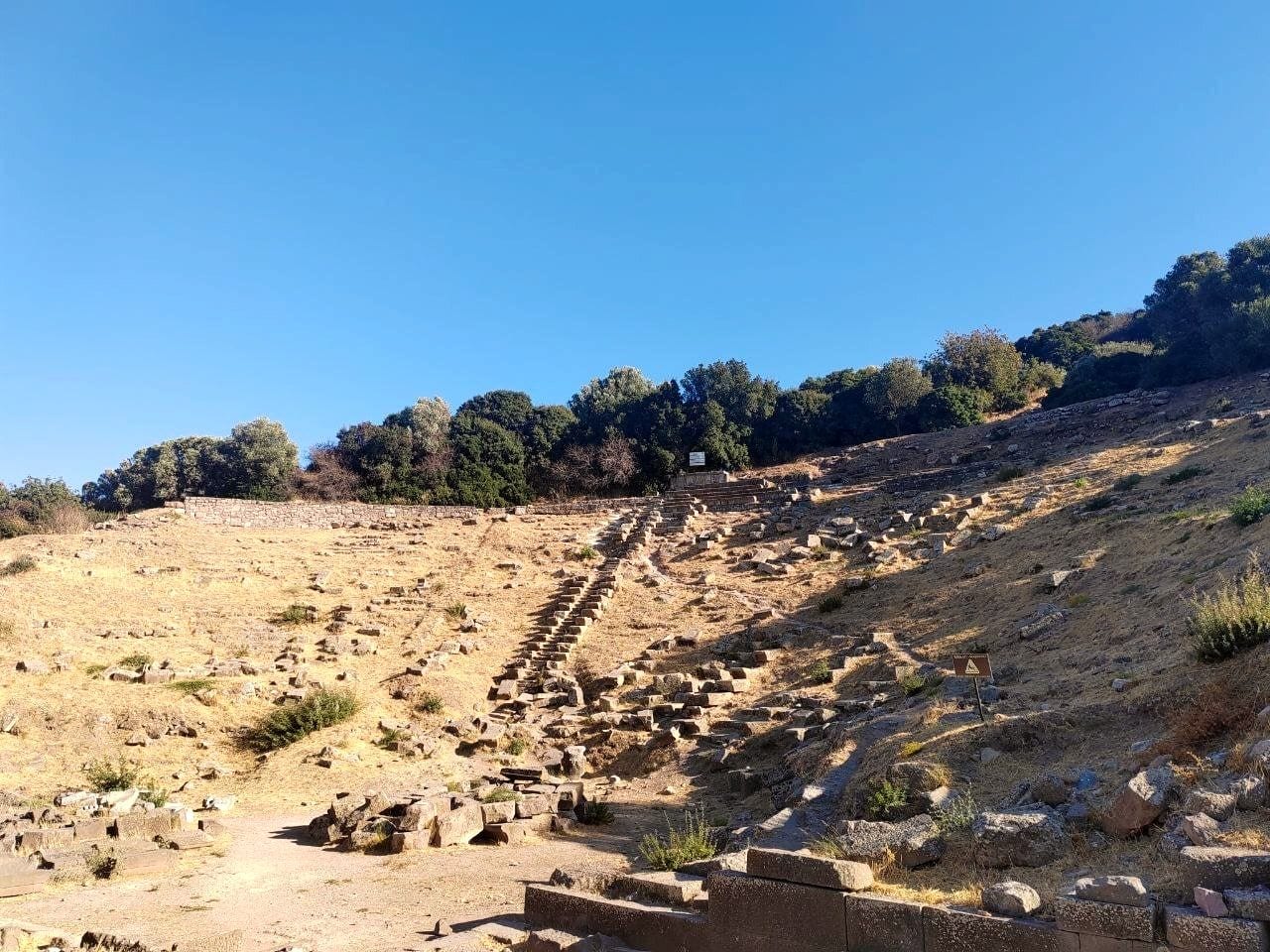
On the highest terrace of the acropolis, the remains of a Temple of Athena were found, dated by its polygonal masonry to the second half of the 8th century BC; its rich finds are now in İzmir's archaeological museums. In the theater on the north slope of the acropolis, traces of seating with two horizontal walkways survive, while only the foundations of the stage building remain. The Church of Matrona on the acropolis still largely stands. The city was ringed by a wall about 5 kilometers long, mostly Hellenistic; its earliest parts go back to the 4th century BC, and some stretches still rise up to 5 meters along the Ildırı–Barbaros road. The Hellenistic and Roman harbor lay along about 2.5 kilometers of shore later silted up by the Aleon stream.
Excavations and the village
Ankara University's first excavations were led by Ekrem Akurgal from 1964 to 1982; a second phase began in 2007. Cennettepe, at the village entrance, was inhabited from the 3rd century BC through the Roman, Byzantine and Ottoman periods and as late as 1927; Roman villas with mosaic floors were uncovered here. The excavations also show that the city took part in sea trade reaching back to the 8th century BC through Phoenician merchants.
Practical information
- Getting there: about 20 km north of Çeşme, in the village of Ildırı; about 60 km from İzmir.
- Admission: Erythrai is not officially listed as a ticketed site; check official sources before you go.
- Suggested time: 1.5–2 hours.
- Status: open (open areas in and around the village).
Where
Nearby places
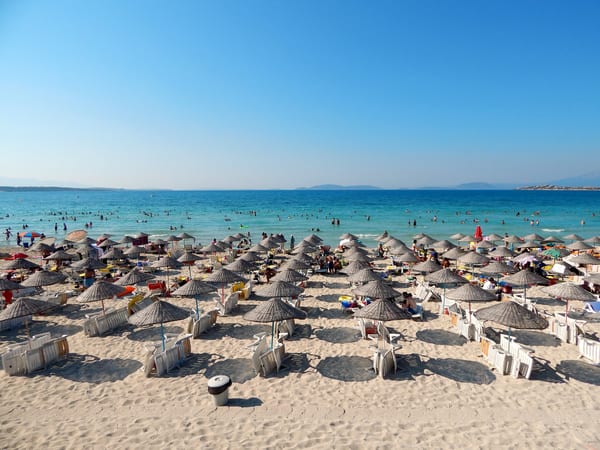 Ilıca Beach
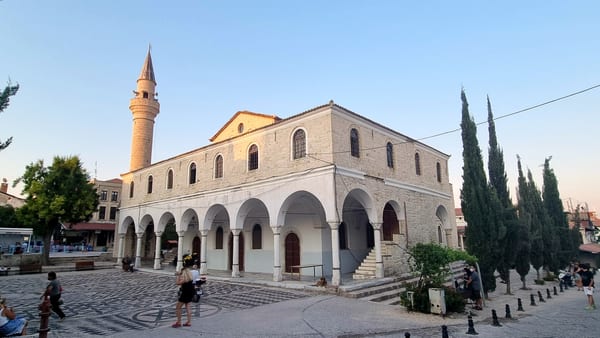 Alaçatı
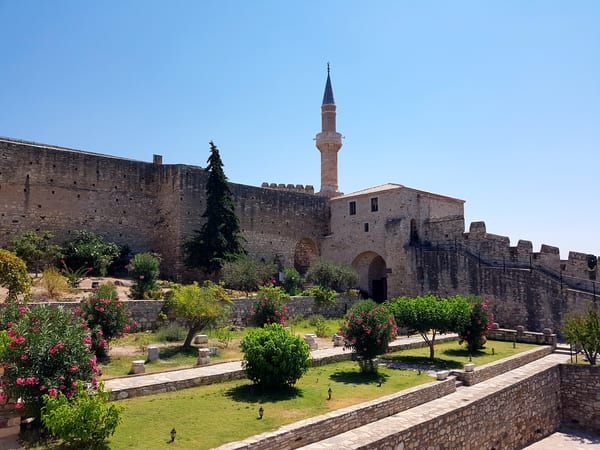 Çeşme Castle and Museum
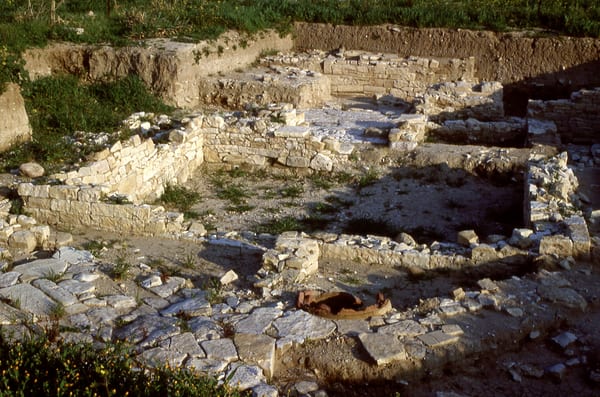 Klazomenai Archaeological Site

Listen as you walk
Guide & Travel starts the story by itself when you reach the place, and it works offline too.
Photos (4)
- Ilıca Beach — Photo: Sinan Şahin · CC BY 3.0 · Wikimedia Commons (colour corrected)
- Alaçatı — Photo: Eudessa · CC BY-SA 4.0 · Wikimedia Commons (colour corrected)
- Çeşme Castle and Museum — Photo: Justinianus · CC BY-SA 4.0 · Wikimedia Commons (colour corrected)
- Klazomenai Archaeological Site — Photo: Mark Landon · CC BY 4.0 · Wikimedia Commons (colour corrected)


