Rumeli Fortress
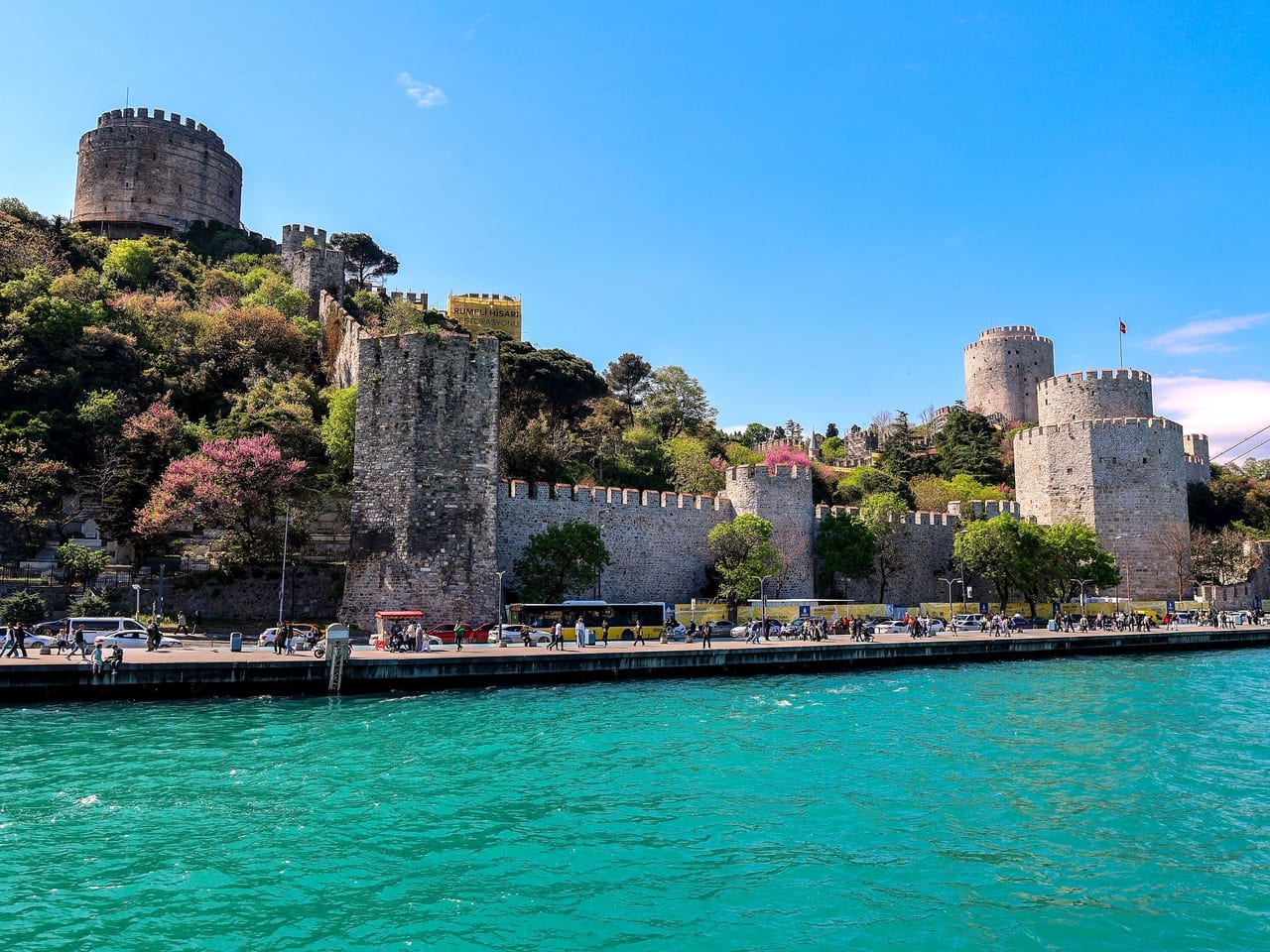
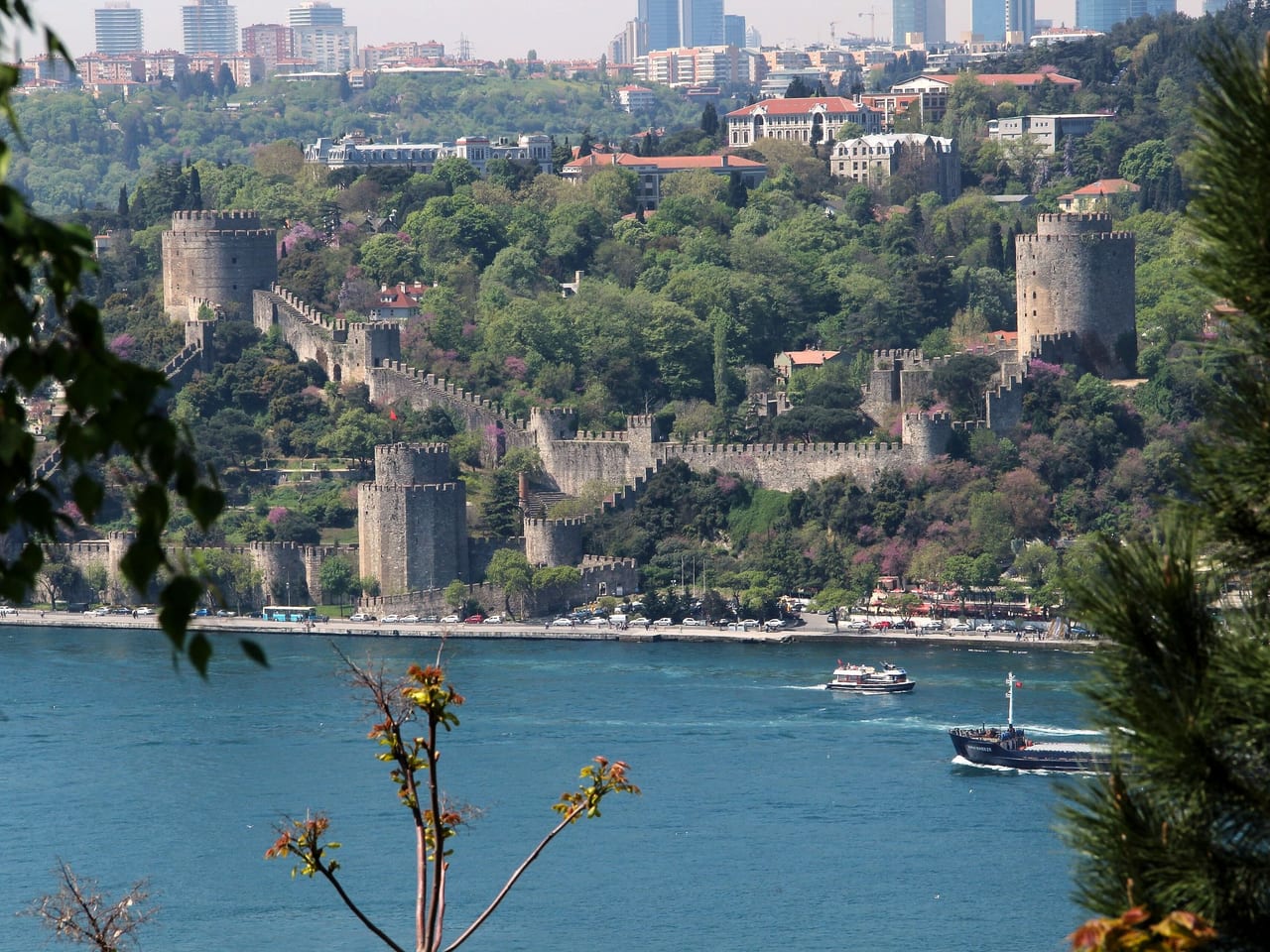
The fortress Mehmed II built in a few months in 1452 at the narrowest point of the Bosphorus: its three great towers, named after his pashas, face Anadolu Hisarı across the water.
Spring, in the year 1452. On this hillside above the Bosphorus, on its European side, more than a thousand craftsmen and workers are hauling stone and raising walls.Listen to the rest in the app
At the narrowest point of the Bosphorus
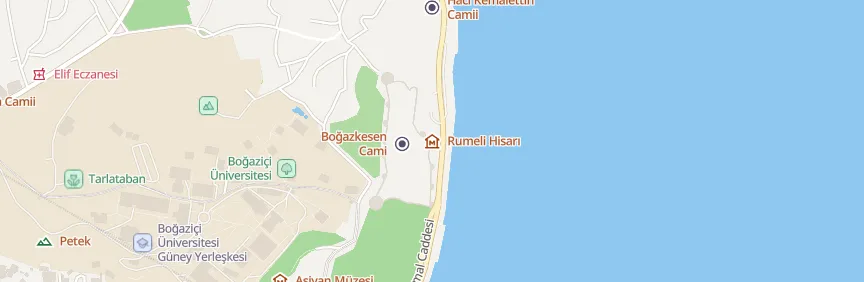
Rumeli Hisarı (Rumeli Fortress) stands on the European shore of the Bosphorus in the Sarıyer district. Mehmed II (Fatih Sultan Mehmed) had it built in 1452, a year before he took the city, at the narrowest stretch of the strait, opposite Anadolu Hisarı, which his great-grandfather Bayezid I had built. Its purpose was to control ships coming from the Black Sea to the city and to cut off aid. Construction took only four or five months and ended in late summer 1452. It was also known as Boğazkesen Hisarı, "the fortress that cuts the strait," and as Yenice Hisar.
Three pashas, three towers
The walls climb from the shore up the hillside and enclose the valley between two hills. Each section of the work was placed under a pasha, and the three great towers still bear their names. The Saruca Pasha Tower on the hilltop is the tallest, at about 28 meters; the tower on the shore belongs to Halil Pasha, and the southern one to Zağanos Pasha. An inscription in Arabic above the door of the Zağanos Pasha Tower records that the building was completed in the summer of 1452. Many marble pieces taken from earlier Byzantine buildings on the site can be seen in the walls.
From prison to open-air stage
After the conquest the fortress lost its military importance and served for a time as a state prison. It was damaged in the earthquake of 1509 and repaired under Selim III. Over time a neighborhood of wooden houses filled the space inside the walls. In the major restoration that began in 1953 for the 500th anniversary of the conquest, the houses were removed; three women architects led the work. The old pointed roofs of the towers were not rebuilt. Of the mosque inside, only its foundations and the stump of its minaret survive. An open-air stage built in the grounds hosted summer concerts for many years; today the fortress is visited as a museum.
Practical information
- Getting there: To Rumelihisarı by bus along the shore road from Beşiktaş and Kabataş; Bosphorus tour boats pass in front of the fortress.
- Visiting: Museum; for opening hours, closing days, tickets, and which sections of the walls are open for walking, check the official website before you go.
- Suggested time: 1–1.5 hours.
Where
Nearby places
 Ortaköy Mosque
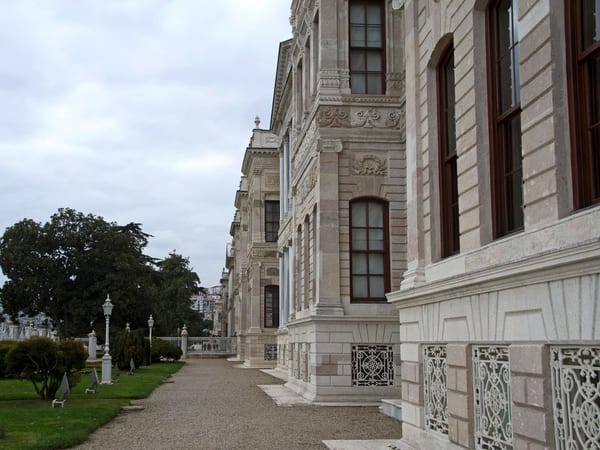 Crown Prince's Suite (Painting Museum)
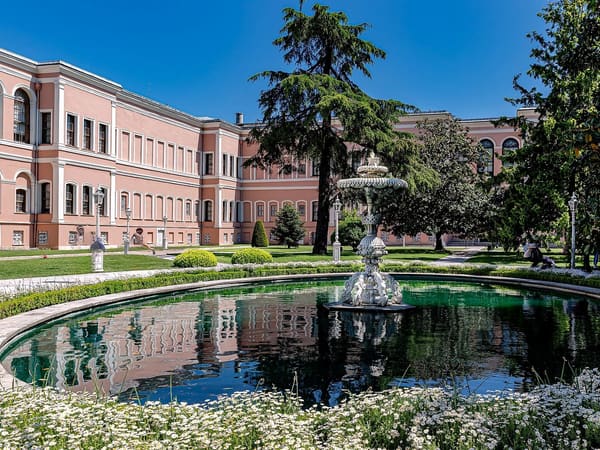 Harem (Blue Hall, Pink Hall, and Atatürk's Room)
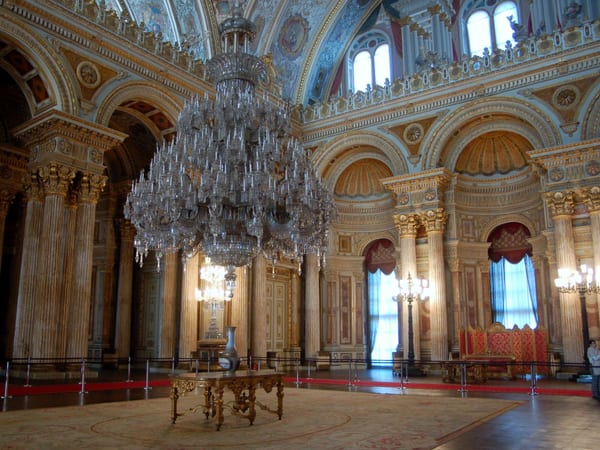 Ceremonial Hall

Listen as you walk
Guide & Travel starts the story by itself when you reach the place, and it works offline too.
Photos (4)
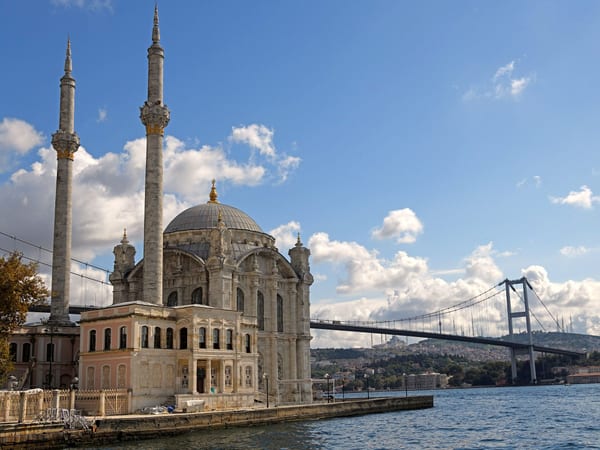
- Ortaköy Mosque — Photo: Dosseman · CC BY-SA 4.0 · Wikimedia Commons (cropped)
- Crown Prince's Suite (Painting Museum) — Photo: Dosseman · CC BY-SA 4.0 · Wikimedia Commons (edited)
- Harem (Blue Hall, Pink Hall, and Atatürk's Room) — Photo: Ninara · CC BY 2.0 · Wikimedia Commons (edited)
- Ceremonial Hall — Photo: Dan from Brussels, Europe · CC BY-SA 2.0 · Wikimedia Commons (cropped)


